

The RASolute 302 study of daraxonrasib was “the single biggest study presentation” at ASCO 2026, according to Sivraj Muralikrishnan, MD.
The RASolute 302 study of daraxonrasib was “the single biggest study presentation” at ASCO 2026, according to Sivraj Muralikrishnan, MD.
In an expert-led review of pivotal clinical trial data presented at the 2026 ASCO Annual Meeting, CancerNetwork® spoke with oncology experts in the renal cell carcinoma (RCC), Merkel cell carcinoma, and chronic myeloid leukemia (CML) spaces to break down key abstracts at the conference.
Karen Reckamp, MD, MS, analyzed the shifting funding models in academic oncology and the necessity of philanthropy to support clinical trial infrastructure.
Sarah Weiss, MD, highlights pivotal updates in uveal melanoma, intratumoral neoadjuvant therapy, and Merkel cell carcinoma from the 2026 ASCO Annual Meeting.

Catch up on major clinical trials reshaping treatment for brain metastases, Merkel cell carcinoma, cervical cancer, and head and neck cancer, all from ASCO 2026.
Timothy F. Cloughesy, MD, spoke with CancerNetwork after presenting data from the INDIGO trial, evaluating vorasidenib in IDH1/2-mutant glioma.

Results from cohort C of the TRASTS study showed trabectedin/radiotherapy had positive response rates for patients with resectable retroperitoneal L-sarcomas.
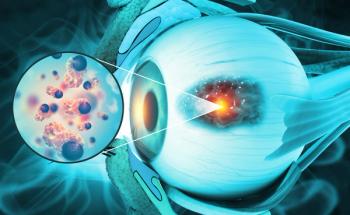
Findings from the OptimUM-02 trial may support a new potential therapeutic standard for patients with HLA-A*02:01–negative metastatic uveal melanoma.

The role of adjuvant immunotherapy remains unclear in this NSCLC population following data from the phase 3 ALCHEMIST trial.

Final analysis of KEYNOTE-522 confirms pembrolizumab plus chemotherapy improves event-free and overall survival in high-risk early-stage TNBC.

Cost-utility analysis of the CHALLENGE trial showed structured exercise following adjuvant chemotherapy for colon cancer is cost-saving and improves QALYs.
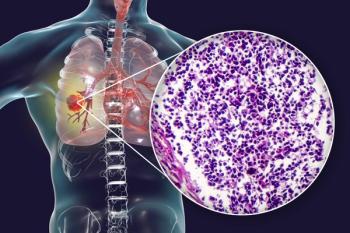
Seven-year data from the CROWN study show improved PFS with lorlatinib over crizotinib among patients with ALK-positive non–small cell lung cancer.

Neoadjuvant ipilimumab plus nivolumab and relatlimab achieved a major pathologic response in 73.7% of patients with resectable stage III/IV melanoma.
Data from the KEYNOTE-942 trial confirmed a durable benefit with intismeran plus pembrolizumab among patients with high-risk melanoma.
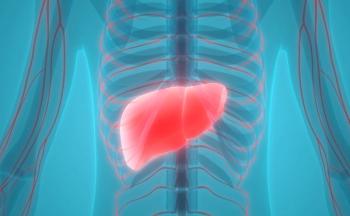
Data from the EMERALD-3 trial may position the STRIDE regimen with or without lenvatinib as a compelling therapeutic option in this HCC population.

In 897 patients with advanced melanoma treated with ICI, conditional 5-year PFS rose from 29% at baseline to 91% for those progression-free at 4 years.
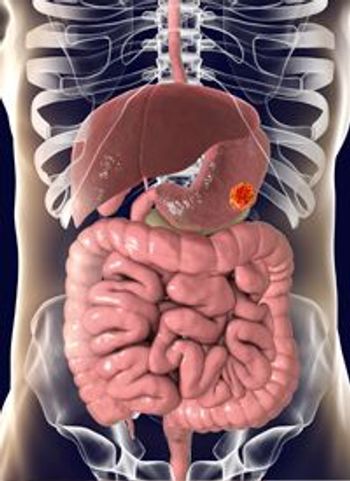
Data from the phase 3 CIRCULATE trial may justify ctDNA-guided treatment escalation strategies in pMMR stage II colon cancer.

A large real-world analysis found that concurrent GLP-1 receptor agonist use was linked to significantly improved long-term survival and lower rates of irAEs in patients receiving ICIs.

An OS of 32.9 months was noted with RP1 plus nivolumab for patients who had progressed on prior anti-PD-1 therapy with advanced melanoma.

Efficacy with carboplatin-based induction-concurrent chemotherapy was noninferior to cisplatin, representing a viable alternative for patients with LA-NPC.

Triple-oral metronomic chemotherapy plus nivolumab elicited a median OS of 10.32 months in this head and neck squamous cell carcinoma population.

Data from the phase 3 LIBRETTO-432 study may support adjuvant selpercatinib as a new standard of care in this NSCLC population.
The subcutaneous formulation of amivantamab may avoid infusion-related reactions reported with the agent’s intravenous form, said Joel W. Neal, MD, PhD.

A personalized neoantigen vaccine plus an anti-PD-1 was feasible, safe, and generated durable anti-tumor immune responses in newly diagnosed glioblastoma.

In the phase 3 PEAK trial, bezuclastinib plus sunitinib produced a median PFS of 16.5 months vs 9.2 months for sunitinib monotherapy in advanced GIST.

A deep learning analysis of tumor microenvironment features using QuantCRC and ctDNA improved prognostic discrimination in stage III colon cancer.
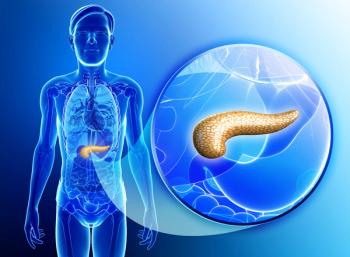
According to the study authors, 177Lu-edotreotide represents a valuable treatment option, offering superior efficacy and HRQOL vs everolimus in GEP-NETs.

Patients with breast cancer and macrometastases who omitted axillary lymph node dissection experienced noninferior survival compared with those who didn’t.

Data from the phase 1/1b CHRYSALIS-2 trial show enduring responses with amivantamab plus lazertinib in this EGFR-mutated NSCLC population.
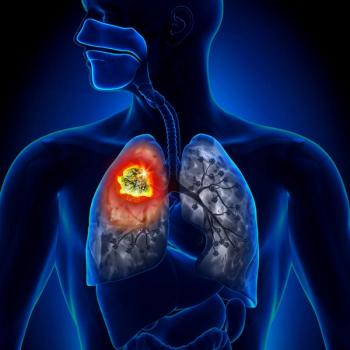
The objective response rate was significantly higher with sac-TMT plus pembrolizumab vs pembrolizumab alone in the phase 3 OptiTROP-Lung05 trial.