

Data show increasing use of proton therapy overall but widening gaps in populations who have access to this treatment, Curtiland Deville Jr, MD, says.
Data show increasing use of proton therapy overall but widening gaps in populations who have access to this treatment, Curtiland Deville Jr, MD, says.

Patients with ALK-positive NSCLC not vulnerable to neurological adverse effects or prone to weight issues, might benefit from treatment with lorlatinib.

A real-world analysis showed that 56 mg/m2 of carfilzomib once weekly offered many benefits over 56 mg/m2 twice weekly and 70 mg/m2 once weekly in myeloma.

A lack of guidelines, a loss of follow-up, and out-of-state procedures are all potential reasons for 26% of patients undergoing appendectomy.

Experts from Sibley Memorial Hospital discuss how multidisciplinary work has enhanced outcomes such as survival and resource use at their institution.

Time to deterioration in physical functioning and role functioning was similar among those receiving belzutifan vs everolimus for renal cell carcinoma.
Treatment with KRAS inhibitors may help mitigate a common driver of genetic alteration across a majority of pancreatic cancers.

Various methods of communication ensure that members from radiation oncology, pathology, and other departments are on the same page regarding treatment.

Postoperative complications and mortality after standard or postponed surgery for esophageal cancer after active surveillance were similar in both groups.
The staged approach to colectomy offers survival benefits, and it may help avoid unnecessary procedures that only require appendectomy.
Comprehensive prehabilitation may help prepare patients for bladder-preserving surgery, helping to optimize quality of life outcomes.
Updated results from the BREAKWATER study seemed to be most impactful to the CRC space, according to Michael J. Pishvaian, MD, PhD.
“We did not find any benefit for any of the subgroups in our paper and our study,” Muhammad Talha Waheed, MD, stated.

Results from the phase 3 DESTINY-Breast06 trial demonstrated that trastuzumab deruxtecan (T-DXd) monotherapy improved progression-free survival over chemotherapy in patients with breast cancer.
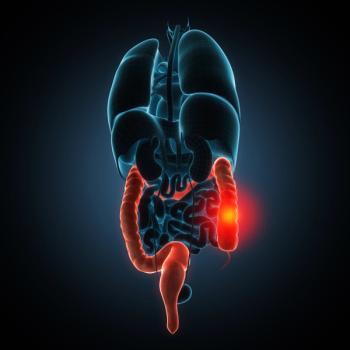
The prespecified number of events required to undergo analyses of the secondary end points, including PFS, OS, and DOR, have not been met.

All patients identified as low risk for sentinel lymph node positivity with the DecisionDx-Melanoma test had recurrence-free status after 3 years.
Ongoing research suggests environmental exposures and the role of microbiomes may influence bladder cancer development and response to treatment.
Adding HIPEC to CRS did not show any added benefit but has shown increased toxicities in patients with colorectal peritoneal metastasis.
Multidisciplinary care is important for all cancer care, specifically bone marrow transplant, stated Nina Wagner-Johnston, MD.

Most patients with cancer who took part in a telehealth group expressed that they liked the members of their group and felt less social isolation.

A futility analysis showed that ociperlimab was unlikely to reach the primary end point of overall survival as part of the phase 3 AdvanTIG-302 trial.
Providing easier access to ancillary services for patients with PDAC who live farther away from the treatment center may help them complete the treatment regimen.

Future research will aim to assess the efficacy of PIPAC-MMC plus systemic therapy vs systemic therapy alone in patients with peritoneal tumors.

Data from the phase 3 CheckMate 77T trial support the CHMP’s opinion on approving the perioperative nivolumab regimen for those with resectable NSCLC.
“Recognizing that we could follow immunotherapy with a bone marrow transplant safely was quite important,” Nina Wagner-Johnston, MD, stated.
Although small incision surgery may serve as a conduit to deliver PIPAC-MMC, it may confer benefits in the staging and treatment of peritoneal tumors.

The REMASTer trial found that laser interstitial thermal therapy was equivalent to open craniotomy regarding OS and PFS data in progressive metastatic brain tumors.

Muhammad Talwa Waheed, MD, found that resection after appendectomy should be prioritized in the treatment of patients with appendiceal cancer.

The phase 3 ROSELLA trial results assessing relacorilant/nab-paclitaxel in patients with platinum-resistant ovarian cancer will support an upcoming NDA.
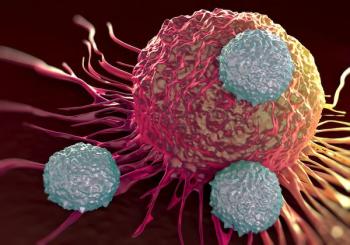
Data from the phase 3 CheckMate-67T trial support the CHMP’s recommendation for approving subcutaneous nivolumab across various solid tumor indications.