

Paolo Tarantino, MD, and Matteo Lambertini, MD, PhD discuss findings related to CDK4/6 inhibitors and antibody drug conjugates presented at SABCS 2024.
Paolo Tarantino, MD, and Matteo Lambertini, MD, PhD discuss findings related to CDK4/6 inhibitors and antibody drug conjugates presented at SABCS 2024.

The World Health Organization has approved emiltatug ledadotin as XMT-1660’s international nonproprietary name.

Phase 1b data support the potential benefits of R289 as a treatment for patients with lower-risk myelodysplastic syndrome.

All patients who received HT-001 in the phase 2a CLEER-001 trial showed significant skin toxicity improvements by 6 weeks.

The approved combination of enfortumab vedotin and pembrolizumab provides an alternative to chemotherapy for patients in China.

Leveraging novel agents, innovative clinical trial designs, and correlative studies may improve the treatment of patients with kidney cancer.

Efficacy findings reveal that the phase 3 ARES study evaluating MaaT013 met its primary end point of gastrointestinal overall response rate.
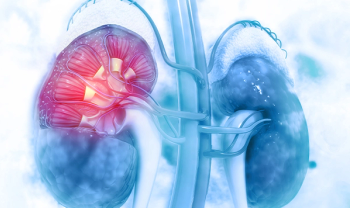
Safety data from the phase 2 LITESPARK-003 trial evaluating belzutifan/cabozantinib in renal cell carcinoma show no treatment-related deaths.

Elinzanetant met all primary and secondary end points when compared with placebo in patients with HR-positive breast cancer in the phase 3 OASIS-4 trial.
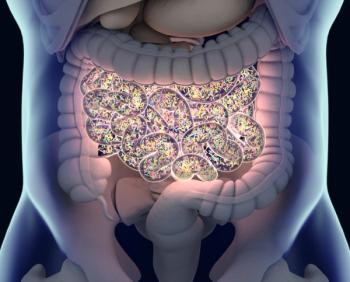
Phase 1 data support the fast track designation for invikafusp alfa in advanced colorectal cancer with high tumor mutational burden.

Sympathomimetic effects related to psilocybin may preclude use among patients with coronary artery disease or those with a high risk of stroke.
Psilocybin-assisted psychotherapy may be integrated into pre-existing behavioral health aspects of comprehensive cancer treatment.

The decision was supported by efficacy findings from the phase 1 ONKORAS-101 trial, which evaluated the therapy in KRASG12C non–small cell lung cancer.

Subcutaneous isatuximab yields noninferior results vs intravenous isatuximab when paired with pomalidomide and dexamethasone in the phase 3 IRAKLIA trial.
Psilocybin may help address a need for effective medication to aid those who have psychological challenges related to a serious cancer diagnosis.

The phase 3 NIVOPOSTOP GORTEC 2018-01 trial shows that nivolumab added to radiotherapy and cisplatin had improved efficacy over SOC treatments in SCCHN.

Efficacy findings from a phase 2 trial demonstrated that abenacianine visualized lung tumor tissue and was well tolerated when used during surgery.
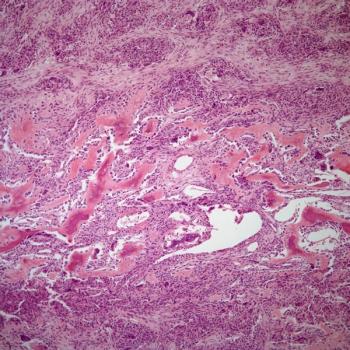
GSK5764227 yielded promising antitumor efficacy while showing no new safety signals in patients with relapsed/refractory osteosarcoma, the phase 2 ARTEMIS-002 trial found.

Investigators of a phase 2a trial plan to include additional combination arms assessing treatment with IMM-1-104 across different patient populations.

Results from the phase 3 MARIPOSA trial found that amivantamab plus lazertinib met the final pre-specified secondary end point of overall survival in NSCLC.
Data suggest a need for international preventive strategies and educational efforts regarding the increasing incidence of early-onset colorectal cancer.

According to the FDA, biopsies should be optional in clinical protocol when information will be used to evaluate only non-key secondary end points.
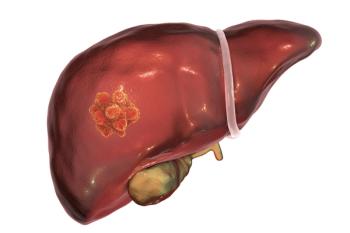
Data from a phase 1b/2 trial show improvements in overall survival with amezalpat plus atezolizumab/bevacizumab among patients with metastatic HCC.
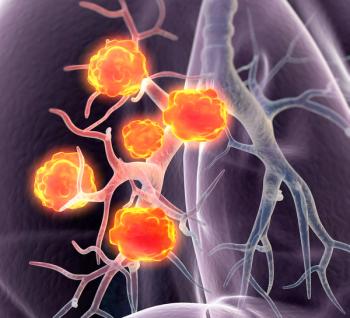
The WU-KONG1 trial found that sunvozertinib yielded a best ORR of 53.3% and a cORR of 44.9% in patients with NSCLC harboring EGFR exon20ins mutations.
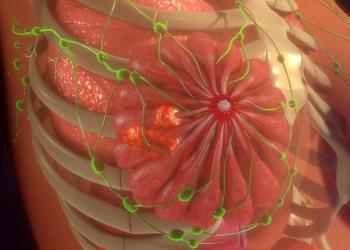
Phase 1 data may support further development of ZN-1041 combination therapies for a larger breast cancer population.
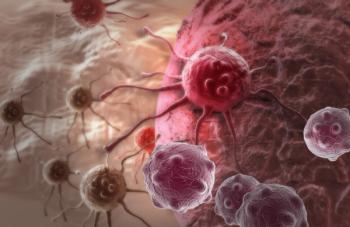
The CheckMate 067 trial found that, at a 10-year follow-up, nivolumab/ipilimumab elicited a median OS of 71.9 months in patients with previously untreated, advanced melanoma.

No dose-limiting toxicities were observed with upamostat combination therapy in patients with metastatic pancreatic cancer.

A study observed differences between expected and observed cancer incidence in 2020 and 2021 to evaluate the pandemic’s disruption of cancer detection.

Findings from the phase 3 SACHI trial support the National Medical Products Administration’s priority review designation for savolitinib/osimertinib.

Authors of an article published in ONCOLOGY® detail how a novel multidisciplinary lifestyle medicine clinic can meet the needs of cancer survivors.