
AI-based models must be trained on data derived from diverse patient populations to eliminate potential bias in the context of palliative care.
AI-based models must be trained on data derived from diverse patient populations to eliminate potential bias in the context of palliative care.

Sunil W. Dutta, MD, discussed why clinical follow-up remains an essential soft skill for radiation oncologists in an increasingly automated field.
Vanessa Almendro Navarro, PhD, MBA, outlined what she hopes to accomplish in her new role as chief commercialization officer at City of Hope.

A phase 2 trial will determine whether subcutaneous blinatumomab can offer benefit to a patient population with no other treatment options.
Findings presented at the 2026 Tandem Meetings showed that an accelerated immune constitution of donor-derived CD4-positive T cells was observed with TRX103.

According to Emese Zsiros, MD, PhD, FACOG, the pembrolizumab regimen yields favorable responses and survival in this PROC population.
Further follow-up is necessary to see if AZD0120 may be preferentially used as a treatment for patients with relapsed/refractory multiple myeloma.

Emese Zsiros, MD, PhD, FACOG, spoke about the newly approved pembrolizumab regimen in PD-L1–expressing, pretreated platinum-resistant gynecologic cancers.

J. Isabelle Choi, MD, discussed proton and photon therapy for locoregional recurrences, emphasizing advanced IMRT/VMAT techniques and CTV delineation.

Diane Simeone, MD, detailed how the PRECEDE Consortium utilizes standardized data sharing and high-risk screening to identify stage I pancreatic cancer.

In a presentation at the 2026 ACRO Summit, Pranshu Mohindra, MD, reviewed the treatment planning process for hypofractionated radiation in lung cancer.
Irtiza N. Sheikh, DO, hopes liso-cel accessibility increases in non-clinical trial settings and is considered for use earlier in the LBCL treatment course.
Diane Simeone, MD, highlights the necessity of a collaborative approach to pancreatic cancer screening, similar to trends across multiple disease states.

Sunil Dutta, MD, discusses integrating FAST-Forward and PRIME II trial data to personalize breast cancer treatment and sequencing radiation with ADCs.

Seth M. Pollack, MD, discusses new strategies for converting immune-cold tumors, including the role of TLR4 agonists and IL-12–producing viral agents.

Vanessa Almendro-Navarro, PhD, MBA, outlined her experience as a research fellow and how her clinical work may impact her new role at City of Hope.

Panelists discuss how early financial navigation and proactive payer coordination can mitigate insurance delays and out-of-pocket burdens that commonly derail CAR T access.

Experts discuss the complexities of treatment regimens for CLL, focusing on MRD's role and the impact on patient outcomes.
Panelists discuss how clearer communication and streamlined referral workflows (including dedicated navigation/support roles) can reduce uncertainty around scheduling, manufacturing timelines, and treatment capacity.
Experts discuss the complexities of treatment regimens for CLL, focusing on MRD's role and the impact on patient outcomes.

Fumiko Chino, MD, FASCO, discussed the psychological "free fall" patients may experience after completion of radiation therapy for breast cancer.

KTX-1001 may provide a new option for patients with relapsed/refractory multiple myeloma harboring t(4;14).

Urinary toxicity, gastrointestinal toxicity, and sexual function are among the categories that should be tracked when treating patients with inoperable endometrial cancer.
Emily Papai, MD, discussed her recent study on radiographic response in retroperitoneal sarcoma and the limitations of neoadjuvant radiation for organ preservation.
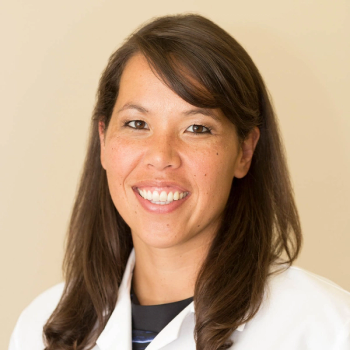
Dominique Rash, MD, presented several cases of patients with inoperable endometrial cancer at the 2026 ACRO Summit.

According to Dominique Rash, MD, the incidence of inoperable endometrial cancer is rising in the US, and clinicians may encounter it more frequently.
Parul Barry, MD, discussed the evolving role of ADCs and targeted therapies in breast cancer, highlighting strategies for sequencing them with radiation.

The multiple myeloma field may have even better treatment options available by the time some patients experience disease recurrence years down the line.

Because there are so many options available for treating DCIS, the chosen method is often based on the patient's preferences, said Jean L. Wright, MD, FASTRO.
Certain strategies are needed to improve clinical trial diversity, focusing on building patient trust, increasing workforce representation, and reducing logistical burdens.