

Opinion|Videos|October 23, 2023
Amivantamab for Patients With NSCLC and an EGFR Exon 20 Mutation
Kristen Neumann, DNP, FNP-C, emphasizes the efficacy of the drug amivantamab for patients with EGFR exon 20 mutations, explaining the challenges of unique skin rashes, but highlighting the importance of teamwork in effectively managing and treating these adverse skin effects.
Advertisement







Advertisement
Related to this article

Chinmay Jani, MD, highlights non-smoking risk factors, the impact of lung cancer on younger populations, and the value of comprehensive molecular testing.

Dwight H. Owen, MBBCh, MS, discussed why severe immune-related toxicities remain hard to predict as immunotherapy combinations expand in lung cancer.

Mingjia Li, MD, discussed the limitations of current biomarkers in selecting patients with resectable NSCLC for neoadjuvant chemoimmunotherapy.

Presentations at ESMO Congress 2026 detailed how surgery, radiation oncology, and supportive care can contribute to the treatment of patients with NSCLC.
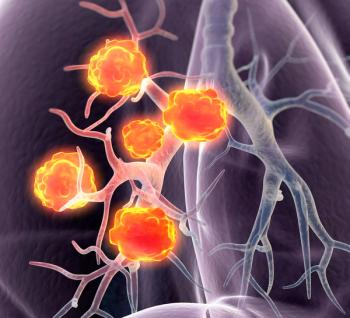
Matthew Lee, MD, discusses the first clinical data for BG-C477, a CEACAM5-targeting ADC, in advanced NSCLC.

"As we combine more treatments…they have overlapping toxicities, and they may have the ability to synergize in a negative way," said Dwight H. Owen, MBBCh, MS.

Matthew Lee, MD, shares his key takeaway from the first disclosure of BG-C477 data in advanced NSCLC.
Matthew Lee, MD, discusses how confident he is that CEACAM5 expression will hold up as a biomarker for BG-C477 in NSCLC.
Advertisement
Advertisement
Trending on CancerNetwork
1
KEYNOTE-B49 Points to a PD-L1-Defined Subset Benefiting From Immunotherapy in Breast Cancer
2
Closing the Gaps in Precision Oncology for Breast Cancer
3
Navigating PD-L1–Low Gastroesophageal Cancer Treatment and Payer Challenges
4
Managing Patients With No Pathologic Response After Durvalumab Plus FLOT
5