

Opinion|Videos|May 1, 2024
Counseling Patients and Caregivers on NSCLC Treatment Toxicities
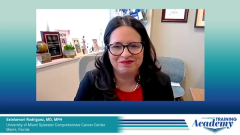
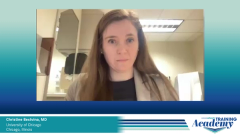
The panelists explore the importance of communicating with patients, nurses, and caregivers about potential adverse reactions and injection site reactions, while emphasizing the need to offer ongoing reassurance and support throughout the treatment journey.
Advertisement
Episodes in this series


Advertisement
Related to this article

Pembrolizumab plus SBRT produced more toxicity vs SBRT alone among patients with early-stage non–small cell lung cancer in the phase 3 KEYNOTE-867 trial.

An end-of-phase 2 meeting with the FDA supports a phase 3 development program for silevertinib in patients with locally advanced or metastatic NSCLC.

The FDA issued a Not Approvable Letter due to uncertainty around the degree of clinical benefit with Optune Mya for patients with NSCLC and brain metastases.

In pooled phase 1/2 data, the PD-1/VEGF bispecific antibody cesalatamig produced a 33% objective response rate in PD-(L)1–resistant/refractory NSCLC.

Findings may provide reassurance to patients with early-stage disease that surgery may help improve survival rates.
Advertisement
Advertisement
Trending on CancerNetwork
1
Real-World Teclistamab Shows Deep Responses in R/R Multiple Myeloma Cohort
2
ArteraAI Prostate Test Added to NCCN Guidelines for BCR After Prostatectomy
3
Adding Pembrolizumab to SBRT Does Not Improve EFS in Early-Stage NSCLC
4
Virtuoso Robotic System Earns FDA De Novo Nod for En Bloc Bladder Resection
5