

Opinion|Videos|May 15, 2024
Molecular Testing: Key Takeaways on Next Generation Sequencing in NSCLC
Medical experts explore the advantages and disadvantages of next-generation sequencing testing, highlighting the disparities in the quantity of tissue samples being sent for analysis, which can lead to inconclusive results when insufficient sample sizes are provided.
Advertisement
Episodes in this series


Advertisement
Related to this article
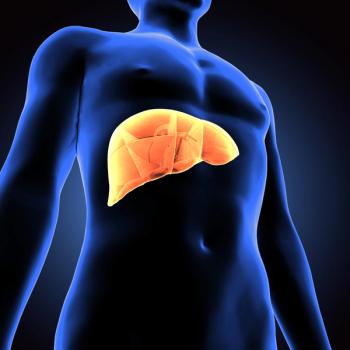
The FDA cleared TriSalus’s TriNav Advance device, which extends the SmartValve-based drug delivery technology to improve tumor penetration during liver embolization.

In the phase 1b CAMMA 1 trial, cevostamab plus pomalidomide and dexamethasone produced overall response rates of 86.2% to 88.0%.
Data from the phase 3 LITESPARK-011 trial support the FDA approval of belzutifan plus lenvatinib for adults with advanced clear cell renal cell carcinoma.

In the phase 1b portion of the MELT-MM trial, elranatamab plus mezigdomide produced a 100% overall response rate in relapsed/refractory multiple myeloma.
Xiuning Le, MD, PhD, discusses the confirmatory SOHO-02 trial needed to convert sevabertinib’s accelerated approval to full approval.

A pooled analysis of the AMY2009 and AMY3001 trials showed daratumumab plus VCd yielded hematologic complete responses in cardiac-involved AL amyloidosis.

Health Canada approved epcoritamab plus lenalidomide and rituximab for relapsed/refractory grade 1 to 3a follicular lymphoma, backed by the EPCORE FL-1 trial.
David R. Gandara, MD, discusses how EMPOWER-Lung 1’s findings in KRAS G12C-mutated disease should inform the design of combination trials.
Advertisement
Advertisement
Trending on CancerNetwork
1
Belzutifan Combo Receives FDA Approval in Advanced Clear Cell RCC
2
Daratumumab Combo Yields Responses in Cardiac-Involved AL Amyloidosis Trials
3
SOHO-02 Trial Will Confirm Sevabertinib’s Frontline NSCLC Benefit
4
Epcoritamab Combo Receives Canadian Approval in R/R Follicular Lymphoma
5