

Opinion|Videos|January 30, 2025
Enhancing Supportive Care and Quality of Life for RCC Patients
Panelists discuss their institution’s multidisciplinary approach to RCC care, emphasizing key specialties involved in coordinating patient care, ensuring seamless collaboration and communication across the team, the value of a multidisciplinary care team from the patient perspective, and unmet needs or opportunities to enhance supportive care and quality of life for patients with RCC, including gaps in education and practical ways nurses can empower and support patients.
Advertisement
Episodes in this series

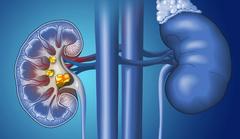
Video content above is prompted by the following:
- Each institution has its own multidisciplinary approach to RCC care. Can you describe our center’s model and approach to holistic patient support?
- What key specialties and roles are involved in coordinating comprehensive patient care?
- How do you ensure seamless collaboration and clear communication across the team?
- From the patient standpoint, what were the most valuable aspects of a multidisciplinary care team? How do Dr McManus, RN Brown, and the rest of the team best support you throughout your treatment journey? Please feel free to share examples or experiences.
- From your perspective, what unmet needs or opportunities do you see for enhancing supportive care and quality of life for patients with RCC
- Are there gaps in current patient education or supportive care services?
- What are practical ways in which nurses can empower and support patients?
Advertisement
Related to this article
A personalized ctDNA assay demonstrated 100% specificity but limited sensitivity for detecting recurrence after liver transplantation in HCC and CCA.

The FDA cleared the SpaceOAR Flex System, a hydrogel spacer used during prostate cancer radiotherapy, in a 510(k) supported by the HYDROSPACE trial.

Phase 2 ASPEN-06 data showed higher response rates with evorpacept added to trastuzumab, ramucirumab, and paclitaxel in HER2-positive gastric cancer.

In 62 patients with ICI-naive HPV16-Positive HNSCC, 17.7% experienced grade 3 or 4 treatment-related adverse events.

Ethan B. Ludmir, MD, details which cholangiocarcinoma subsets, by tumor location, may benefit most from neoadjuvant radiation before surgery.
Data from the phase BRUIN CLL-313 and BRUIN CLL-314 trials support the approval of pirtobrutinib for patients with CLL or SLL in China.

Clinicians must think a lot about how to make testing and novel treatment advances available for patients globally, according to Chul Kim, MD, MPH.

Daniel C. McFarland, DO, and Yesne Alici, MD, discussed medical aid in dying in cancer care, New York’s safeguards, and the role of psycho-oncology.
Advertisement
Advertisement
Trending on CancerNetwork
1
Neoadjuvant Radiation May Improve Tolerability in Cholangiocarcinoma
2
Defining the Role of Neoadjuvant Radiation in Cholangiocarcinoma
3
Distal Extrahepatic Cholangiocarcinoma May Gain From Neoadjuvant Radiation
4
Isatuximab-Based Therapy Shows “Impressive” PFS Projections in NDMM
5