
Opinion|Videos|January 23, 2025
Proactively Managing Toxicities in RCC IO/TKI Combinations: Insights and Recommendations
Panelists discuss essential patient education when initiating combination regimens for RCC, addressing overlapping and unique toxicity considerations in IO/TKI combinations, counseling strategies for monitoring and communicating potential adverse events (AEs), key AEs for patients to watch for, and strategies for proactive toxicity mitigation and management.
Advertisement
Episodes in this series

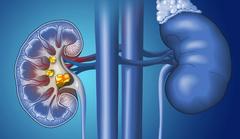
Video content above is prompted by the following:
- From a nursing perspective, what patient education is essential when initiating these combination regimens?
- When treating patients with RCC with IO/TKI combinations, what are the overlapping and unique toxicity considerations?
- How do you counsel patients about monitoring and communicating regarding potential adverse events? Which AEs are most important for patients to look out for?
- What strategies do you recommend for proactive toxicity mitigation and management?
- From a patient perspective, what information is essential for patients to understand when receiving pembrolizumab plus lenvatinib?
- Which adverse effects did you experience while on treatment, and how did you manage these?
- What was the role of your care team in managing adverse effects and counseling you throughout treatment?
Advertisement
Related to this article

Bruce Haffty, MD, and Mutlay Sayan, MD, on building radiation oncology at Rutgers, the future of the field, and a remarkable journey from eastern Turkey to Harvard faculty.
Marcio A. Fagundes, MD, discussed disease control by risk group among 404 patients with prostate cancer treated with intensity-modulated proton therapy.

The approval expands the indication of pirtobrutinib to patients with previously untreated chronic lymphocytic leukemia/small lymphocytic lymphoma with no known 17p deletion.

Community physicians must be “smart” when it comes to initiating outpatient care with agents like ramantamig for multiple myeloma, according to Jeffrey V. Matous, MD.

In the phase 3 Alliance A071801 trial, postoperative fractionated SRS improved surgical bed control vs single-fraction SRS without added toxicity.
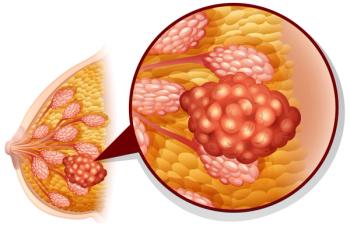
In the phase 3 evERA trial, interim overall survival data showed a positive trend in favor of giredestrant/everolimus vs endocrine therapy plus everolimus.

William A. Hall, MD, reviews resection rates, surgical complications, and SBRT target volumes from the SOFT Preop study in pancreatic cancer.
Andy Liao, MD, discusses the distribution of KRAS mutations in biliary tract cancer and the different classes of KRAS inhibitors in development.
Advertisement
Advertisement
Trending on CancerNetwork
1
EXCALIBER-RRMM: Iberdomide in Relapsed/Refractory Multiple Myeloma
2
FDA OKs Pirtobrutinib in Frontline CLL/SLL
3
Assessing IMPT Outcomes Across Localized Prostate Cancer Risk Groups
4
SBRT Matches Disease Control of Prostatectomy in Localized Prostate Cancer
5