

Opinion|Videos|February 26, 2024
Treatment Practices for Castration-Sensitive Prostate Cancer
The Oncology Brothers and Rana R. McKay, MD, have a comprehensive discussion on the treatment of patients with castration-sensitive prostate cancer.
Advertisement
Advertisement
Related to this article

“We are not just treating the cancer; we are treating the patient,” said Marcio A. Fagundes, MD.

At 8 years, SBRT and radical prostatectomy had similar disease control in the PACE-A trial, with less urinary incontinence after SBRT.

“When we give the most effective therapy at the time of new diagnosis, we get the most value out of the effort and time that we and our patients are spending,” said Neeraj Agarwal, MD, FASCO.

An aglatimagene besadenovec-based radiotherapy combination increased intratumoral lymphocyte fraction in intermediate- to high-risk localized prostate cancer.

“It should be protocol that 100% of your patients with metastatic prostate cancer get germline testing. Full stop. No exceptions,” said Neal D. Shore, MD, FACS.

In a secondary analysis of the DEPROMP trial, 94.8% of biopsy-naive men had no AEs immediately after multimodal MRI- and PSMA PET/CT–guided prostate biopsy.
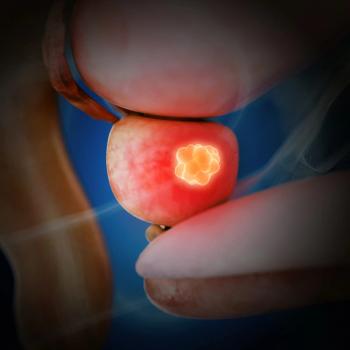
The FDA cleared the SpaceOAR Flex System, a hydrogel spacer used during prostate cancer radiotherapy, in a 510(k) supported by the HYDROSPACE trial.

“Cardiovascular assessment should begin when the patient is being selected for treatment, not after the toxicity emerges,” said Faisal Mehmud, MD, MRCP.
Advertisement
Advertisement
Trending on CancerNetwork
1
What Does TALAPRO-3 Mean for Frontline Treatment of HRR-Altered mHSPC?
2
Aglatimagene Combo Shows Sustained Immune Remodeling in Prostate Cancer
3
CARTITUDE-2 Cohort A Follow-Up Data and Preparing Patients for CAR TCell Therapy
4
Referral Barriers to Chimeric Antigen Receptor T-Cell Therapy in Multiple Myeloma
5