

Neoadjuvant botensilimab plus balstilimab appears to be safe and effective in patients with colorectal cancer regardless of mismatch repair status in the phase 2 NEST-1 trial.
Neoadjuvant botensilimab plus balstilimab appears to be safe and effective in patients with colorectal cancer regardless of mismatch repair status in the phase 2 NEST-1 trial.

Data from the phase 3 NETTER-2 trial support the frontline use of Lutetium Lu 77 dotatate well-differentiated gastroenteropancreatic neuroendocrine tumors.

Retrospective, real-world results showed that oral decitabine and cedazuridine and standard parenteral hypomethylating agents demonstrated similar levels of comorbidities and disease burden in patients with myelodysplastic syndrome.
The phase ZUMA-2 trial showed safe and efficacious responses for patients with relapsed/refractory mantle cell lymphoma treated with brexucabtagene autoleucel.

All dose-limiting toxicities with SIM0270 in a phase 1 trial appear to be manageable with dose reductions in those with estrogen receptor–positive, HER2-negative breast cancer.

Trastuzumab emtansine plus tucatinib has promising clinical activity and a manageable safety profile in HER2-positive metastatic breast cancer, says Sara A. Hurvitz, MD.
Sobuzoxane plus etoposide and rituximab may be safe and effective in a subgroup of elderly patients with diffuse large B-cell lymphoma and low tumor burden.

Sotorasib plus panitumumab demonstrate consistent efficacy across key patient subgroups with chemorefractory metastatic colorectal cancer harboring KRAS G12C mutations in the phase 3 CodeBreaK 300 trial.

The phase 3 KEYNOTE-756 trial yielded an increased pathological complete response for those with high-risk, early-stage, estrogen receptor–positive, HER2-negative breast cancer receiving pembrolizumab plus chemotherapy followed by adjuvant pembrolizumab plus endocrine therapy.

Talquetamab appears to produce the highest overall response rates vs other types of bispecific antibody monotherapy among patients with relapsed/refractory multiple myeloma in a systematic review.

Results from the phase 3 IMvigor130 trial reveal a trend towards overall survival improvement when atezolizumab plus chemotherapy was given to patients with locally advanced or metastatic urothelial carcinoma vs placebo.
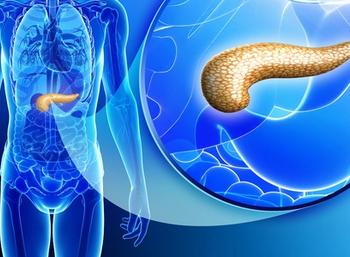
Investigators report evidence of early efficacy with SEA-CD40, chemotherapy, and pembrolizumab in patients with metastatic pancreatic ductal adenocarcinoma.
Patients with IDH1-mutant relapsed/refractory acute myeloid leukemia achieved a notable complete response rate following treatment with olutasidenib.

Ziolvertamab and Ibrutinib combination therapy demonstrated an overall response rate of 89.3% and 91.2% in patients with mantle cell lymphoma and chronic lymphocytic leukemia, respectively.
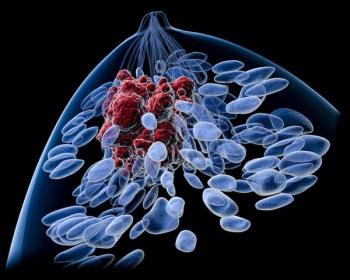
A pooled exploratory analysis of phase 3 trials found statistically significant progression-free survival and overall survival benefits with ribociclib/endocrine therapy for patients with hormone receptor–positive, HER2-negative breast cancer and visceral metastases.

The phase 2 Neo-KAN study aims to determine if improved pathologic complete response rates with adagrasib alone or combined with immunotherapy for the neoadjuvant treatment of KRAS G12C–mutated non–small cell lung cancer are possible.
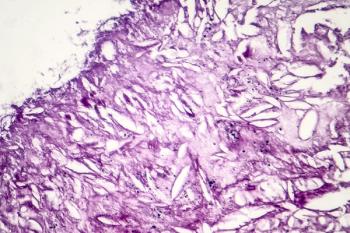
A sustained progression-free survival benefit was observed with nivolumab plus relatlimab-rmbw vs nivolumab alone in the phase 2/3 RELATIVITY-047 trial in treatment-naïve, unresectable or metastatic melanoma.
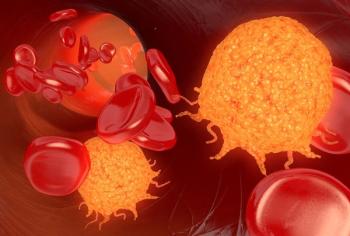
Combining magrolimab with azacitidine led to manageable anemia in patients with higher-risk myelodysplastic syndrome and acute myeloid leukemia.