



Prostate Cancer
Latest News

Darolutamide/ADT Improves Efficacy in Older Metastatic HSPC Population
By Russ Conroy

MCS-8, a Plant-Derived Drug, Reduces Prostate Cancer Incidence vs Placebo
By Russ Conroy
Advertisement
Latest Videos


Podcasts
























































Advertisement
More News
Previous results from the study found improvement in the primary end point of PSA-PFS with apalutamide in recurrent prostate cancer.
Findings from the PSMAddition trial support the benefit of the early addition of lutetium Lu 177 vipivotide tetraxetan in metastatic HSPC.
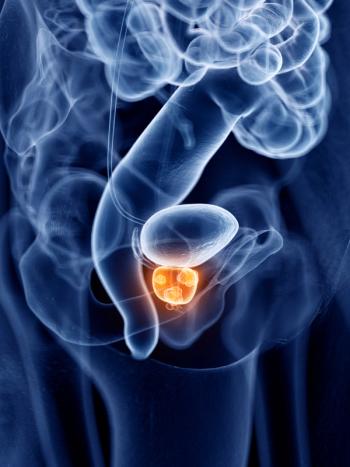
Findings from the ENZARAD trial support adding enzalutamide to androgen deprivation therapy for those with positive lymph nodes.
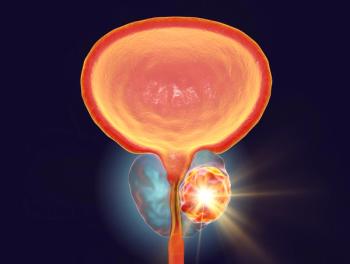
At 8 years follow-up, patients with recurrent prostate cancer in the enzalutamide/leuprolide arm had an OS rate of 78.9% vs 69.5% vs leuprolide alone.

Capivasertib plus abiraterone shows consistent benefits across clinical end points in the phase 3 CAPItello-281 trial.
Updated safety findings may support the ARASAFE regimen as a potential standard of care in metastatic hormone-sensitive prostate cancer.
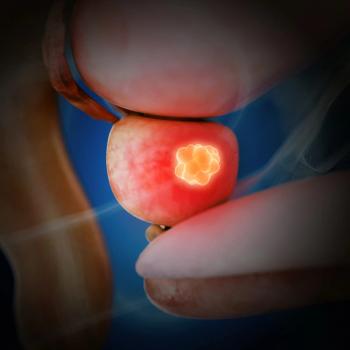
The novel PET imaging agent detected significantly more PSMA-positive prostate cancer lesions vs SOC in patients with low PSA levels.
Data from the AMPLITUDE trial may support widespread genomic testing at diagnosis to inform targeted therapy strategies for those with CSPC.
The 10-year biochemical DFS rate was 86% with EBRT plus focal boost vs 71% with standard EBRT in those with intermediate- and high-risk prostate cancer.
Imaging developments have made it possible to detect nodal recurrence at low PSA levels, which could help guide salvage approaches for prostate cancer.

RLT-based combinations, RLTs across genitourinary cancers, and RLTs in earlier lines of therapy are among the considerations for further research.
Grade 2 or higher genitourinary acute toxicity was observed in 27.3% of patients treated with 2 fractions of SBRT vs 29.2% of patients treated with 5 fractions.

Biochemical markers and advanced imaging modalities play a critical role in monitoring patients undergoing RLT therapy for metastatic prostate cancer.
Data support the use of radioligand therapy in combination with androgen receptor pathway inhibitors to optimize prostate cancer outcomes.
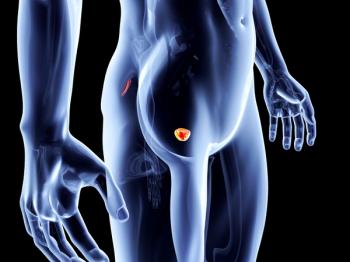
SBRT achieved a 5-year DFS rate of 89% vs 92% with moderately hypofractionated IMRT in patients with intermediate-risk prostate cancer.
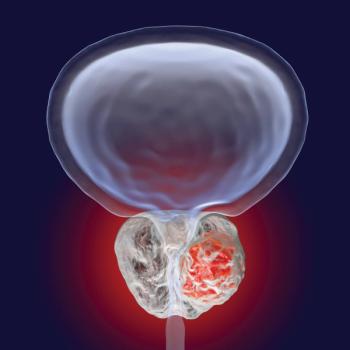
The addition of 177Lu-PNT2002 did not significantly increase toxicity in patients with oligorecurrent prostate cancer who received SBRT.
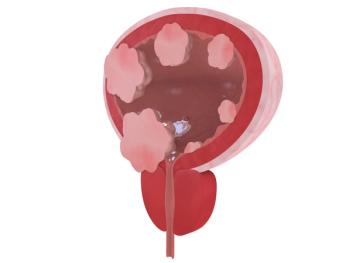
Apalutamide plus stereotactic radiotherapy may be effective for certain patients with recurrent prostate cancer following radical prostatectomy.

In an interim safety analysis, no dose-limiting toxicities, unexpected AEs, or grade 3/4 AEs were reported in 10 patients treated for metastatic CRPC.

Results from a phase 3 trial led to the approval of leuprolide mesylate as a 3-month formulation for patients with advanced prostate cancer.
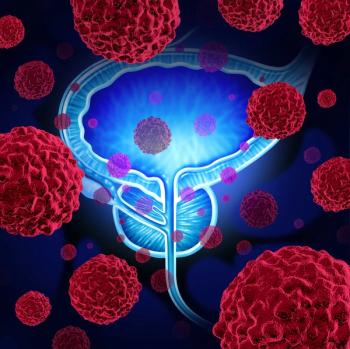
Developers are enrolling those with metastatic castration-resistant prostate cancer on a phase 1/2 trial to assess the safety and tolerability of HLD-0915.

The new formulation should increase the batch size by approximately 50% and will offer the potential to expand access to patients in new geographic locations.
Developers plan to initiate a phase 2b trial in patients with less severe prostate cancer variants to better assess INKmune’s antitumor effects.
Findings from the phase 3 TALAPRO-2 trial showed that the safety profile of talazoparib was consistent with its known profile in metastatic CRPC.
No dose-limiting toxicities or unexpected adverse effects occurred with carotuximab/apalutamide in metastatic castration-resistant prostate cancer.
More detailed overall survival results from the phase 3 EMBARK trial for patients with nmHSPC will be shared at an upcoming medical conference.
Advertisement
Advertisement
Trending on CancerNetwork
1
Expanding CAR T and Bispecific Antibody Research in HIV-Associated Lymphoma
2
Why High-Risk Stage I NSCLC Needs a Post-Surgical Vaccine Option
3
Ubamatamab Yields Responses in Recurrent Low-Grade Serous Ovarian Cancer
4
How Emory Became the First Adopter of the Liberty Endovascular Robotic System
5