

Updated results from SunRISe-4 support further investigation of the gemcitabine intravesical system plus cetrelimab in MIBC.
Updated results from SunRISe-4 support further investigation of the gemcitabine intravesical system plus cetrelimab in MIBC.

Osimertinib and local consolidative therapy was a safe and effective strategy to extend disease control in patients with advanced EGFR-mutant NSCLC.

A numerically greater response rate with regorafenib/nivolumab may encourage a search for more non-chemotherapy combinations for gastric cancer.

Adjuvant ribociclib plus aromatase inhibitors significantly improved invasive disease-free survival in early breast cancer, as shown in the NATALEE trial.
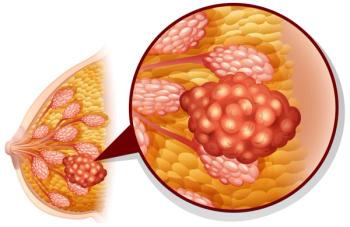
Data from monarchE showed an OS benefit with abemaciclib-based therapy that was consistent across prespecified patient subgroups.
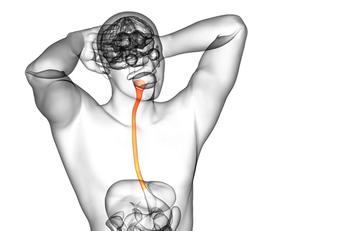
Meta: Safety outcomes, including the treatment-related AEs and AEs leading to treatment discontinuation, were consistent with or without lenvatinib in ESCC.

Data from POTOMAC support durvalumab plus BCG and induction and maintenance therapy as a new treatment option in BCG-naive, high-risk NMIBC.

New findings reveal that adding durvalumab to neoadjuvant chemotherapy does not enhance HRQOL in muscle-invasive bladder cancer patients.

Hosts Manojkumar Bupathi, MD, MS, and Benjamin Garmezy, MD, discuss presentations at ESMO 2025 that may impact bladder, kidney, and prostate cancer care.
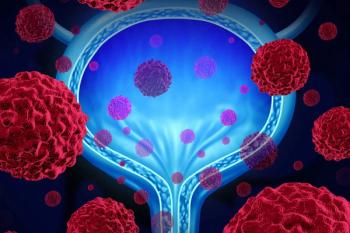
Using multiparametric MRI for initial staging, then cystoscopic biopsy, improves bladder cancer-specific survival compared with transurethral resection of bladder tumor staging.
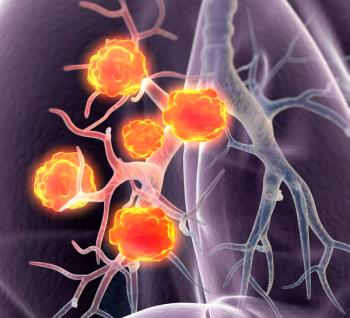
Alectinib shows promising long-term survival benefits over crizotinib for advanced ALK-positive NSCLC, highlighting significant clinical advancements.
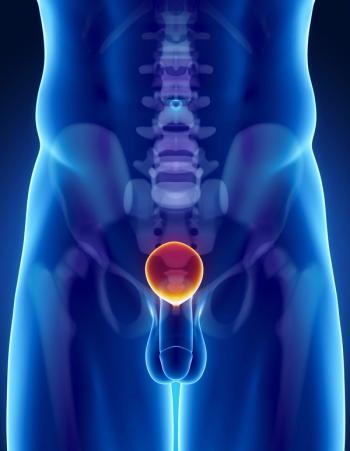
Updated safety findings may support the ARASAFE regimen as a potential standard of care in metastatic hormone-sensitive prostate cancer.

Sevabertinib monotherapy was deemed tolerable across various cohorts of patients who were pretreated and treatment-naïve with HER2-mutant advanced NSCLC.

Results from the Beamion LUNG-1 study showed that first-line zongertinib yielded continued benefit for patients with HER2-mutated NSCLC.
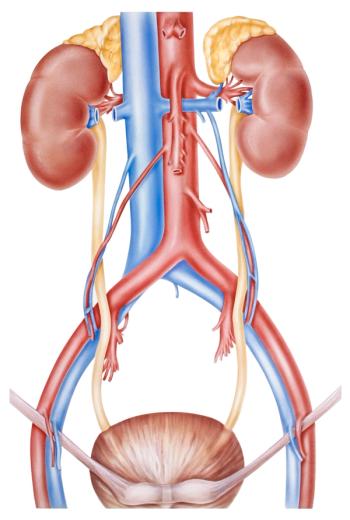
Updated results from CheckMate 274 support adjuvant nivolumab as a standard of care for patients with high-risk muscle-invasive urothelial carcinoma.
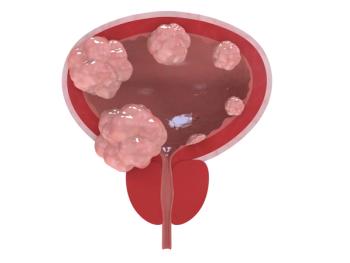
The safety profile of the atezolizumab with Bacillus Calmette-Guérin in NMIBC was consistent with that of each individual agent.

Experts highlight anticipated sessions at the 2025 ESMO Congress, including those on the PSMAddition and EV-303 trials.
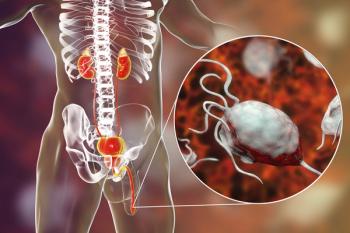
Anticipated data from the ESMO Congress 2025 may have implications for standards of care across prostate and bladder cancer groups.
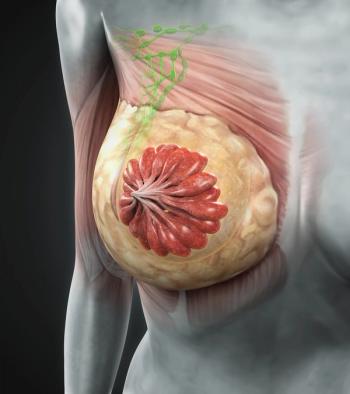
Trials slated for presentation at the 2025 ESMO Congress may reveal practice-changing data across different breast and lung cancer populations.

Co-hosts Kristie L. Kahl and Andrew Svonavec highlight what to look forward to at the 2025 ESMO Annual Congress, from hot topics and emerging trends to travel recommendations.

STX-478 showed efficacy in patients with advanced solid tumors regardless of whether they had kinase domain or helical PI3K mutations.
STX-478 may avoid adverse effects associated with prior PI3K inhibitors that lack selectivity for the mutated protein vs the wild-type protein.
Phase 1 data may show the possibility of rationally designing agents that can preferentially target PI3K mutations in solid tumors.
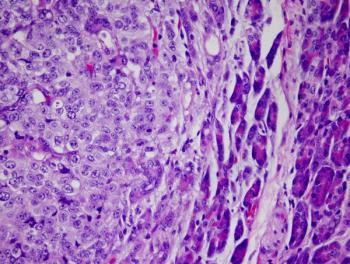
The safety profile of fianlimab/cemiplimab in a phase 1 trial was consistent with prior reports of cemiplimab monotherapy.
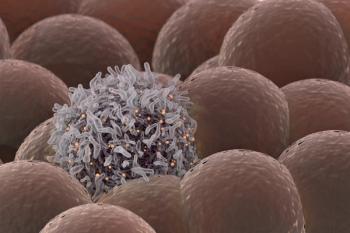
Data from the ARANOTE trial may support darolutamide plus androgen deprivation therapy as a standard of care in metastatic HSPC.
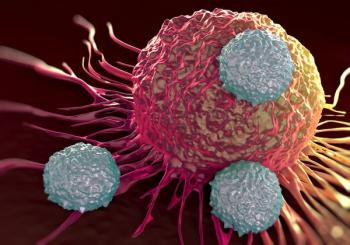
Investigators are currently assessing possible predictors for response to inavolisib as part of the phase 2 CRAFT trial.

Investigators report no grade 4 adverse effects among patients who received elacestrant/abemaciclib in the phase 1b/2 ELECTRA trial.

Concurrent chemoradiation yielded similar contralateral breast recurrence outcomes vs a sequential approach in early-stage breast cancer.
Patients with HR-positive, HER2-positive breast cancer and high-risk features may derive benefit from ovarian function suppression plus endocrine therapy.
Paolo Tarantino, MD discusses updated breast cancer trial findings presented at ESMO 2024 supporting the use of agents such as T-DXd and ribociclib.