

Co-hosts Kristie L. Kahl and Andrew Svonavec highlight what to look forward to at the 2025 ESMO Annual Congress, from hot topics and emerging trends to travel recommendations.
Co-hosts Kristie L. Kahl and Andrew Svonavec highlight what to look forward to at the 2025 ESMO Annual Congress, from hot topics and emerging trends to travel recommendations.

STX-478 showed efficacy in patients with advanced solid tumors regardless of whether they had kinase domain or helical PI3K mutations.
STX-478 may avoid adverse effects associated with prior PI3K inhibitors that lack selectivity for the mutated protein vs the wild-type protein.
Phase 1 data may show the possibility of rationally designing agents that can preferentially target PI3K mutations in solid tumors.
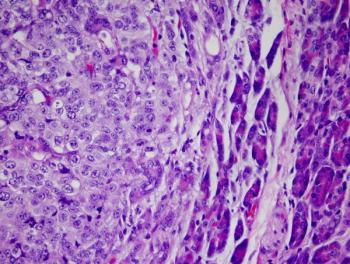
The safety profile of fianlimab/cemiplimab in a phase 1 trial was consistent with prior reports of cemiplimab monotherapy.
Data from the ARANOTE trial may support darolutamide plus androgen deprivation therapy as a standard of care in metastatic HSPC.
Investigators are currently assessing possible predictors for response to inavolisib as part of the phase 2 CRAFT trial.

Investigators report no grade 4 adverse effects among patients who received elacestrant/abemaciclib in the phase 1b/2 ELECTRA trial.

Concurrent chemoradiation yielded similar contralateral breast recurrence outcomes vs a sequential approach in early-stage breast cancer.
Patients with HR-positive, HER2-positive breast cancer and high-risk features may derive benefit from ovarian function suppression plus endocrine therapy.
Paolo Tarantino, MD discusses updated breast cancer trial findings presented at ESMO 2024 supporting the use of agents such as T-DXd and ribociclib.
Higher, durable rates of response to frontline therapy are needed to potentially improve long-term survival among patients with non–small cell lung cancer.

ESMO 2024 saw a wide range of potentially practice-changing data across multiple oncology disciplines such as the breast cancer and lung cancer fields.

Deep and durable responses were observed with lenvatinib plus pembrolizumab in patients with stage III/IV recurrent endometrial carcinoma.
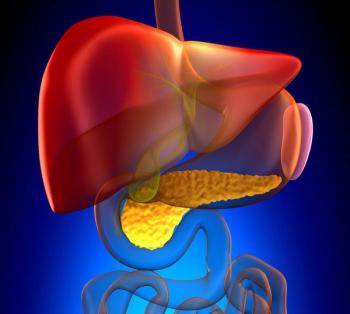
Treatment with the tremelimumab-based combination also yielded no new serious treatment-related adverse effects in the HIMALAYA study.

Phase 2 data also show responses with atezolizumab switch therapy in a population of patients with BRAF V600–positive melanoma.
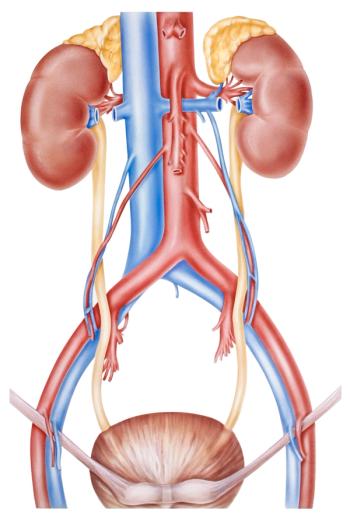
Data from the SunRISe-4 trial demonstrate the benefit of adding TAR-200 to checkpoint inhibition among patients with muscle-invasive bladder cancer.

NO-CUT trial data show that DRFS was maintained when non-operative management was used in patients with pMMR locally advanced rectal cancer.

Data from NATALEE continue to support the addition of ribociclib to adjuvant nonsteroidal aromatase inhibitors in HR-positive, HER2-negative breast cancer.
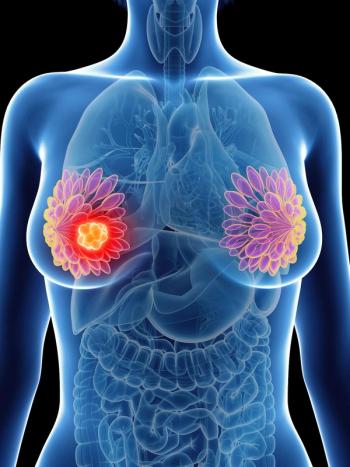
Follow-up data show breastfeeding to be feasible among patients with hormone receptor–positive breast cancer during an endocrine therapy break.
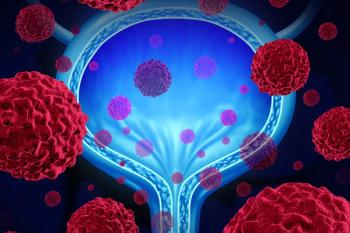
Thomas Powles, MBBS, MRCP, MD, presented results from the NIAGRA trial assessing perioperative durvalumab in patients with cisplatin-eligible MIBC.

QOL data from DESTINY-Breast06 support T-DXd as a new therapeutic option in previously treated HER2-low and HER2-ultralow metastatic breast cancer.

A median EFS of 40.1 months was noted in patients resectable NSCLC given perioperative nivolumab vs placebo.

In patients with early breast cancer, hypofractionated radiation was noninferior to normofractionated radiation regarding lymphedema risk.

Subgroup analysis in a phase 3 trial show OS benefits with the ramucirumab-based regimen in female patients and those with left-sided tumors.

A pembrolizumab regimen for patients with early-stage triple-negative breast cancer yielded improved overall survival.
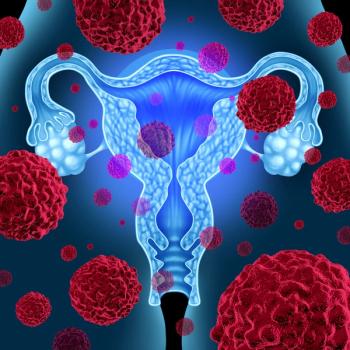
The addition of pembrolizumab to chemotherapy with or without radiation did not improve DFS across the intent-to-treat population of KEYNOTE-B21.

Superior efficacy outcomes were noted when adagrasib was used to treat patients with KRAS G12C NSCLC and among those with brain metastases.
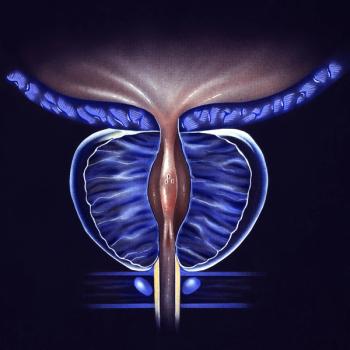
Significant survival benefits were observed with Radium-223 plus enzalutamide in patients with metastatic castration-resistant prostate cancer.

The primary end point of progression-free survival was met with retifanlimab to carboplatin and paclitaxel in patients with metastatic SCAC.