
“With expanding options for patients with advanced RCC, the overall efficacy, safety, and quality of life benefits, as well as individual patient characteristics, are very important considerations when you select appropriate therapy.”
“With expanding options for patients with advanced RCC, the overall efficacy, safety, and quality of life benefits, as well as individual patient characteristics, are very important considerations when you select appropriate therapy.”

The first-in-class inhibitor of apoptosis protein (IAP) antagonist significantly improved overall survival in patients with LA-SCCHN.
Induction avelumab prior to standard of care led to a clinically relevant worsening of survival as the first-line treatment for patients with metastatic urothelial carcinoma.

Cemiplimab demonstrated an objective response rate of 31% in patients with locally advanced basal cell carcinoma who progress on or are intolerant to hedgehog inhibitors.

A new combination may be key to improving tumor response rates and overall survival in colorectal cancer.

Despite prolonged progression-free duration, a 25% reduction in risk of death associated with anti-androgen agent apalutamide fell short of statistical significance in patients with non-metastatic, high-risk castration-resistant prostate cancer.

The findings of a trial presented at ESMO 2019 may be a breakthrough when it comes to molecularly targeted treatment for prostate cancer.

The findings of a new study presented at ESMO may offer a new treatment for non–small cell lung cancer.

Extended follow-up from the CheckMate 032 trial showed strong results with three different immunotherapy regimens involving nivolumab and ipilimumab in patients with previously treated metastatic urothelial carcinoma.

Lenvatinib offers the highest published response rate to a targeted agent for patients with advanced neuroendocrine tumors, but the agent’s precise role in this setting remains in question.

In general, NETs are considered an “immunological desert,” but a new study showed some promise for immunotherapy.

Many lung cancer patients may be unaware of the potential benefits of exercise.

Previous research showed that gefitinib can improve DFS in certain NSCLC patients, raising the possibility that EGFR-targeted TKIs could be beneficial in the neoadjuvant setting.

The combo showed improvement in disease-free survival over tamoxifen in premenopausal patients with hormone receptor (HR)-positive early breast cancer.

Researchers compared the cost effectiveness of two durations of trastuzumab in HER2+ breast cancer patients.

The SOLAR-1 trial tested whether the PI3K inhibitor alpelisib improved outcomes in HR+, HER2− breast cancer patients.

A subgroup analysis of Short-HER looked at the differences in 5-year DFS rates for 9 weeks vs 1 year of trastuzumab for HER2+ breast cancer patients.
Researchers tested whether combining chemotherapy with immunotherapy would offer improved survival for patients with triple-negative breast cancer.
Researchers tested whether immunotherapy could be safely used in HIV-positive patients with cancer.

Researchers tested whether 2 years of maintenance therapy with olaparib would improve outcomes in advanced ovarian cancer patients.

While becoming pregnant is generally possible for younger breast cancer patients, researchers believe many women change their minds after treatment.

In premenopausal patients with early breast cancer, approximately one-sixth are not adequately adherent to adjuvant endocrine therapy.

Dr. Raghu Kalluri speaks with Cancer Network about the role of exosomes in cancer progression ahead of his presentation at ESMO 2018.

Dr. Luis Diaz spoke with Cancer Network about monitoring for residual disease in colon cancer ahead of his presentation at ESMO 2018.

In a first-of-its-kind study, researchers analyzed how Twitter users talk about breast cancer on the social media platform.

The relative importance of common chemotherapy side effects has shifted substantially over the last few decades, according to a new study. In general, psychosocial effects have become more important while physical effects seem less significant to patients than in the past.
The combination of ramucirumab and docetaxel prolonged progression-free survival over chemotherapy alone in patients with platinum-refractory advanced urothelial carcinoma, the first time in this setting that a regimen has improved outcomes over chemotherapy.
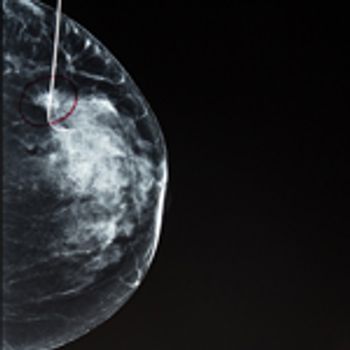
Nearly one quarter of breast cancer patients with small, node-negative tumors have high-risk genomic characteristics and would likely benefit from chemotherapy, according to results of a new study presented at the 2017 ESMO Congress.
The advantage with pembrolizumab has continued to improve, offering significantly better overall survival than chemotherapy in patients with recurrent, advanced urothelial carcinoma, according to the mature results of a phase III trial.
More than half of patients with metastatic clear cell renal cell carcinoma treated with a combination of lenvatinib and pembrolizumab responded to treatment at week 24, according to interim results of a phase I/II study presented at the 2017 ESMO Congress.