
The TWiST analysis of the phase III ENGOT-OV16/NOVA trial evaluated the time without symptoms or toxicity for niraparib vs placebo in patients with recurrent ovarian cancer.
The TWiST analysis of the phase III ENGOT-OV16/NOVA trial evaluated the time without symptoms or toxicity for niraparib vs placebo in patients with recurrent ovarian cancer.

The phase II trial evaluated dendritic cell–based immunotherapy with concomitant administration of chemotherapy vs chemotherapy alone.

Results of a phase II trial evaluating pembrolizumab in combination with bevacizumab and oral metronomic cyclophosphamide were presented at SGO 2019.

Avelumab alone or with pegylated liposomal doxorubicin did not improve survival in this phase III trial, but a subgroup analysis showed promising findings.
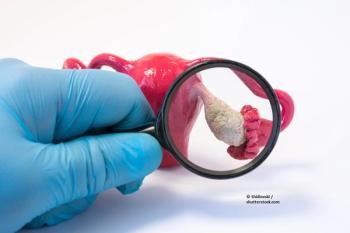
Early results of the WISP trial, which is evaluating risk-reducing salpingo-oophorectomy vs salpingectomy with delayed oophorectomy, were presented in Honolulu.

At SGO 2018, an early study showed ‘encouraging’ PFS with trastuzumab added to combination carboplatin/paclitaxel for advanced HER2/neu-overexpressing uterine serous carcinoma.
An analysis presented at SGO 2018 concluded strong and consistent clinician recommendations might boost HPV vaccination rates among teens, particularly boys.
A study presented at the SGO Annual Meeting found that PARP-7 amplification mutations are associated with prolonged survival among patients with platinum-sensitive ovarian cancer.
A study presented at the SGO Annual Meeting found that elderly women have higher rates of cervical cancer than previously thought, suggesting screening guidelines should be reconsidered.
Findings from the GOG-3007 study suggest everolimus plus letrozole might be effective in advanced persistent or recurrent endometrial carcinoma.
ACA Medicaid expansion benefited women younger than 65 who were diagnosed with a gynecologic cancer between 2011 and 2014, a SEER database analysis found.
A single-institution study of patients with advanced/recurrent EOCs found no overall survival differences for Caucasians and minorities who had participated in a clinical trial.
An “ultra-restrictive” policy to reduce opioid prescribing to women who underwent major gynecologic cancer surgeries dramatically reduced opioid use.
Thromboprophylaxis with oral apixaban was similar to subcutaneous enoxaparin with regard to safety outcomes in women undergoing surgery for suspected gynecologic malignancies.
The addition of the immune therapy motolimod to pegylated liposomal doxorubicin failed to improve overall survival among women with recurrent epithelial ovarian carcinoma in a randomized phase II trial.
A long-term phase III trial found that maintenance chemotherapy did not improve overall survival over surveillance among women with advanced ovarian/fallopian tube/peritoneal cancer who had a complete response to first-line therapy.
Molecular expression analysis found that high-grade serous ovarian carcinomas exhibit significant alterations to cell cycle genes, DNA damage genes, and other pathways following treatment with neoadjuvant chemotherapy.

In this interview we discuss the idea behind an enhanced recovery program for patients undergoing cytoreductive surgery for ovarian cancer, as well as some of the potential cost savings.
Women who receive two doses of HPV vaccine have higher prophylactic efficacy than women who receive only one dose, according to a database study.
The use of sentinel lymph node biopsy alone in women with early cervical cancer resulted in less surgical morbidity without a significant increase in the risk of recurrence, according to a new prospective study.
Treating women with stage IVB cervical cancer with whole pelvic radiation along with standard chemotherapy improved survival over chemotherapy alone in a retrospective study.