
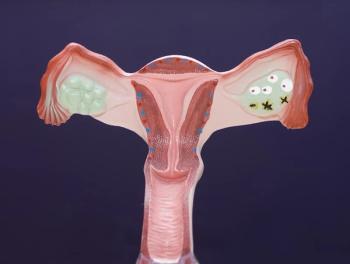
Results from the UK phase 2 PEACOCC trial found improved outcomes with pembrolizumab monotherapy in patients with previously-treated advanced clear cell gynecological cancers.
Results from the UK phase 2 PEACOCC trial found improved outcomes with pembrolizumab monotherapy in patients with previously-treated advanced clear cell gynecological cancers.
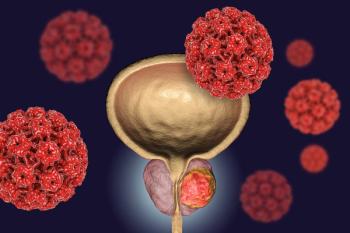
Based on findings from the phase 3 CABASTY trial, a fixed 16 mg/m2 dose of cabazitaxel every 2 weeks vs 25 mg/m2 every 3 weeks reduced neutropenic complications in elderly patients with mCRPC.

Findings from a retrospective cohort study found that immune checkpoint inhibitors induced promising responses in the first- and second-line treatment of head and neck squamous cell carcinoma.
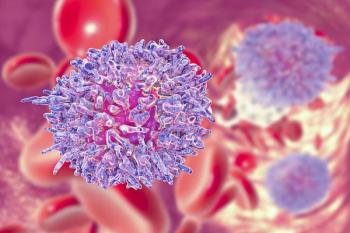
Quizartinib has received priority review from the FDA for the treatment of patients with newly diagnosed acute myeloid leukemia that is FLT3-ITD positive.

Based on results from the phase 3 HIMALAYA trial, the FDA has approved tremelimumab plus durvalumab in patients with unresectable hepatocellular carcinoma.

According to findings from the phase 3 PACE-B trial, genitourinary and gastrointestinal toxicities were similar among patients with prostate cancer receiving conventionally fractioned or moderately hypofractionated radiotherapy and stereotactic body radiotherapy.

Across various cancer types, stereotactic ablative body radiotherapy was found to be a safe method for treating oligometastes.

Joseph Mikhael, MD, discussed the need for increased diversity in clinical trials, specifically in the hematology space.
A trial investigating seclidemstat for Ewing and FET-rearranged sarcomas has voluntarily paused enrollment following an unexpected death.

The European Commission based its approval of axicabtagene ciloleucel as a second-line therapy for patients with relapsed/refractory diffuse large B-cell lymphoma or high-grade B-cell lymphoma on the efficacy findings of the phase 3 ZUMA-7 trial.

Ursula A. Matulonis, MD, spoke about the updated results of the phase 3 SORAYA trial with mirvetuximab soravtansine in patients with folate receptor α–high platinum-resistant ovarian cancer presented at 2022 IGCS.
Patients with advanced type B3 thymoma and thymic carcinoma who progressed after chemotherapy were responsive to treatment with avelumab plus axitinib, according to data from the phase 2 CAVEATT trial.

Findings from the phase 3 KEYNOTE-048 study indicated that long-lasting improved survival benefit can be achieved with pembrolizumab plus chemotherapy compared with cetuximab and chemotherapy in patients with recurrent or metastatic head and neck squamous cell carcinoma.

Results from the phase 2 CheckPAC trial indicated that stereotactic body radiotherapy plus nivolumab and ipilimumab produced a promising clinical benefit rate for patients with refractory metastatic pancreatic cancer.
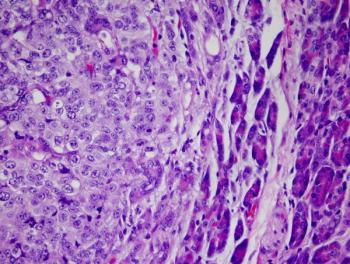
Patients with completely resected stage IIB/C melanoma experienced significant and clinically meaningful improvements in recurrence-free survival following treatment with adjuvant nivolumab compared with placebo.
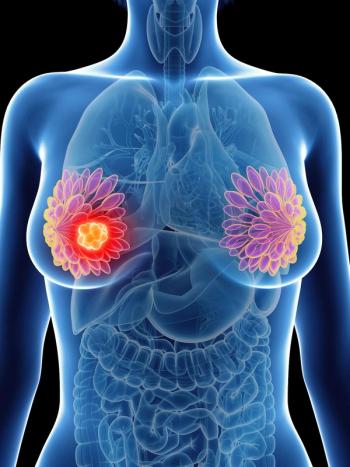
Switch treatment with palbociclib and fulvestrant from aromatase inhibitors plus palbociclib upon onset of ESR1 blood mutations and before progression yielded better progression-free survival among those with estrogen receptor–positive, HER2-negative advanced breast cancer.

A meta-analysis found Black men who undergo radiotherapy for localized prostate cancer have better outcomes in terms of biochemical recurrence, distant metastases, and prostate cancer-specific mortality than White men despite presenting with more aggressive disease.

Data from the phase 1 LuMIERE study highlighted that targeted radiotherapy agent 177Lu-FAP-2286 demonstrated a manageable safety profile and promising preliminary antitumor activity.
Disease-free survival was not reached with perioperative nor adjuvant chemotherapy with gemcitabine plus nab-paclitaxel in patients with resectable pancreatic cancer, although neoadjuvant chemotherapy yielded a numerical improvement in overall survival, according to data from the phase 2 NEONAX trial.

After a median of 50 months of follow-up, palbociclib plus adjuvant endocrine therapy did not improve invasive disease-free survival in a subgroup of patients with stage IIA estrogen receptor–positive breast cancer

Many communities face persistent and tenacious issues surrounding the treatment of patients with breast cancer, according to the founder of the Missing Pink Breast Cancer Alliance.
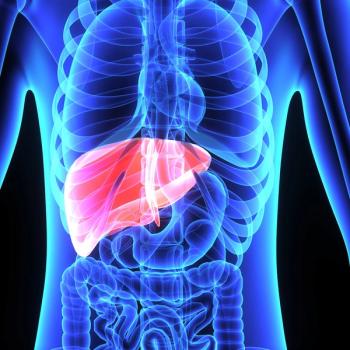
The FDA has given orphan drug designation to ET140203 ARTEMIS, an investigational therapy for hepatoblastoma, the safety and potential efficacy of which are being evaluated in the phase 1/2 ARYA-1 and ARYA-2 studies.
Tycel Phillips, MD, reviewed effective second-line treatment options for patients with relapsed/refractory mantle cell lymphoma.
A panel of experts convened at the 2022 NCCN: Hematologic Malignancies Conference to discuss the classification, treatment options, and supportive care strategies available for patients with acute myeloid leukemia.

GPRC5D appears to be an active, promising target for CAR T-cell product MCARH109 in heavily pretreated multiple myeloma.
Results from a randomized controlled trial highlighted that the TissueCypher Barrett’s Esophagus Test heightened accuracy for assessing progression risk in high-grade dysplasia and esophageal adenocarcinoma among patients with Barrett’s esophagus.
As part of Breast Cancer Awareness Month, CancerNetwork® spoke with Deborah M. Axelrod, MD, about developments within the surgical breast cancer space, including decreasing the need for re-excision and full lymph node dissection.
Joseph Mikhael, MD, in a conversation on important presentations from the 2022 International Myeloma Society Annual Meeting, highlighted key findings with lenalidomide plus RVd and stem cell transplant in patients with high-risk multiple myeloma.

During Breast Cancer Awareness Month, CancerNetwork® spoke with Megan May, PharmD, about her role as a pharmacist on a multidisciplinary cancer care team.
Ritu Salani, MD, highlights key data from the 2022 ESMO Congress, including those surrounding PARP inhibitor maintenance in advanced ovarian cancer and the latest developments in immunotherapeutics for endometrial and cervical cancer.