

Response rates with temozolomide plus nivolumab in extensive-stage small cell lung cancer show promise.

Your AI-Trained Oncology Knowledge Connection!
Response rates with temozolomide plus nivolumab in extensive-stage small cell lung cancer show promise.

EGFR C797X mutations identified as leading cause of acquired resistance to osimertinib, according to real-world data from 2022 WCLC.

According to data from the phase 1 CHRYSALIS-2 trial that were presented at 2022 WCLC, a combination containing amivantamab, lazertinib, and chemotherapy was effective in patients with pretreated non–small cell lung cancer harboring EGFR mutations.

The phase 3 POSEIDON trial showed superior overall survival in patients with PD-L1–negative metastatic non–small cell lung cancer who were given durvalumab and chemotherapy plus tremelimumab.

The novel KRAS G12C inhibitor GDC-6036 induced a high response rate in patients with previously treated KRAS G12C mutation–positive non–small cell lung cancer.

Data from the phase 2 NADIM II trial appear to reinforce the superiority of nivolumab and chemotherapy vs chemotherapy alone after the regimen significantly improved overall survival progression-free survival, and pathologic complete response in patients with stage IIIA/B non–small cell lung cancer, according to investigators.

Data indicate that atezolizumab may achieve overall survival benefit compared with best supportive care in resected non–small cell lung cancer.

Following data presented from the phase 1/2 CodeBreak 100 and CodeBreak 101 trials, a regimen consisting of sotorasib with a safety lead-in followed by concurrent pembrolizumab will be further explored in patients with KRAS G12C–mutant non–small cell lung cancer.
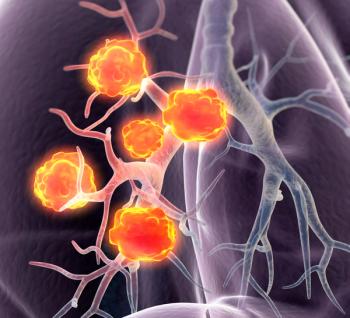
Patients with treatment-naïve metastatic non–small cell lung cancer who received either sintilimab or pembrolizumab monotherapy, or either agent combined with chemotherapy, experienced comparable outcomes.

Four subgroups of patients with MET exon 14 skipping non–small cell lung cancer demonstrated unique signaling pathways and significant differentially-expressed genes.

Patients with stage III unresectable non–small cell lung cancer experienced a sustained progression-free survival benefit following treatment with consolidation sugemalimab.

Findings from the phase 2 NADIM trial reinforced the rationale for using neoadjuvant chemoimmunotherapy to treat patients with stage IIIA resectable non–small cell lung cancer based on differences between pathologic complete responders and non–pathologic complete responders

The phase 2 Neo-KAN study aims to determine if improved pathologic complete response rates with adagrasib alone or combined with immunotherapy for the neoadjuvant treatment of KRAS G12C–mutated non–small cell lung cancer are possible.

A challenging patient population with advanced non–small cell lung cancer and resistance to common immunotherapeutics appeared to derive promising benefit from treatment with eftilagimod alpha plus pembrolizumab.

The European Commission approved olaparib as monotherapy or in combination with endocrine therapy for patients with germline BRCA1/2-mutant, HER2-negative high-risk early breast cancer.

Patients with metastatic hormone-sensitive prostate cancer can now receive treatment with oral darolutamide plus docetaxel following its approval by the FDA.
Based on results from the phase 3 DESTINY-Breast04 trial, the FDA has approved fam-trastuzumab deruxtecan-nxki as an intravenous infusion for patients with unresectable or metastatic HER2-low breast cancer.

Acalabrutinib tablet formulation was approved by the FDA for patients with chronic lymphocytic leukemia/small lymphocytic leukemia and relapsed or refractory mantle cell lymphoma.

Supported by data from an ongoing phase 2 trial, the ROS1 inhibitor taletrectinib was granted breakthrough therapy designation for the treatment of certain patients with advanced or metastatic ROS1-positive non–small cell lung cancer.
Data from a substudy of the phase 3 VISION trial presented at 2022 ASCO Annual Meeting showed that higher standard mean uptake value by PSMA-PET is strongly associated with outcomes for patients with metastatic castration-resistant prostate cancer.
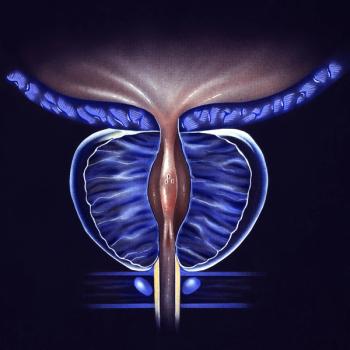
Results from the phase 3 KEYNOTE-921 trial showed the primary end points of overall survival and radiographic progression-free survival were not met despite a trend towards improvement following treatment with pembrolizumab and docetaxel in patients with metastatic castration-resistant prostate cancer.

Nicholas Coupe, MBBS, PhD, discusses promising preliminary findings from a phase 1/2 study assessing the use of IMM60 in patients with advanced melanoma and non–small cell lung cancer.
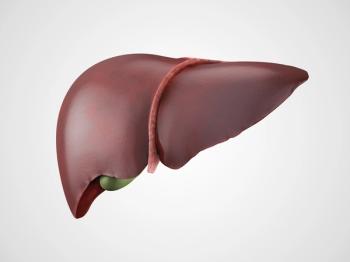
Although patients with unresectable hepatocellular carcinoma initially appeared to have survival benefit following treatment with pembrolizumab and lenvatinib vs lenvatinib alone, the findings did not meet statistical significance.
At 2022 ASCO, Roy S. Herbst, MD, PhD, spoke about the results of a Lung-MAP substudy showing benefit of ramucirumab plus pembrolizumab vs standard of care chemotherapy for patients with advanced non–small cell lung cancer who demonstrated resistance to prior immunotherapy.

Findings from the planned futility interim analysis of the phase 3 INTERLINK-1 trial has led to the study’s termination after monalizumab and cetuximab did not meet efficacy end points in recurrent or metastatic squamous cell carcinoma in the head and neck.
Results from the phase 3 IMscin001 trial indicated that atezolizumab given subcutaneously vs intravenously yielded non-inferior pharmacokinetics for patients with immunotherapy-naïve locally advanced or metastatic non–small cell lung cancer.

Development on CYAD-101 as a treatment for patients with refractory/metastatic colorectal cancer continues after the FDA has lifted a clinical hold on the phase 1b CYAD-101-002 trial.
At 2022 ASCO, Tanios S. Bekaii-Saab, MD, reviews the MOUNTAINEER trial of trastuzumab plus tucatinib for HER2-positive metastatic colorectal cancer and foreshadows how an approved regimen may help improve outcomes in this patient population.
Based on results from a phase 3 trial, the FDA has accepted a biologics license application for and granted priority review to omidubicel for those with hematologic malignancies who require allogenic hematopoietic stem cell transplant.

Patients with stage III non–small cell lung cancer and baseline grade 1 radiation pneumonitis post-chemotherapy could benefit from treatment with durvalumab.