
In this Q&A we examine Right-to-Try drug laws and discuss tips for clinicians with terminally ill patients who have exhausted all their therapy options.
In this Q&A we examine Right-to-Try drug laws and discuss tips for clinicians with terminally ill patients who have exhausted all their therapy options.

Most adolescent and young adult survivors of Hodgkin lymphoma did not receive the recommended care within the first year post-treatment, according to a study.
A randomized trial showed that personalized care plans and one-on-one counseling can improve adherence to survivorship plans among low-income breast cancer survivors.
An Egyptian study found that bladder cancer patients who underwent radical cystectomy had better local recurrence-free survival with adjuvant radiotherapy and chemotherapy combined, compared with chemotherapy alone.
The use of a reduced preparation CT colonography increased participation in colonography as a method of population screening for colorectal cancer, according to the results of a large Italian study.
A three-arm trial found that one hypofractionation radiotherapy regimen was non-inferior to conventional RT for intermediate-risk prostate cancer patients.
A study of female cancer survivors found that almost half experience CIPN symptoms years after completing their cancer treatment.
A hypofractionated radiotherapy regimen was found to be noninferior to conventional fractionation for low-risk prostate cancer patients in a new randomized phase III trial.
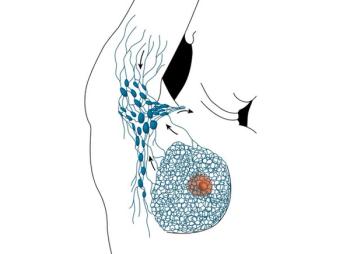
In this slide show we take a look back at the past year in cancer news and research, with some of our most read stories of 2015 including new immunotherapy approvals, a look at the overtreatment of DCIS, a study on fish oil and chemoresistance, and more.
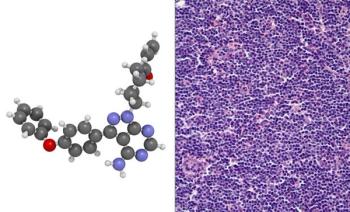
This slide show highlights the 2015 FDA approvals of cancer treatments, which included therapies for melanoma, RCC, sarcoma, and lung, breast, and pancreatic cancers, as well as various hematologic malignancies.
More than half of hematologists providing care to patients with hematologic malignancies reported initiating end-of-life conversations too late in the course of the patient’s disease.
Administering pharmacological prophylaxis against venous thromboembolism (VTE) did not decrease the occurrence of VTE in patients treated with robotic partial nephrectomy, and it did not increase the rate of hemorrhagic events.

Former President Jimmy Carter, who is being treated for metastatic malignant melanoma, announced that a follow-up scan revealed that four brain metastases were gone. Several headlines described the president as being “cancer free,” a choice of words that must be interpreted with caution.
Patients diagnosed with non-small-cell lung cancer (NSCLC) at a younger age are far more likely to harbor a targetable genomic alteration than older patients.
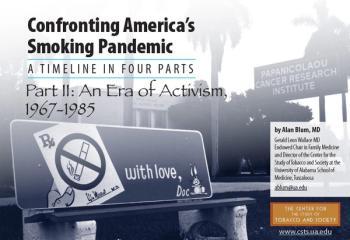
Dr. Alan Blum and Cancer Network have partnered to assemble a four-part slideshow series addressing the history of America’s smoking pandemic. Part 2 highlights the rise of tobacco awareness, and anti-smoking activism and legislation.
This review outlines the diagnostic and therapeutic challenges associated with the increased number of screen-identified indeterminate lung nodules, highlighting currently recommended follow-up and management algorithms, as well as the various methods of nodule localization, tissue diagnosis, and definitive local therapeutic modalities.
This article provides an overview of the current state of knowledge pertaining to exercise modulation of the inflammation-immune axis in cancer. The current evidence suggests that exercise may be a promising adjunctive strategy that can favorably alter numerous components of the immune system, which, in turn, may modulate tumorigenesis.
Survivorship care is “a distinct phase of care for cancer survivors that includes four components: (1) prevention and detection of new cancer or recurrent cancer; (2) surveillance for cancer spread, recurrence, or second cancers; (3) intervention for consequences of cancer and its treatment; and (4) coordination between specialists and primary care providers to ensure that all of the survivor’s health needs are met.”

This interview discusses the importance of discussing end-of-life issues with patients.
Exercise at the right dosage could provide a potent stimulus for acute changes and long-term adaptations in numerous biological pathways that influence tumorigenesis.
Radiologic screening for lung cancer had a long and unsuccessful history until the advent of low-dose computed tomography (CT) screening and the completion of the National Lung Screening Trial, which demonstrated an improvement in lung cancer–specific mortality in a high-risk population.

Women with early-stage breast cancer treated with breast-conserving therapy had significantly improved 10-year overall survival compared with women who underwent mastectomy without radiation therapy.

Finding personal interests to discuss with your patient won’t make it all better. but it only takes a moment to find a sliver of common ground, something to make you two humans trying to fix a problem.
The US Food and Drug Administration granted approval to uridine triacetate (Vistogard) as a treatment for overdose of fluorouracil or capecitabine, which are administered for a number of malignancies.
The combination of radiation therapy plus cetuximab had higher rates of acute toxicity among patients with locally advanced squamous cell carcinoma of the head and neck compared with radiation therapy plus cisplatin.
Patients with metastatic or unresectable urothelial carcinoma who are treated with either carboplatin or cisplatin have high rates of vascular thromboembolic events.
As the lead caregiver at the bedside, the oncology nurse plays a pivotal role in preventing missteps in end-of-life care decisions and ensuring that providers carry out the wishes of patients and families.
Warfarin is an acceptable alternative to low-molecular-weight heparin for patients with cancer-associated thrombosis, according to a new study.
A new study validates therapeutic guidelines that recommend anticoagulant dose reductions for thrombocytopenia in cancer patients.
Both radiofrequency ablation and stereotactic body radiotherapy are effective in the treatment of inoperable, non-metastatic hepatocellular carcinoma.