T-DXd and Dato-DXd are now approved treatments in Japan for patients with breast cancer.
Miami Breast Cancer Conference® Abstracts Supplement
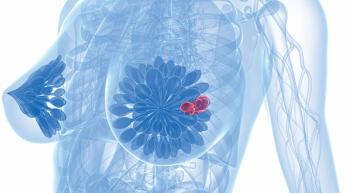
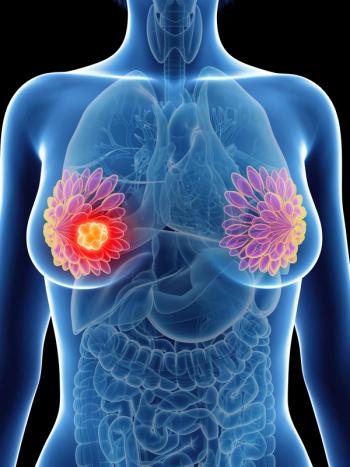
Explore how breast cancer stem cell plasticity, epigenetic reprogramming, and single-cell insights drive therapy resistance, revealing new targets to improve durable responses.
One of the main causes of disease recurrence and mortality in breast cancer treatment is therapeutic resistance, which continues to be a significant challenge. A growing body of research suggests that the self-renewal ability and phenotypic flexibility of breast cancer stem cells are key in mediating resistance to cytotoxic, endocrine, and targeted therapy.
With a focus on genomic regulation, epigenetic reprogramming, and discoveries from single-cell sequencing research, this review of the literature summarizes current data on breast cancer stem cell biology and treatment resistance. Resistance linked to stem-like tumor populations is often mediated by adaptive transcriptional and epigenetic programs rather than fixed genetic changes, according to developments in cancer genomics. Under treatment, tumor cells can take on stem-like characteristics thanks to epigenetic plasticity, transcriptional reprogramming, and stress-induced chromatin remodeling. The coexistence of several resistant states inside individual tumors has been highlighted by high-resolution genomic and single-cell investigations, which have also shown significant heterogeneity within stem-like compartments.
Combining genomic insights with stem cell biology offers an approach for studying the cause of treatment resistance in breast cancer. Understanding the molecular mechanisms governing the flexibility of breast cancer stem cells could help create methods to break adaptive resistance and enhance long-lasting therapeutic responses.