![“[E]ven if patients relapse following an allogeneic transplant, donor lymphocyte infusions can be incredibly helpful,” said Mary Jo Lechowicz, MD.](https://cdn.sanity.io/images/0vv8moc6/cancernetwork/06df696db42b151710c58727b1333ee098de6453-1200x800.jpg?w=350&fit=crop&auto=format)
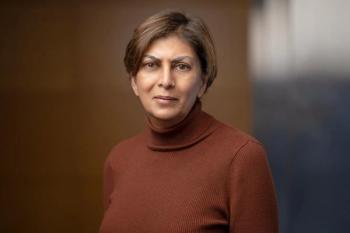
“[E]ven if patients relapse following an allogeneic transplant, donor lymphocyte infusions can be incredibly helpful,” said Mary Jo Lechowicz, MD.
In a phase 1b/2 trial, epcoritamab plus bendamustine/rituximab produced a 96% complete response rate in patients with untreated follicular lymphoma.
Epcoritamab (Epkinly) plus bendamustine and rituximab (Rituxan; BR) produced deep, durable responses beyond 3 years in patients with previously untreated follicular lymphoma, according to results from arm 3 of the phase 1b/2 EPCORE NHL-2 trial (NCT04663347) published in HemaSphere.1
The primary end point of investigator-assessed overall response rate (ORR) was met, with an ORR of 96% (95% CI, 80%-100%). The complete response (CR) rate also reached 96% (95% CI, 80%-100%), as no patients achieved only a partial response; 1 patient (4%) experienced disease progression (PD) as their best response. The median time to response and time to CR were both 1.5 months (range, 1.1-2.6; range, 1.1-5.6), corresponding with the first scheduled assessment.
High CR rates were observed across high-risk subgroups, including 100% (n = 7/7) in patients with bulky disease (≥7 cm), 93% (n = 13/14) in patients with a Follicular Lymphoma International Prognostic Index (FLIPI) score of 3 or higher, and 100% (n = 12/12) in patients with bone marrow involvement. At a median follow-up of 41.3 months, the median duration of CR was not reached (NR; 95% CI, 37.7-NR), and an estimated 87% of responders maintained a CR at 3 years.
The median progression-free survival (PFS) was also NR (95% CI, 39.2-NR), with a 3-year PFS rate of 83%; the median overall survival (OS) was NR (95% CI, NR-NR), with a 3-year OS rate of 96%. Three patients (12%) experienced PD within 24 months of treatment initiation and were the only patients who received subsequent antilymphoma therapy during the study.
All 25 patients experienced at least 1 treatment-emergent adverse effect (TEAE), and grade 3 or higher TEAEs occurred in 92% of patients. The most common any-grade TEAEs were COVID-19 (84%), cytokine release syndrome (CRS; 68%), nausea (64%), injection-site reaction (56%), fatigue (52%), neutropenia (52%), and serious infection (52%). The most common grade 3 or higher TEAEs were serious infection (44%), including COVID-19 (24%) and neutropenia (40%). Serious TEAEs occurred in 72% of patients.
All CRS events were grade 1 to 2 and resolved in all patients; the median time to first onset was 16 days (range, 6-29) and median time to resolution was 2 days (range, 1-7). No immune effector cell-associated neurotoxicity syndrome (ICANS) or clinical tumor lysis syndrome events were reported. Infections occurred in 92% of patients. Four patients (16%) developed a secondary primary malignancy, and 1 patient (4%) died of COVID-19-related respiratory failure.
“Given the potential toxicity of treatment with bendamustine, physicians should carefully consider which patients are most likely to benefit from this combination. Additional studies evaluating [frontline follicular lymphoma] treatment regimens that include epcoritamab are currently underway, including chemotherapy-free and doublet treatment approaches. This study, along with historical evidence, suggests that epcoritamab represents a key therapy to improve outcomes in B-cell [non-Hodgkin lymphoma],” Umberto Vitolo, MD, head of hematology clinical trials at Candiolo Cancer Institute in Piedmont, Italy, wrote in the publication with study coinvestigators.
EPCORE NHL-2 is a phase 1b/2, open-label, multicenter, multicohort dose-escalation and dose-expansion trial evaluating epcoritamab alone or in combination with standard therapies in patients with B-cell non-Hodgkin lymphoma. In arm 3, 25 patients with previously untreated grade 1 to 3A follicular lymphoma received epcoritamab plus BR for six 28-day cycles, followed by epcoritamab monotherapy for up to 2 years.
Epcoritamab was administered subcutaneously once weekly as a 2 step-up dosing regimen in cycle 1, followed by full 48-mg doses weekly through cycle 3, every 2 weeks in cycles 4 through 9, and every 4 weeks from cycle 10 through the 2-year maximum treatment duration. Bendamustine at 90 mg/m2 was given on days 1 and 2 of each cycle, and rituximab at 375 mg/m2 was given on day 1 of cycles 1 through 6.
Patients were enrolled between March 2021 and November 2021. Key eligibility criteria included previously untreated, CD20-positive follicular lymphoma grade 1-3A, measurable disease, an Eastern Cooperative Oncology Group performance status of 0 to 2, and a need for treatment due to symptoms and/or disease burden per Groupe d'Etude des Lymphomes Folliculaires criteria. The median age was 56 years (range, 32-80), 56% of patients had a FLIPI score of 3 to 5, 28% had bulky disease, and all patients had Ann Arbor stage III or IV disease.
The primary end point of the study was investigator-assessed ORR per Lugano criteria. Secondary end points included CR rate, time to response, time to CR, duration of CR, PFS, OS, and safety/tolerability.
The authors noted that, as a nonrandomized, single-arm study with a small sample size, the trial has limited ability to draw definitive comparisons with BR alone or other frontline regimens, and immunophenotyping data were not collected beyond cycle 7, limiting conclusions about T-cell recovery during epcoritamab monotherapy.
Vitolo U, Falchi L, Andersson P-O, et al. First-line treatment with epcoritamab in combination with bendamustine plus rituximab induces sustained remissions beyond 3 years in patients with follicular lymphoma. HemaSphere. Published online August 4, 2026. doi:10.1002/hem3.70443