

Opinion|Videos|June 29, 2026
ASCENT-07 and Triple-Negative Breast Cancer Advances
Dr. Nunnery discusses ASCENT-07, which moved SG earlier in the treatment sequence for HR-positive disease, allowing patients progressing on endocrine therapy to receive the ADC immediately rather than requiring intervening chemotherapy. Surprisingly, this frontline comparison against standard chemotherapy yielded negative results without statistically significant PFS improvement.
Advertisement
Episodes in this series

Dr. Nunnery discusses ASCENT-07, which moved SG earlier in the treatment sequence for HR-positive disease, allowing patients progressing on endocrine therapy to receive the ADC immediately rather than requiring intervening chemotherapy. Surprisingly, this frontline comparison against standard chemotherapy yielded negative results without statistically significant PFS improvement.
Dr. Iyengar expresses puzzlement at the negative ASCENT-07 results, questioning whether the incremental benefit of SG versus standard chemotherapy in the upfront setting was too small for statistical detection. This contrasts with T-DXd's proven efficacy from DESTINY-Breast06 in the frontline post-endocrine therapy setting.
For HER2-null patients ineligible for T-DXd, the approach involves chemotherapy before accessing TROP2-targeted ADCs. Dr. Nunnery favors oral capecitabine for its convenience, familiar administration route for patients accustomed to oral endocrine therapy, and absence of alopecia concerns.
Shifting to triple-negative breast cancer (TNBC), the panel discusses exciting developments with multiple ADC options emerging from recent trials. ASCENT-03 studied SG versus standard chemotherapy in frontline metastatic TNBC for patients ineligible for immunotherapy (typically PD-L1 negative), demonstrating significant PFS benefit.
ASCENT-04 evaluated SG combined with pembrolizumab versus standard chemotherapy plus pembrolizumab for PD-L1 positive patients eligible for immunotherapy, also showing significant PFS improvement.
Dr. Nunnery emphasizes the clinical significance of improving first-line therapy duration for patients with TNBC, who historically experience worse long-term outcomes. Any advancement in frontline disease control represents meaningful progress for this challenging patient population.
Advertisement
Related to this article

“When we give the most effective therapy at the time of new diagnosis, we get the most value out of the effort and time that we and our patients are spending,” said Neeraj Agarwal, MD, FASCO.

An aglatimagene besadenovec-based radiotherapy combination increased intratumoral lymphocyte fraction in intermediate- to high-risk localized prostate cancer.

The ROADS investigators reported no differences between cesium-131 tile-based radiation therapy and SRT in quality of life, functional status, or neurocognitive function.
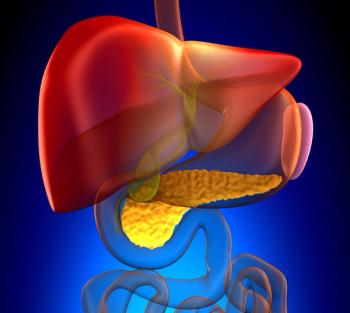
William A. Hall, MD, discussed the SOFT Preop study of preoperative SBRT vs conventional chemoradiation for pancreatic adenocarcinoma.
Chih-Yi “Andy” Liao, MD, discusses how oncologists are sequencing pemigatinib, futibatinib, and lirafugratinib and how their tolerability differs.

“It should be protocol that 100% of your patients with metastatic prostate cancer get germline testing. Full stop. No exceptions,” said Neal D. Shore, MD, FACS.
Chih-Yi “Andy” Liao, MD, discusses the FDA approval of lirafugratinib and what the field has learned about resistance to FGFR2 inhibitors.

In the phase 3 NRG-CC009 trial, SRS led to longer overall survival vs HA-WBRT plus memantine with similar neurocognitive failure in SCLC brain metastases.
Advertisement
Advertisement
Trending on CancerNetwork
1
BCMA/GPRC5D CAR T-Cell Therapy Shows Early Efficacy in R/R Multiple Myeloma
2
Multimodal Biopsy Combo Shows Low Morbidity in Suspected Prostate Cancer
3
Aglatimagene Combo Shows Sustained Immune Remodeling in Prostate Cancer
4
SBRT Matches Chemoradiation, Preserves QOL Before Pancreatic Surgery
5