In a phase 1 trial of patients with platinum-sensitive high-grade ovarian cancer, a personalized neoantigen vaccine plus nivolumab caused no unexpected safety signals.
In a retrospective cohort study, neoadjuvant chemoimmunotherapy produced a deep pathologic response in 67.0% of patients with resectable HNSCC.
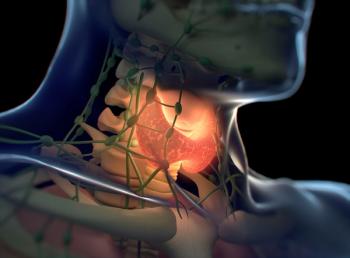
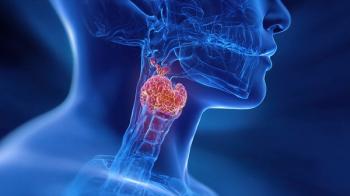
Neoadjuvant chemoimmunotherapy (NACI) was associated with substantially higher rates of pathologic complete response (pCR) and major pathologic response (MPR) compared with neoadjuvant immunotherapy (NAI) alone in patients with resectable head and neck squamous cell carcinoma (HNSCC), according to results from a single-center retrospective cohort study published in JAMA Otolaryngology–Head & Neck Surgery.
Among 86 patients treated at Mount Sinai Health System, a deep pathologic response, defined as pCR or MPR, occurred in 67.0% of NACI recipients (n = 39/58; 95% CI, 54%-78%) compared with 3.6% of NAI recipients (n = 1/28; 95% CI, 0.6%-17.7%). Overall, 19% of patients (n = 25; 95% CI, 21%-39%) achieved a pCR and 17% (n = 15; 95% CI, 11%-27%) achieved an MPR across the full cohort. In propensity score–adjusted analysis accounting for sex, smoking status, anatomic subsite, preinduction clinical stage, and recurrence status, NACI remained associated with higher odds of a deep response (OR, 29.1; 95% CI, 6.7-274.7), including for primary tumor deep response (OR, 20.7; 95% CI, 6.3-88.1) and lymph node deep response (OR, 9.1; 95% CI, 2.7-39.1).
Among patients with HPV-associated oropharyngeal cancers, 66% of NACI recipients (n = 19/29; 95% CI, 47%-80%) achieved a deep response vs 5.5% of NAI recipients (n = 1/18; 95% CI, 1.0%-25.8%). Among NACI recipients, deep response rates reached 88% (95% CI, 66%-97%) in patients with a PD-L1 combined positive score of 20 or higher.
Both regimens were generally well tolerated, with few adverse event–related delays to surgery. Three patients (3.5%) received only 1 dose of therapy due to toxicity––due to anemia, neutropenia with colitis, and transaminitis with odynophagia and angioedema in 1 patient each––and 2 patients (2.3%) had surgery delayed by treatment-related toxic effects.
“Both unadjusted rates and propensity score–adjusted models demonstrated increased rates of deep pathologic response with NACI when compared with NAI, consistent with findings from prior meta-analyses,” Scott A. Roof, MD, a head and neck oncologic and reconstructive surgeon at the Head and Neck Institute at Mount Sinai, and study coauthors wrote in the publication.
Patients were included if they had pathologically confirmed HNSCC of the aerodigestive tract and received at least 1 cycle of NAI or NACI followed by definitive surgery between July 19, 2024, and March 4, 2026, in an off-trial setting. The standard-of-care NAI regimen was intravenous pembrolizumab at 200 mg alone; NACI incorporated a taxane- and platinum-based regimen, most commonly docetaxel plus cisplatin, alongside pembrolizumab, typically over 2 cycles 3 weeks apart, with surgery 2 to 3 weeks after the final dose.
The primary end point was pathologic response, categorized as pCR (0% viable tumor), MPR (1%-10%), partial response (more than 10%), or no response, and graded separately for the primary tumor and lymph node specimens.
The authors noted limitations, including the study’s observational, single-center design. Additionally, variability in treatment doses, a lack of blinding during pathologic review, and an absence of a standardized framework for assigning patients to NAI vs NACI posing a risk of selection bias, were identified as limitations.
The findings aligned with a recent meta-analysis of 23 studies reporting pooled MPR plus pCR rates of 6% (95% CI, 3%-9%) for single-agent immunotherapy vs 66% (95% CI, 58%-73%) for chemoimmunotherapy, and with the phase 2 Illuminate trial (NCT04473716), in which 2 doses of NACI produced at least an MPR in 60% (95% CI, 36%-80%) of patients with resectable oral squamous cell carcinoma.2,3 The authors called for prospective phase 3 trials to determine whether the pathologic response benefit of NACI translates into improved survival.