

Opinion|Videos|November 26, 2026
Clinical Scenario: CELMoD Therapy for High-Risk and Extramedullary Multiple Myeloma
In this segment, Dr. Joseph Mikhael and Dr. Paul Richardson discuss treatment considerations for a 69-year-old woman with high-risk cytogenetics and multiple myeloma who has progressed after quadruplet induction, autologous stem cell transplantation, dual maintenance, and subsequent lines of therapy.
Advertisement
In this segment, Dr. Joseph Mikhael and Dr. Paul Richardson discuss treatment considerations for a 69-year-old woman with high-risk cytogenetics and multiple myeloma who has progressed after quadruplet induction, autologous stem cell transplantation, dual maintenance, and subsequent lines of therapy. At second relapse, she has received most major drug classes, is daratumumab-refractory, and has developed extramedullary disease without prior BCMA-directed therapy. Dr. Richardson distinguishes the available evidence for CELMoDs, highlighting phase 3 data for iberdomide and mezigdomide while noting that other agents remain at earlier stages of development. He discusses the activity of mezigdomide-based combinations in extramedullary disease, including findings from studies combining mezigdomide with carfilzomib, and identifies clinical trials or expanded-access programs as potential options. For patients unable to access mezigdomide, he considers the available evidence for iberdomide combined with proteasome inhibitors, particularly bortezomib, while acknowledging limitations in the evidence and potential access challenges. The segment concludes with a recap of MRD negativity as a prognostic and emerging regulatory endpoint, the evolving role of CELMoDs, and the need for further research in high-risk and extramedullary multiple myeloma.
Advertisement
Related to this article

A national analysis found counties without a local gastrointestinal or hepatobiliary cancer surgeon had higher colorectal, pancreatic, and hepatobiliary cancer mortality.

Jan Franko, MD, PhD, FACS, explained why time is the biggest cost of traveling for cancer care, and why days spent at home should be measured as a marker of quality.
Alice Shaw, MD, PhD, discusses the timing of neladalkib hepatotoxicity, how often to check liver tests, and how she manages transaminase elevations.

Neeta Somaiah, MD, discussd PEAK exon 9 and crossover data, adverse effect management, and sequencing for newly approved bezuclastinib/sunitinib in GIST.

The decision permits use of the EXTENT system to track monoclonal proteins over time, including from initial diagnosis to ongoing disease management.
Alice Shaw, MD, PhD, explains how to read the 2 neladalkib indications and which patients with ALK-positive NSCLC she would treat first.

Adding bezuclastinib to sunitinib may lead to additional responses after initial progression on sunitinib monotherapy, according to Neeta Somaiah, MD.
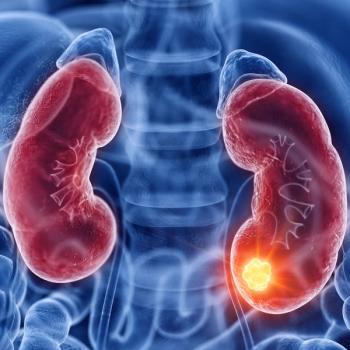
In a phase 1/2 pilot study, seleno-L-methionine plus axitinib and pembrolizumab yielded a 70% ORR in treatment-naive metastatic clear cell RCC.
Advertisement
Advertisement
Trending on CancerNetwork
1
FDA Clears Expanded Indication for Monitoring Tool in Multiple Myeloma, WM
2
Treatment Sequencing After BCMA-Directed Therapy in Relapsed/Refractory Multiple Myeloma
3
PEAK Exon 9 and Crossover Data Inform Use of Approved Bezuclastinib in GIST
4
Investigational IKZF1/3 Degraders in Relapsed/Refractory Multiple Myeloma
5