

Opinion|Videos|February 7, 2025
Data and Expert Considerations Supporting Cilta-cel as Second-Line Treatment for Robert
This video episode explores treatment decisions for second-line therapy in a patient with age and comorbidities, reviews cilta-cel data from the CARTITUDE trials, and discusses clinical experience with cilta-cel, emphasizing efficacy, quality of life, and adaptations for complex patient profiles.
Advertisement
Episodes in this series
Video content above is prompted by the following:
- Considering Robert's age and comorbidities, what factors influence your treatment decision for second-line therapy?
- What other second-line options would you consider, and why? How do you approach the decision between CAR-T therapy and other novel agents in the second-line setting?
- Let's review the data supporting cilta-cel in the second-line setting?
- What key findings from the CARTITUDE trials inform your decision to use cilta-cel in second-line treatment?
- How do these results compare to other second-line options for multiple myeloma in this patient population?
- Discuss your experience using cilta-cel in the second-line setting:
- What benefits have you observed in terms of efficacy and quality of life across different patient groups?
- Are there any specific considerations or adaptations you make when treating patients with comorbidities like Robert's?
Advertisement
Related to this article

William A. Hall, MD, discussed how preoperative SBRT may serve as a platform for novel systemic therapies in pancreatic adenocarcinoma.
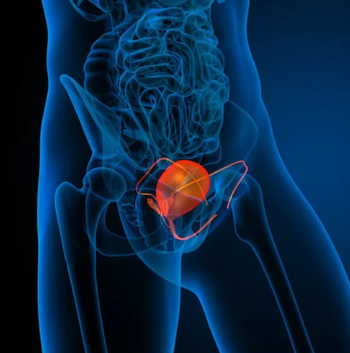
At 8 years, SBRT and radical prostatectomy had similar disease control in the PACE-A trial, with less urinary incontinence after SBRT.

Chih-Yi “Andy” Liao, MD, discusses early clinical data for KRAS G12C and G12D inhibitors in cholangiocarcinoma, noting that trials are just getting started.

“When we give the most effective therapy at the time of new diagnosis, we get the most value out of the effort and time that we and our patients are spending,” said Neeraj Agarwal, MD, FASCO.

An aglatimagene besadenovec-based radiotherapy combination increased intratumoral lymphocyte fraction in intermediate- to high-risk localized prostate cancer.

The ROADS investigators reported no differences between cesium-131 tile-based radiation therapy and SRT in quality of life, functional status, or neurocognitive function.
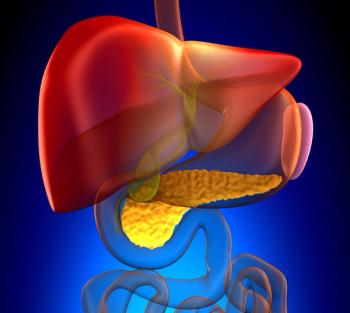
William A. Hall, MD, discussed the SOFT Preop study of preoperative SBRT vs conventional chemoradiation for pancreatic adenocarcinoma.

Chih-Yi “Andy” Liao, MD, discusses how oncologists are sequencing pemigatinib, futibatinib, and lirafugratinib and how their tolerability differs.
Advertisement
Advertisement
Trending on CancerNetwork
1
Aglatimagene Combo Shows Sustained Immune Remodeling in Prostate Cancer
2
What Does TALAPRO-3 Mean for Frontline Treatment of HRR-Altered mHSPC?
3
SBRT Matches Chemoradiation, Preserves QOL Before Pancreatic Surgery
4
Tile-Based Radiation Improves Surgical Bed Recurrence in Brain Metastases
5