
Opinion|Videos|August 12, 2026
Expert Perspectives on Sequencing BCMA-Directed Therapies in Relapsed/Refractory Multiple Myeloma
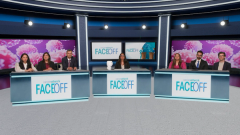
Following the presentation of the real-world sequencing analysis, the faculty discuss how these findings align with their own clinical experience treating relapsed/refractory multiple myeloma (R/R MM).
Advertisement
Episodes in this series
Following the presentation of the real-world sequencing analysis, the faculty discuss how these findings align with their own clinical experience treating relapsed/refractory multiple myeloma (R/R MM). Dr. Harsh Parmar, Dr. Ridhi Gupta, and Dr. Prashant Kapoor explore the factors that influence sequencing decisions after prior BCMA-directed therapy, emphasizing that treatment selection must be individualized based on disease biology, prior therapy, pace of relapse, patient fitness, and treatment goals. The panel discusses the potential challenges of sequential BCMA-directed therapy, including T-cell exhaustion and antigen loss, while highlighting situations in which switching therapeutic targets, enrolling patients in clinical trials, or using alternative bridging strategies may be appropriate. Faculty also underscore the importance of early referral to myeloma specialists, shared decision-making, and thoughtful patient counseling regarding the benefits, risks, and logistical considerations associated with CAR-T cell therapy and BCMA bispecific antibodies. The discussion concludes by acknowledging that optimal sequencing remains an evolving area of investigation as new evidence continues to emerge in relapsed/refractory multiple myeloma.
Advertisement
Related to this article
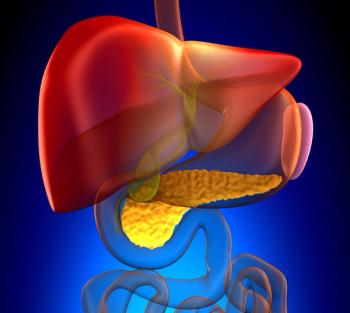
William A. Hall, MD, discussed the SOFT Preop study of preoperative SBRT vs conventional chemoradiation for pancreatic adenocarcinoma.

Chih-Yi “Andy” Liao, MD, discusses how oncologists are sequencing pemigatinib, futibatinib, and lirafugratinib and how their tolerability differs.
“It should be protocol that 100% of your patients with metastatic prostate cancer get germline testing. Full stop. No exceptions,” said Neal D. Shore, MD, FACS.
Chih-Yi “Andy” Liao, MD, discusses the FDA approval of lirafugratinib and what the field has learned about resistance to FGFR2 inhibitors.

In the phase 3 NRG-CC009 trial, SRS led to longer overall survival vs HA-WBRT plus memantine with similar neurocognitive failure in SCLC brain metastases.

In a phase 1 first-in-human trial, BMS-986453 showed a favorable safety profile and high response rates in relapsed/refractory multiple myeloma.
Ayal Aizer, MD, MHS, discusses patients for whom single-fraction SRS may remain reasonable after brain metastasis resection.
Extended belantamab mafodotin dosing intervals were associated with maintained vision-related function in the phase 1 DREAMM-9 study.
Advertisement
Advertisement
Trending on CancerNetwork
1
Multimodal Biopsy Combo Shows Low Morbidity in Suspected Prostate Cancer
2
BCMA/GPRC5D CAR T-Cell Therapy Shows Early Efficacy in R/R Multiple Myeloma
3
Integrating Talazoparib Plus Enzalutamide Into HRR-Mutated mHSPC Care
4
Proton Therapy Does Not Improve Survival in Hepatocellular Carcinoma
5