

Opinion|Videos|February 28, 2025
Frontline Treatment and Molecular Testing in Upper GI Cancer: Precision-Guided Therapy
Experts discuss frontline treatment options for advanced upper gastric adenocarcinoma, molecular testing methods, challenges encountered, and how test results influence the choice of systemic therapy for patients.
Advertisement
Episodes in this series
Video content above is prompted by the following:
- Before we dive in, could you briefly provide an overview of frontline treatment options for patients with advanced upper gastric adenocarcinoma?
- When do you perform molecular testing, and what choice of testing method do you use?
- What are some challenges that you have encountered?
- How do the results influence the choice of systemic therapy in this patient?
Advertisement
Related to this article
The phase 3 EXCALIBER-RRMM trial supports iberdomide plus daratumumab and dexamethasone as a new standard of care in relapsed/refractory multiple myeloma.

C. Ola Landgren, MD, PhD, discusses disparities in myeloma care access between academic and community practices and how his center works to bridge that gap.
Hans C. Lee, MD, discussed how he monitors patients with multiple myeloma who achieve deep, sustained MRD negativity after coming off therapy.

No new safety signals were observed with the daratumumab regimen after an additional 3 years of follow-up in the phase 3 PERSEUS study.

Ethan B. Ludmir, MD, discussed neoadjuvant radiation, advanced treatment techniques, the HYPERION CCA trial, and lirafugratinib in cholangiocarcinoma.
In the phase 3 CERVINO trial, etentamig showed an early overall survival signal in patients with triple-class exposed relapsed/refractory multiple myeloma.

In the phase 2 IBEX trial, iberdomide plus subcutaneous daratumumab post-transplant maintenance improved MRD status in patients with multiple myeloma.
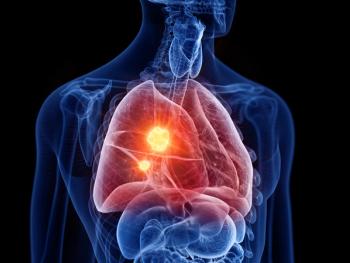
Three nurses discuss the differences in the care and education required for patients with first-line EGFR-mutated non–small cell lung cancer.
Advertisement
Advertisement
Trending on CancerNetwork
1
Subcutaneous Pembrolizumab Approved in Japan for All Tumor Indications
2
Acting on a HER2 Result and Navigating Access to Therapy
3
The Case for Frontline Zongertinib in HER2-Mutant NSCLC
4
Emerging Endocrine Doublets and Serial ESR1 Testing in HR+/HER2− mBC
5