
Opinion|Videos|July 22, 2026 (Updated: July 22, 2026)
Managing Patient Preferences and Expectations in Frontline EGFR-Mutant NSCLC
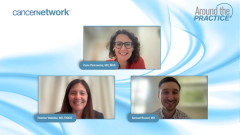
This segment turns from data to the patient conversation, focusing on the preconceptions people bring to treatment decisions.
Advertisement

This segment turns from data to the patient conversation, focusing on the preconceptions people bring to treatment decisions. The faculty discuss how many patients arrive determined to avoid chemotherapy, or especially worried about visible effects such as rash, and how clinicians can meet those concerns with education rather than simply defer to them. A central point is that modern first-line chemotherapy is often better tolerated than patients expect from older experiences, while the chemotherapy-free combination carries its own substantial, if different, burden and can demand a near full-time commitment to preventive skin and supportive care. The panel describes weighing disease biology and risk features alongside the patient's life circumstances, preferences, and practical constraints such as travel, cost, and adherence capacity. The discussion underscores that these are often multi-visit conversations requiring time, clear communication, and genuine shared decision-making to reach the right individualized choice.
Advertisement
Related to this article

Erik Bengtsen, MD, discussed meaning-centered therapy at the bedside, framing psychiatry referrals, and a more humanistic approach to care.
Erik Bengtsen, MD, described what sets psycho-oncology apart and how clinicians can open conversations on body image and sexual health.
Advertisement
Advertisement
Trending on CancerNetwork
1
Ivonescimab Combo Improves Survival in Advanced Biliary Tract Cancer
2
Osimertinib/Savolitinib Improves Survival in MET-Altered EGFR-Mutant NSCLC
3
FDA Approves Talazoparib/Enzalutamide for HRR Gene-Altered Metastatic Prostate Cancer
4
Exploring The Use of GLP-1 Receptor Agonists in Breast Cancer Care
5