Daniel C. McFarland, DO, and Yesne Alici, MD, discussed medical aid in dying in cancer care, New York’s safeguards, and the role of psycho-oncology.

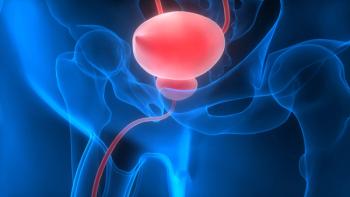
Experts discuss how checkpoint inhibitors, cystectomy, and other treatment modalities fit into the current landscape for non–muscle-invasive bladder cancer.
In the newest episode of Oncology Decoded, hosts Manojkumar Bupathi, MD, MS; and Benjamin Garmezy, MD, convened with their colleagues Suzanne B. Merrill, MD, FACS; and Mark D. Tyson II, MD, MPH. They broke down the current treatment paradigm for those with non–muscle-invasive bladder cancer (NMIBC) by discussing how novel therapeutic modalities, patient selection criteria, and other practical considerations fit into effective clinical strategies.
The discussion began with an overview of the effectiveness and limitations associated with BCG and how findings from clinical trials such as the phase 3 KEYNOTE-676 (NCT03711032) and phase 3 POTOMAC (NCT03528694) studies may support novel treatment regimens that incorporate checkpoint inhibitors. The group discussed how immunotherapy agents such as pembrolizumab (Keytruda) may play important roles in the treatment of patients with NMIBC, especially in the event of BCG-unresponsive disease or BCG shortages.
Additionally, the experts spoke about forming effective collaborations between urologists and medical oncologists to optimally care for patients. Specifically, Merrill emphasized a dedicated team approach to check symptoms, process referrals, and handle other tasks when treating patients who are receiving immune checkpoint inhibitors for their diseases. The conversation concluded with the group emphasizing the development of novel treatment delivery systems across the NMIBC space, which may improve outcomes and positively affect patients from a quality-of-life perspective.
Bupathi and Garmezy are executive cochairs of the Genitourinary Cancer Research Executive Committee at Sarah Cannon Research Institute (SCRI). Additionally, Bupathi is president and medical oncologist with Rocky Mountain Cancer Centers, specializing in solid tumors and genitourinary cancers. Garmezy is the associate director of genitourinary research for SCRI and a medical oncologist at SCRI Oncology Partners, specializing in genitourinary cancers.
Merrill is a board-certified urologic surgeon at Colorado Urology. Tyson is a urologic oncologist with a subspecialty interest in bladder cancer at Mayo Clinic in Phoenix, Arizona.