

Opinion|Videos|March 27, 2026
Proactive Toxicity Management and Dose Modification in EGFR Mutated Metastatic Non-Small Cell Lung Cancer
In this segment, the discussion centers on proactive toxicity management strategies in EGFR mutated metastatic non-small cell lung cancer.
Advertisement
In this segment, the discussion centers on proactive toxicity management strategies in EGFR mutated metastatic non-small cell lung cancer. Dr. Rotow outlines practical approaches to preventing and managing dermatologic and other class related adverse events associated with EGFR targeted therapies. She emphasizes early patient education, structured prophylactic regimens, close follow up during treatment initiation, and prompt intervention to mitigate rash, dry skin, and nail changes. The importance of maintaining adherence through supportive care and setting expectations that treatment is a long term strategy is underscored.
Dr. Singhi then addresses dose interruptions and reductions, noting that treatment modifications are common in clinical practice. He highlights data suggesting that temporary dose interruptions or adjustments, particularly early in therapy, do not necessarily compromise progression free survival. The panel reinforces that preserving quality of life while maintaining efficacy is critical, and that thoughtful dose management supports sustainable, long term treatment in EGFR mutated metastatic non-small cell lung cancer.
Advertisement
Related to this article

“When we give the most effective therapy at the time of new diagnosis, we get the most value out of the effort and time that we and our patients are spending,” said Neeraj Agarwal, MD, FASCO.

An aglatimagene besadenovec-based radiotherapy combination increased intratumoral lymphocyte fraction in intermediate- to high-risk localized prostate cancer.

The ROADS investigators reported no differences between cesium-131 tile-based radiation therapy and SRT in quality of life, functional status, or neurocognitive function.
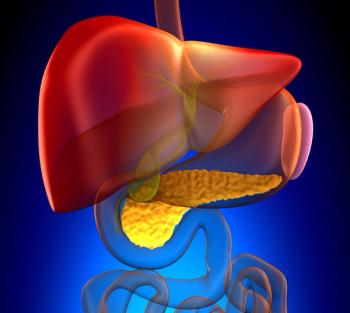
William A. Hall, MD, discussed the SOFT Preop study of preoperative SBRT vs conventional chemoradiation for pancreatic adenocarcinoma.

Chih-Yi “Andy” Liao, MD, discusses how oncologists are sequencing pemigatinib, futibatinib, and lirafugratinib and how their tolerability differs.

“It should be protocol that 100% of your patients with metastatic prostate cancer get germline testing. Full stop. No exceptions,” said Neal D. Shore, MD, FACS.
Chih-Yi “Andy” Liao, MD, discusses the FDA approval of lirafugratinib and what the field has learned about resistance to FGFR2 inhibitors.

In the phase 3 NRG-CC009 trial, SRS led to longer overall survival vs HA-WBRT plus memantine with similar neurocognitive failure in SCLC brain metastases.
Advertisement
Advertisement
Trending on CancerNetwork
1
BCMA/GPRC5D CAR T-Cell Therapy Shows Early Efficacy in R/R Multiple Myeloma
2
Aglatimagene Combo Shows Sustained Immune Remodeling in Prostate Cancer
3
Multimodal Biopsy Combo Shows Low Morbidity in Suspected Prostate Cancer
4
SBRT Matches Chemoradiation, Preserves QOL Before Pancreatic Surgery
5