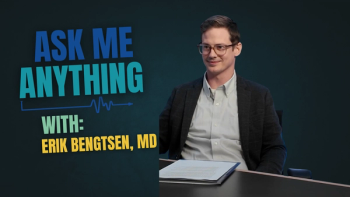
Erik Bengtsen, MD, discussed meaning-centered therapy at the bedside, framing psychiatry referrals, and a more humanistic approach to care.
Daniel C. McFarland, DO, and Ramy Sedhom, MD, discussed co-located psycho-oncology and palliative care, warm handoffs, and proactive distress screening.
In this episode of Oncology On the Go, Daniel C. McFarland, DO, spoke with Ramy Sedhom, MD, about how to build a cancer practice where symptom management and emotional support are part of routine oncology care rather than an outside referral.
Sedhom traced his approach to mentorship from Thomas Smith, MD, during his oncology fellowship at Johns Hopkins and to his palliative care training at Memorial Sloan Kettering Cancer Center. Noting that most patients with cancer receive treatment in their local communities, he described a model in which medical oncologists share clinical space with palliative care and psycho-oncology teams. That proximity, he explained, improves access and normalizes supportive care as a standard part of treatment. Using the example of a young mother newly diagnosed with triple-negative breast cancer, he walked through how a real-time message through the electronic medical record can bring a psychologist into the room for a warm handoff before the patient leaves the visit, often leading to ongoing therapy such as cognitive behavioral therapy.
McFarland emphasized that therapeutic presence and the ongoing patient-clinician relationship are healing, even though they are difficult to measure or reimburse. He described the use of shared medical visits in his practice and the value of weekly team meetings that include therapists, chaplains, and other staff. Both clinicians discussed proactive distress screening at regular intervals, which Sedhom said can reveal concerns patients may not otherwise raise. They also highlighted the prognostic uncertainty and anticipatory distress faced by patients living for years with EGFR-mutated lung cancer on oral targeted therapy such as osimertinib (Tagrisso), as well as the confusion that can follow a “good prognosis” diagnosis.
The conversation also covered lessons psychiatry can offer oncologists, including reframing difficult patient behavior, loosening control of the visit agenda, building rapport before having honest conversations, and accepting ambiguity to help prevent burnout. The two closed by considering whether a broad supportive care umbrella could unite palliative care, psychiatry, psychology, and other disciplines, with McFarland urging clinicians to set aside silos and professional egos for the benefit of patients.
McFarland is the director of the Psycho-Oncology Program at Wilmot Cancer Center and a medical oncologist who specializes in head, neck, and lung cancer, in addition to being the psycho-oncology editorial advisory board member for the journal ONCOLOGY®. co-lead of Geriatric Oncology at Penn Cancer Service Line; clinical director of Medical Oncology at Penn Medicine Princeton Health; associate director of Penn Center for Cancer Care Innovation; co-lead of Psychosocial Oncology Services at Penn Medicine Princeton Health; division chief in the Palliative Care Division of Medical Oncology; and a clinical associate professor of medicine (Hematology-Oncology).