

Opinion|Videos|March 10, 2025
Second-Line Treatment and Beyond
The Oncology Brothers, discuss how second-line treatment for bladder cancer typically involves immune checkpoint inhibitors (pembrolizumab, atezolizumab) after failure of platinum-based chemotherapy. For patients who are ineligible for immunotherapy, alternative chemotherapy regimens or targeted therapies may be used based on molecular profiling.
Advertisement
Advertisement
Related to this article

Dan Costin, MD, describes counseling his first patient on a personalized mRNA vaccine vs observation in the INTerpath-014 trial.

Jan Kitajewski, PhD, discussed how pooled expertise, pilot funding, and investigator support help move bench discoveries toward multicenter trials.
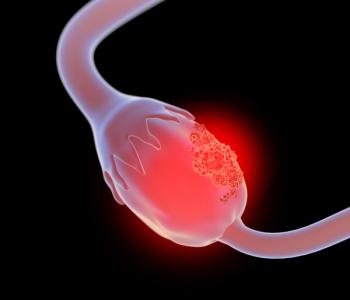
New analyses from the RAMP 201 trial demonstrated responses in KRAS wild-type recurrent LGSOC with avutometinib plus defactinib.
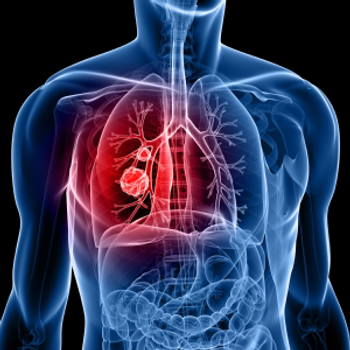
The phase 3 FURVENT trial showed an objective response rate benefit with firmonertinib in EGFR exon 20 insertion–mutant NSCLC.
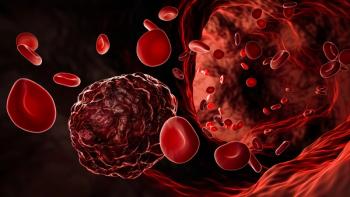
Adding fixed-duration epcoritamab to R-CHOP reduced the risk of progression or death by 51% in patients with newly diagnosed DLBCL.

Chirag Jain, MBBS, discussed onco-anxiology, a proposed framework for identifying and managing anxiety at each stage of the cancer journey.

Natalie S. Callander, MD, discussed the rationale for combining selinexor, carfilzomib, subcutaneous isatuximab, and dexamethasone in relapsed/refractory myeloma.

Melody Rasouli, MD, MBA, FACOG, explained why male fertility preservation information trails female content online and how cancer centers can fix it.
Advertisement
Advertisement
Trending on CancerNetwork
1
Expanding CAR T and Bispecific Antibody Research in HIV-Associated Lymphoma
2
Rinatabart Sesutecan Elicits Responses in PROC Regardless of FRα Expression
3
Why High-Risk Stage I NSCLC Needs a Post-Surgical Vaccine Option
4
How Emory Became the First Adopter of the Liberty Endovascular Robotic System
5