At SOHO 2026, experts highlighted new findings and advances across diseases including lymphoma, myelodysplastic syndrome, and leukemia.
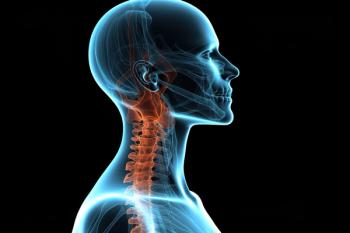
Experts outline technological advances, treatment de-escalation strategies, and lifestyle factors that may affect treatment for head and neck cancers.
In observance of Head and Neck Cancer Awareness Month in April, RadOnc on the Run host Brandon Mancini, MD, MBA, FACRO, spoke with Henry S. Park, MD, MPH, about the past, present, and future of radiotherapy as a tool for managing different head and neck malignancies. The experts discussed considerations for delivering timely diagnoses to patients and forming personalized treatment plans that balance efficacy with quality of life.
Regarding the overall head and neck cancer landscape, Park noted that it is now possible to cure many patients of their disease thanks to advances in radiotherapy, chemotherapy, immunotherapy, and surgery. In certain cases, he said, patients may be eligible to de-escalate portions of their therapy to help minimize the risk of toxicity.
Other key areas in the field included the management of adverse effects such as fatigue, sore throat, difficulty swallowing, and weight loss, which often involves collaboration with team members in supportive care to maintain one’s function and quality of life. As part of balancing hope with realism among patients, Park expressed that clinicians should be transparent about the potential toxicity that may occur with modalities such as radiation and chemotherapy.
In the end, Park emphasized that patients should be open about any potential disease symptoms they have to avoid late diagnoses.
“[Patients should] not be shy about [their] symptoms…. If we catch it early enough, it is certainly possible to cure many of these cancers,” Park stated. “I highly encourage [patients] to be up front about any concerns [they] have, because they may not always be apparent immediately during the initial patient encounter.”
Mancini is the medical director at Bold Advanced Medical Future Health, a clinical associate professor in the Department of Radiology at Michigan State University College of Human Medicine, and the editor at large for RadOnc Review, a supplement of the journal ONCOLOGY®. Park is a professor of therapeutic radiology and vice chair for clinical research, health services research, and faculty development in therapeutic radiology at Yale School of Medicine and Yale New Haven Hospital.


![“[E]ven if patients relapse following an allogeneic transplant, donor lymphocyte infusions can be incredibly helpful,” said Mary Jo Lechowicz, MD.](https://cdn.sanity.io/images/0vv8moc6/cancernetwork/06df696db42b151710c58727b1333ee098de6453-1200x800.jpg?w=350&fit=crop&auto=format)