
All patients who received cilta-cel in the phase 2 CAR-PRISM trial achieved MRD negativity per next-generation sequencing.
All patients who received cilta-cel in the phase 2 CAR-PRISM trial achieved MRD negativity per next-generation sequencing.
Any-grade AEs were observed in 91% of the pembrolizumab arm vs 82% of the placebo arm, with AEs leading to death in 1% of patients in both arms.

Subgroup data from the phase 3 DESTINY-Breast05 trial further characterize the clinical benefit of T-DXd over T-DM1 in this breast cancer population.
Based on phase 1 data, GC012F/AZD0120 may broaden therapeutic options for patients with newly diagnosed multiple myeloma.
The 2.5 year progression-free survival rate was 80.5% with cilta-cel for this population, suggesting a potential cure fraction.

Findings from the PSMAddition trial support the benefit of the early addition of lutetium Lu 177 vipivotide tetraxetan in metastatic HSPC.

T-DXd followed by THP is more effective and less toxic than dose-dense doxorubicin and cyclophosphamide then THP in this breast cancer population.

Pimicotinib shows promising long-term efficacy and safety for treating tenosynovial giant cell tumor, offering significant patient benefits in a recent trial.
Osimertinib plus chemotherapy significantly improved overall survival in EGFR-mutated NSCLC, outperforming monotherapy across various prognostic factors.
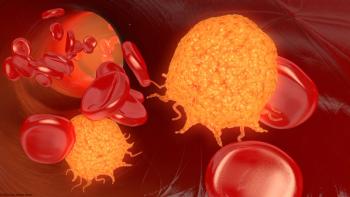
Ponatinib extended EFS and PFS in patients with newly diagnosed, Ph-positive acute lymphoblastic leukemia who did not achieve MRD negativity after induction.

Data from the ELEVATE trial may support elacestrant as an endocrine therapy backbone in ER-positive, HER2-negative metastatic breast cancer.

Data from DeLLphi-304 support tarlatamab as a preferable second-line therapy for patients with small cell lung cancer.

Investigators of the OVATION-2 trial assessed IMNN-001, a novel IL-2 gene therapy, in patients with newly diagnosed epithelial ovarian cancer.

Data from the MATTERHORN trial may be “practice-changing” in the management of resectable gastric or gastroesophageal junction adenocarcinoma.

T-DXd rechallenge occurred after grade 1 ILD, and was proven safe for patients with breast cancer/solid tumors.

Updated findings from BREAKWATER support encorafenib plus cetuximab and chemotherapy as a new standard of care in BRAF V600E-mutated metastatic CRC.

Data from cohort 4 of the phase 2 SunRISe-1 trial demonstrate durable DFS with TAR-200 in BCG-unresponsive, papillary-only, high-risk non–muscle-invasive bladder cancer.

The REFRαME-O1 trial improved response in patients with FRα–positive platinum-resistant ovarian cancer, including those with low to medium expression when given luveltamab tazevibulin.
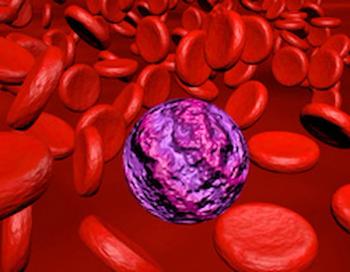
Obe-cel shows efficacy in R/R B-ALL, especially in those with a favorable CAR-HT risk profile, according to data from the phase 1/2 FELIX study.

The BREAKWATER trial found that encorafenib and cetuximab with mFOLFOX6 chemotherapy generated an ORR of 60.9% in BRAF V600E–mutated metastatic colorectal cancer.

Sintilimab plus neoadjuvant chemoradiotherapy yielded a pCR rate of 60% vs 13% from sintilimab plus chemotherapy in patients with locally advanced ESCC.

The CheckMate 649 trial found that nivolumab plus chemotherapy lead to a median OS of 14.3 months vs 10.3 months for chemotherapy alone in several gastrointestinal cancers.

Data from the EMBER-3 trial showed improved progression-free survival with imlunestrant with or without abemaciclib vs SOC in ER+/HER2– breast cancer.
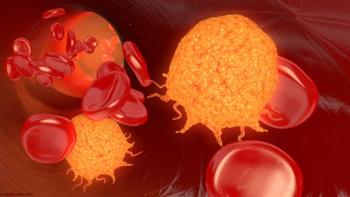
For patients with acute lymphoblastic leukemia and mantle cell leukemia, lymphodepletion then brexu-cel show positive efficacy and safety outcomes.
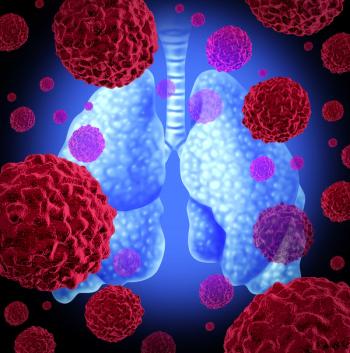
Detection of S15 and PD-L1 proteins in more than half of NSCLC samples support the potential to target both pathways during treatment.

Phase 3 data support a daratumumab-based quadruplet as a new potential regimen in transplant-ineligible newly diagnosed multiple myeloma.

A pembrolizumab regimen for patients with early-stage triple-negative breast cancer yielded improved overall survival.

Treatment with valemetostat yields responses across all PTCL subtypes in the phase 2 VALENTINE-PTCL01 trial.
Data from the PERSEUS trial support the benefit of D-VRd and DR maintenance as a standard of care in transplant-eligible newly diagnosed multiple myeloma.

The Melanoma Research Alliance mourns the passing of Jeffrey S. Weber, MD, PhD, a pioneer in developing immunotherapy for patients with melanoma.

September 27th 2023

August 19th 2024