
All patients with chronic lymphocytic leukemia who were treated with zanubrutinib in the relapsed/refractory setting showed impressive responses.
All patients with chronic lymphocytic leukemia who were treated with zanubrutinib in the relapsed/refractory setting showed impressive responses.

Adding panitumumab to 5-FU and leucovorin significantly improved PFS compared with 5-FU/leucovorin alone as a maintenance therapy for patients with RAS wild-type metastatic CRC.

Patients with metastatic TNBC treated with sacituzumab govitecan maintained an efficacy benefit compared with physician's choice chemotherapy.

In a first-in-human study of patients with relapsed or refractory multiple myeloma, the autologous CAR T-cell therapy CART-bbBCMA led to at least a partial response in all treated patients.
Ribociclib (Kisqali) plus fulvestrant (Faslodex) maintained significantly improved overall survival (OS) rates after nearly 5 years of follow-up compared to fulvestrant alone in postmenopausal patients who had hormone receptor (HR)-postivie, HER2-negative advanced breast cancer.

For heavily pretreated patients with EGFR-mutated NSCLC resistant to EGFR TKIs, patritumab deruxtecan induced clinically meaningful and durable efficacy.
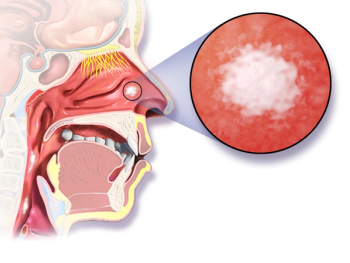
Results of the phase 3 JUPITER-02 trial presented at ASCO 2021 support the use of toripalimab plus chemotherapy for recurrent or metastatic nasopharyngeal carcinoma.

For patients with recurrent platinum-resistant epithelial ovarian cancer who were naïve to PD-1/PD-L1 inhibition, the combination treatment of tislelizumab plus sitravatinib showed early antitumor activity while maintaining a manageable safety profile.
Zenocutuzumab has been shown to block the growth and cause the death of NRG1 fusion–positive cell lines, and to induce tumor shrinkage and durable tumor regression in multiple cancers when used in NRG1 fusion–positive patient-derived xenografts.
Frontline treatment with tebentafusp significantly improved overall survival in patients with metastatic uveal melanoma, according to data from the phase 3 IMCgp100-202 trial.

Improvement in overall survival (OS) for patients with metastatic non–clear cell renal cell carcinoma (RCC) was linked with first-line treatment using immune checkpoint inhibitor–based regimens versus select targeted therapies

Results from the phase 3 ADAURA trial found extended disease-free survival for patients, irrespective of previous adjuvant chemotherapy received or disease stage.
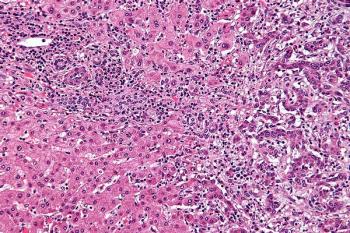
Encouraging efficacy and safety outcomes were reported at the 2021 Gastrointestinal Cancers Symposium when infigratinib was used to treat FGFR2 fusion–positive cholangiocarcinomas that are refractory to chemotherapy.

Sacituzumab govitecan (Trodelvy) induced clinical benefit over physician’s choice of therapy in patients with metastatic triple-negative breast cancer, irrespective of Trop-2 expression, though greater efficacy was observed in those who had a medium or high Trop-2 score.

Ribociclib plus endocrine therapy continued to show a significant overall survival improvement, while delaying subsequent chemotherapy for patients with HR+/HER2-negative breast cancer.
The use of serial circulating tumor cell enumeration was confirmed to strongly predict overall survival outcomes in patients with metastatic breast cancer.
Patients with hematologic malignancies were found to be at increased risk for significant morbidity and mortality from COVID-19, and the risk of death appeared to be greatest in those who were older, had more severe infection, a poorer prognosis, or who decided to forego intensive treatment.
A phase 2 trial found that SY-1425 and azacitidine demonstrated clinical activity with acceptable tolerability in a heavily pretreated population of patients with relapsed/refractory acute myeloid leukemia with RARA positivity.

Data presented at the 2020 ASH Meeting found talquetamab elicited a high response rate with a tolerable safety profile for patients with relapsed/refractory multiple myeloma.
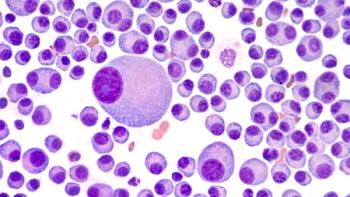
Cevostamab, a FcRH5xCD3 bispecific antibody, was safe and highly active when treating heavily pretreated patients with relapsed/refractory multiple myeloma, according to data presented at the 2020 ASH Annual Meeting & Exposition.
Idecabtagene vicleucel yielded a clinically meaningful improvements in the quality-of-life of triple-class exposed patients with relapsed/refractory multiple myeloma.
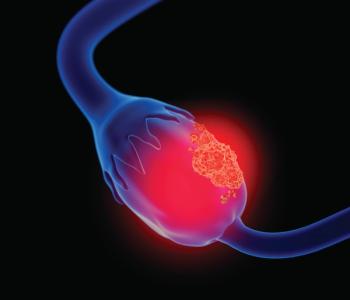
The phase 3 IMagyn050/GOG 3015/ENGOT-OV39 trial indicated that the addition of atezolizumab to bevacizumab and chemotherapy failed to significantly improve progression-free survival in patients with newly diagnosed stage III/IV ovarian cancer.

Frontline pembrolizumab (Keytruda) plus chemotherapy significantly improved overall survival, progression-free survival, and objective response rates compared with chemotherapy alone in patients with locally advanced unresectable or metastatic esophageal cancer.
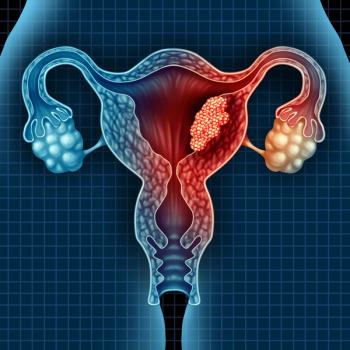
“Dostarlimab demonstrated durable antitumor activity in both dMMR and MMRp advanced and recurrent endometrial cancer,” said Ana Oaknin, MD, PhD.

Sacituzumab govitecan-hziy induced significant activity with favorable tolerability in heavily pretreated patients with metastatic urothelial carcinoma.