Articles by Samantha Shenoy, NP, MSN
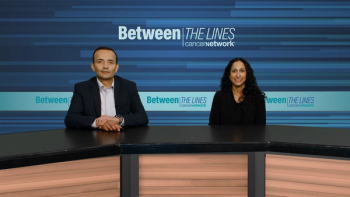
Dr. Ajai Chari and NP Samantha Shenoy conclude the program by summarizing the key clinical insights surrounding the management of newly diagnosed multiple myeloma (NDMM) and the evolving role of daratumumab-based treatment strategies. The faculty reflect on the importance of achieving deep and durable responses, the growing clinical relevance of minimal residual disease (MRD) assessment, and the value of long-term follow-up data in informing frontline treatment decisions. They discuss how contemporary evidence from studies such as MAIA and CEPHEUS has contributed to current treatment paradigms while emphasizing the need for individualized care based on patient characteristics, treatment goals, and tolerability. Dr. Chari and NP Shenoy reinforce the importance of multidisciplinary collaboration, patient engagement, and ongoing evaluation of emerging evidence to optimize long-term outcomes. The discussion concludes with practical perspectives on integrating clinical trial findings into routine management of patients with NDMM.
Dr. Ajai Chari and NP Samantha Shenoy discuss practical aspects of managing newly diagnosed multiple myeloma (NDMM) in routine clinical practice, emphasizing the importance of individualized care throughout the treatment journey. The faculty review strategies for monitoring patients receiving long-term therapy, addressing treatment-related adverse events, and maintaining adherence through proactive supportive care and patient education. The conversation highlights the value of multidisciplinary collaboration, including the role of advanced practice providers in coordinating care, reinforcing treatment expectations, and facilitating shared decision-making. Dr. Chari and NP Shenoy also discuss how ongoing communication with patients can help manage quality-of-life concerns while supporting treatment continuity and long-term disease control. The discussion underscores the importance of integrating clinical trial evidence with practical experience to optimize frontline management and deliver patient-centered care for individuals living with NDMM.
Dr. Ajai Chari and NP Samantha Shenoy conclude the discussion by reflecting on the evolving management of newly diagnosed multiple myeloma (NDMM) and the clinical implications of recent advances in CD38-directed therapy. The faculty summarize how long-term follow-up from contemporary clinical trials has reinforced the importance of achieving deep responses while balancing efficacy, safety, and patient-centered treatment goals. The conversation explores the growing role of minimal residual disease (MRD) assessment, ongoing therapy, and individualized treatment duration as areas of continued clinical interest, while emphasizing that treatment decisions should remain tailored to each patient's overall health status and preferences. Dr. Chari and NP Shenoy also discuss practical considerations for multidisciplinary care, patient education, and longitudinal follow-up, highlighting the importance of shared decision-making as frontline treatment strategies continue to evolve and additional long-term evidence becomes available for patients with NDMM.
Dr. Ajai Chari and NP Samantha Shenoy discuss practical considerations for long-term management of newly diagnosed multiple myeloma (NDMM), focusing on treatment duration, ongoing therapy, and patient-centered care. The faculty explore the rationale for continuous treatment approaches and how response depth, including minimal residual disease (MRD) negativity, may continue to evolve with extended therapy. The conversation emphasizes that treatment duration decisions should be individualized based on tolerability, patient preferences, comorbidities, and long-term management goals. Dr. Chari and NP Shenoy also review real-world follow-up strategies, highlighting the importance of multidisciplinary collaboration, symptom management, patient education, and shared decision-making throughout the treatment journey. Practical insights are provided regarding the role of advanced practice providers in supporting adherence, monitoring treatment-related toxicities, and helping patients navigate prolonged therapy while maintaining quality of life and optimizing clinical outcomes in NDMM.
Dr. Ajai Chari and NP Samantha Shenoy review the CEPHEUS trial and discuss its contribution to the evolving frontline treatment landscape in newly diagnosed multiple myeloma (NDMM). The faculty summarize the study design and examine the rationale for incorporating daratumumab into a quadruplet regimen for patients without planned upfront transplant. The discussion focuses on the achievement of deeper responses and higher rates of minimal residual disease (MRD) negativity observed with the daratumumab-containing regimen, as well as the clinical relevance of sustained MRD negativity and response depth over time. Dr. Chari and NP Shenoy explore how MRD assessment may provide additional insight into long-term disease control and discuss the potential implications of these findings for treatment duration and future management strategies. The conversation emphasizes interpretation of emerging data while considering how evolving evidence may influence clinical decision-making in patients with NDMM.
Dr. Ajai Chari and NP Samantha Shenoy examine the long-term efficacy outcomes from the MAIA trial and discuss the clinical significance of response depth in newly diagnosed multiple myeloma (NDMM). The faculty review progression-free survival improvements, increasing rates of complete response, and the achievement of minimal residual disease (MRD) negativity with daratumumab-based therapy compared with the control regimen. The conversation focuses on how responses may continue to deepen with ongoing treatment and explores the relationship between MRD negativity, durable disease control, and long-term patient outcomes. Dr. Chari and NP Shenoy also discuss the evolving role of MRD assessment as a tool for evaluating treatment effectiveness and highlight how long-term follow-up data can inform clinical decision-making regarding continued therapy. The discussion emphasizes practical interpretation of the MAIA findings and their relevance to contemporary frontline management strategies for patients with NDMM.
Dr. Ajai Chari and NP Samantha Shenoy review the design and long-term follow-up results of the MAIA trial and discuss their clinical implications for the management of newly diagnosed multiple myeloma (NDMM) in transplant-ineligible patients. The faculty examine key efficacy outcomes, including progression-free survival, overall survival, and minimal residual disease (MRD) negativity, while highlighting the continued deepening of responses observed with ongoing daratumumab-based therapy. Dr. Chari and NP Shenoy discuss the relevance of continuous treatment until disease progression, the durability of clinical benefit demonstrated with extended follow-up, and the applicability of the MAIA patient population to everyday clinical practice. The conversation also addresses safety and tolerability considerations associated with long-term treatment and explores how these findings have influenced frontline treatment decisions and expectations for sustained disease control in patients with NDMM.
Dr. Ajai Chari and NP Samantha Shenoy discuss the clinical rationale for incorporating daratumumab-based regimens into the frontline management of newly diagnosed multiple myeloma (NDMM). The conversation explores the biologic rationale for targeting CD38 and reviews how daratumumab-based combinations have contributed to deeper responses and improved minimal residual disease (MRD) negativity in clinical studies. The faculty discuss patient selection in transplant-ineligible disease, emphasizing the importance of balancing efficacy with tolerability, comorbidities, and long-term treatment goals. Dr. Chari and NP Shenoy also share their perspectives on how CD38-directed therapy has influenced frontline treatment strategies and discuss practical considerations when selecting regimens for older or medically complex patients. The discussion provides important clinical context for understanding the evidence supporting daratumumab-based approaches and their role in optimizing outcomes for patients with NDMM.
Dr. Ajai Chari and NP Samantha Shenoy introduce the program by reviewing the evolving treatment landscape in newly diagnosed multiple myeloma (NDMM) and discussing the factors that influence contemporary frontline treatment decisions. The faculty highlight the shift toward individualized treatment selection based on patient fitness, frailty, comorbidities, and treatment goals rather than transplant eligibility alone. They explore the growing incorporation of CD38-targeted therapies into frontline treatment strategies, the increasing emphasis on achieving deep and durable responses, and the importance of long-term disease control. Dr. Chari and NP Shenoy also discuss the expanding role of quadruplet regimens, minimal residual disease (MRD) assessment, and treatment duration considerations as part of modern NDMM management. The conversation establishes the clinical context for the subsequent review of MAIA and CEPHEUS trial data and their implications for everyday practice.
Panelists discuss how health care providers and patients should understand that talquetamab's unique adverse effects are temporary and resolve over time, even while continuing treatment, emphasizing the drug's excellent efficacy and the importance of removing stigma around its manageable toxicity profile.
Panelists discuss how effective caregivers should join support groups, maintain detailed records of symptoms and medications, attend all appointments, stay informed about myeloma research, and serve as active advocates who can communicate with health care teams when patients cannot.
Panelists discuss how patients beginning talquetamab treatment should maintain a positive attitude, prepare thoroughly with educational materials, and understand that although initial adverse effects can be challenging, they are temporary and manageable with proper preparation and support.
Panelists discuss how patients can maintain their nutrition during talquetamab treatment by focusing on texture and food presentation when taste is impaired, using high-calorie options, and remembering that taste changes and dry mouth are temporary adverse effects that improve over time.
Panelists discuss how specific talquetamab-related adverse effects such as skin peeling, nail changes, and rashes can be effectively managed through targeted interventions, including topical treatments, protective measures, and preventive strategies tailored to the drug's unique toxicity profile.
Panelists discuss how health care providers can develop comprehensive management protocols for talquetamab-related toxicities by consulting with specialists, gathering patient feedback, and creating detailed handouts that empower patients to proactively manage adverse effects before they begin treatment.
Panelists discuss how comprehensive patient education materials and manufacturer resources help patients prepare for and manage talquetamab adverse effects, with prior experience from chimeric antigen receptor (CAR) T-cell therapy providing valuable context for understanding potential complications such as cytokine release syndrome (CRS).
Panelists discuss how health care providers must actively educate local oncologists, emergency departments, and community centers about bispecific antibody management as these therapies move from inpatient to outpatient settings, ensuring proper recognition and treatment of adverse effects such as cytokine release syndrome (CRS).
Panelists discuss how successful talquetamab treatment requires coordinated care between inpatient and outpatient teams, comprehensive caregiver preparation including education materials and emergency contact information, and access to multidisciplinary health care providers as needed.
Panelists discuss how expectations for treatment outcomes can become more positive over time through experience with multiple therapies, staying informed about clinical trials and new treatments, and focusing on quality of life as a primary treatment goal alongside disease control.
Panelists discuss how caregivers can navigate the initial shock of a myeloma diagnosis by seeking reliable information from trusted medical websites, connecting with local support groups, and accessing resources from organizations such as the International Myeloma Foundation (IMF), Multiple Myeloma Research Foundation (MMRF), and patient advocacy groups.
Panelists discuss how Alan Plisskin's multiple myeloma diagnosis began with severe back and hip pain, progressed through life-threatening complications, including seizures and vocal cord paralysis, and revealed extensive lytic lesions throughout his body that required immediate intensive treatment.
Samatha Shenoy, NP, MSN, highlighted lifestyle recommendations to help patients who are receiving talquetamab treatment for multiple myeloma.
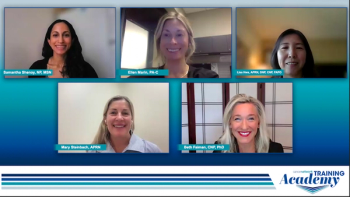
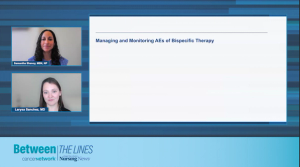
Clinical Scenario: AE Management for Bispecific Therapy in R/R MM
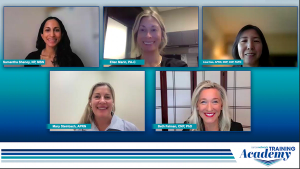
BySamantha Shenoy, NP, MSN,Beth Faiman, PhD, CNP,Ellen Marin, PA-C,Lisa Hwa, APRN, DNP, CNP, FAPO,Mary Steinbach, APRN Following the review of a case of a patient with relapsed/refractory multiple myeloma, the panel provides expert perspectives on adverse event management practices.

Samantha Shenoy, NP, MSN, discusses how her role plays a vital part in patient care for those receiving talquetamab for multiple myeloma.
Adverse Event Management Strategies in GPRC5D Therapy
BySamantha Shenoy, NP, MSN,Beth Faiman, PhD, CNP,Ellen Marin, PA-C,Lisa Hwa, APRN, DNP, CNP, FAPO,Mary Steinbach, APRN Experts on multiple myeloma address the intricacies of adverse event management practices, focusing on taste changes and associated weight loss.
Clinical Scenario: AE Management in a Patient with R/R MM on GPRC5D Therapy
BySamantha Shenoy, NP, MSN,Beth Faiman, PhD, CNP,Ellen Marin, PA-C,Lisa Hwa, APRN, DNP, CNP, FAPO,Mary Steinbach, APRN Samantha Shenoy, NP, MSN, presents the case of a patient with multiple myeloma and the panel discusses adverse event management practices.
Insights on REMS Programs and Strategies for Effective Patient Care
BySamantha Shenoy, NP, MSN,Beth Faiman, PhD, CNP,Ellen Marin, PA-C,Lisa Hwa, APRN, DNP, CNP, FAPO,Mary Steinbach, APRN The panel provides an overview of REMS programs for bispecific therapies in multiple myeloma and discusses how institutions can educate healthcare professionals outside of oncology.
Management and Supportive Care for CRS and ICANS in GPRC5D Therapy
BySamantha Shenoy, NP, MSN,Beth Faiman, PhD, CNP,Ellen Marin, PA-C,Lisa Hwa, APRN, DNP, CNP, FAPO,Mary Steinbach, APRN Experts on multiple myeloma discuss prophylactic supportive measures to prevent CRS and ICANS in patients who receive GPRC5D therapy.
Samantha Shenoy, NP, MSN, suggests that support groups may help comfort patients experiencing adverse effects negatively impacting quality of life.
Samantha Shenoy, NP, MSN, emphasized educating patients with multiple myeloma to help prepare them for potential taste alterations after talquetamab.