

Zotaifin plus abemaciclib and fulvestrant appears to produce no dose-limiting toxicities among patients with estrogen receptor–positive metastatic breast cancer in a phase 1/2 study.
Zotaifin plus abemaciclib and fulvestrant appears to produce no dose-limiting toxicities among patients with estrogen receptor–positive metastatic breast cancer in a phase 1/2 study.
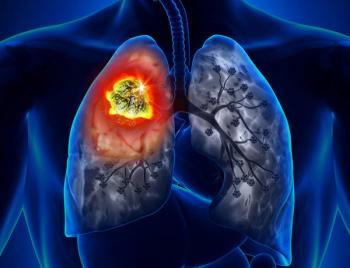
Patients who receive nivolumab plus chemotherapy for non–small cell lung cancer may experience sustained improvement in time to death or distant metastasis, according to an expert from McGill University Health Center.

Rilvegostomig appears to yield no dose-limiting toxicities among patients with advanced or metastatic PD-L1–positive non–small cell lung cancer in the phase 1/2 ARTEMIDE-01 study.

In the study, 331 patients with IDH-mutated low-grade glioma were randomized to receive oral vorasidenib at 40 mg once daily or matched placebo in 28-day cycles.

Investigators report an increased objective response rate when linvoseltamab is given to patients with relapsed/refractory multiple myeloma.
Results from the phase 1b RedirecTT-1 study show acceptable efficacy and safety when teclistamab plus talquetamab was given to patients with relapsed/refractory multiple myeloma.
For patients with early-stage non–small cell lung cancer, the addition of pembrolizumab to neoadjuvant platinum-based chemotherapy followed by resection and adjuvant pembrolizumab as a monotherapy results in a significant improvement in event-free survival and pathological response.
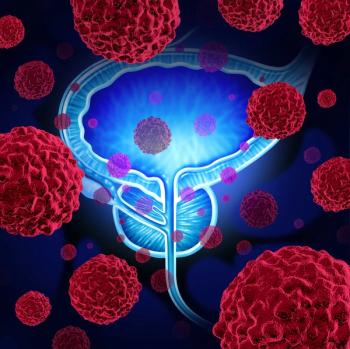
Rucaparib yields improved efficacy compared with docetaxel plus androgen receptor pathway inhibitors in metastatic castration-resistant prostate cancer harboring BRCA mutations.
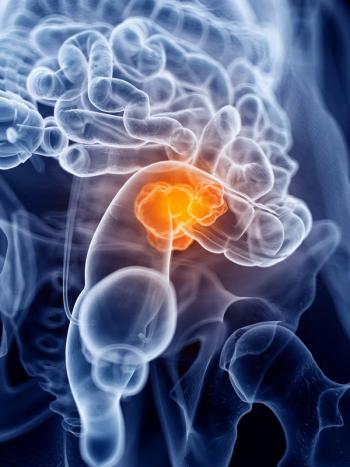
Data from the phase 2 TROPHY-U-01 trial support further evaluation of sacituzumab govitecan in patients with metastatic urothelial cancer following immune checkpoint inhibitor therapy, according to the lead investigator.

Almost half of patients with muscle-invasive bladder cancer in a phase 2 trial had clinical complete responses following transurethral resection of bladder tumors plus nivolumab and chemotherapy.
Treatment with induction and maintenance ibrutinib combined with chemoimmunotherapy and autologous stem cell transplant resulted in statistically significantly improved outcomes in a younger population with mantle cell lymphoma.
Lisocabtagene maraleucel was found to have superior efficacy in the second-line over standard of care therapy for patients with relapsed/refractory large B-cell lymphoma.

Results from the phase 3 ALPINE trial found improved progression-free survival and overall response rate when Zanubrutinib was given to patients with chronic lymphocytic leukemia or small lymphatic leukemia vs ibrutinib.
The BTK inhibitor pirtobrutinib demonstrated high response rates in pretreated patients with Waldenström macroglobulinemia, according to recent data.
Patients with penta-or triple-class refractory multiple myeloma who have not received prior B-cell maturation antigen therapy saw an improved objective response rate when elranatamab was given.
Findings from the phase 3 CodeBreaK 200 trial show improved progression-free survival with sotorasib vs docetaxel in previously treated KRAS G12C-mutant non–small cell lung cancer.
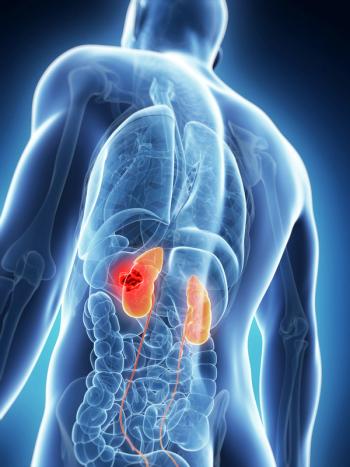
Patients with advanced clear cell renal cell carcinoma given lenvatinib plus pembrolizumab had sustained overall survival and progression-free survival benefit vs sunitinib, according to updated results of the CLEAR trial.
Results from a blood-based multi-cancer detection test potentially indicated the presence of cancer.
Long-term results of a phase 2 study (NCT02211131) revealed consistent efficacy at 5 years with talimogene laherparepvec in stage IIIB to IVM1a melanoma.
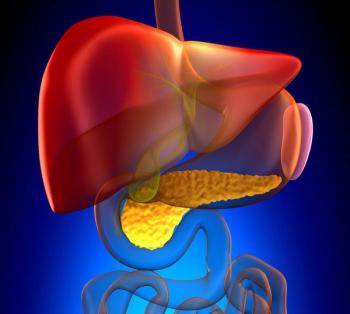
Results of a phase 3 study appear to indicate better progression-free and overall survival outcomes with camrelizumab and rivoceranib vs sorafenib in unresectable hepatocellular carcinoma.
A randomized phase 3 trial presented at 2022 ESMO revealed better progression-free survival outcomes with tumor-infiltrating lymphocytes vs ipilimumab in stage IIIC/IV unresectable, treatment-refractory melanoma.

Treatment with the oral VEGFR2 inhibitor rivoceranib appears to induce responses in recurrent or metastatic adenoid cystic carcinoma.

Patients with very high-risk renal cell carcinoma experienced a notable relapse-free survival benefit vs placebo following treatment with everolimus.
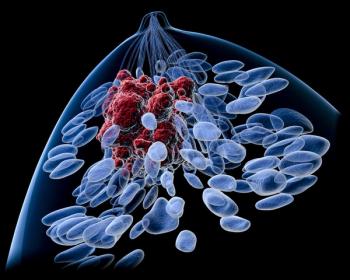
Radiotherapy can be avoided after surgery in certain patients with low-grade luminal A breast cancer who have low Ki67 expression and no positive lymph nodes, according to data from 2022 ASCO.

The phase 3 DESTINY-Breast04 trial using fam-trastuzumab deruxtecan-nxki showed a reduction in the risk of disease recurrence or death for patients with HER2-low, hormone receptor–positive metastatic breast cancer.

A Claudin18.2–specific CAR T-cell therapy has shown promise in the treatment of patients with heavily pretreated advanced gastric and pancreatic adenocarcinoma whose disease expresses the marker.

An acceptable safety reported at a follow-up analysis of the phase 3 DESTINY-Breast03 study has reinforced use of fam-trastuzumab deruxtecan-nxki for patients with HER2-positive unresectable or metastatic breast cancer
Phase 2 data indicate promising responses are possible with fixed-duration glofitamab in patients with heavily pretreated, highly refractory large B-cell lymphoma.
Results of the phase 3 EVEREST trial show adjuvant everolimus improved recurrence-free survival for patients with very high-risk renal cell carcinoma.

Use of circulating tumor DNA to guide adjuvant treatment planning for patients with resectable colon cancer led to fewer patients receiving chemotherapy while maintaining outcomes, according to the DYNAMICS study.