



Kidney Cancer
Latest News
Advertisement
Latest Videos






CME Content








































Advertisement
More News
The biologics license application was supported by findings from a global, randomized, controlled phase III clinical trial, evaluating the efficacy, safety, and immunogenicity of MYL-1402O versus bevacizumab.
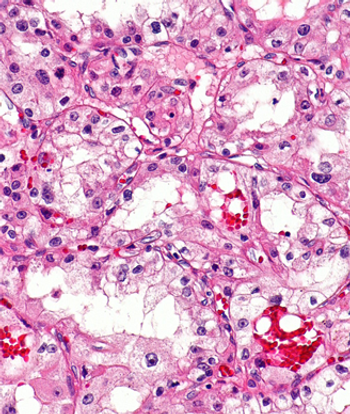
The findings reported in this study demonstrated a core dependency on HIF-2 in metastatic clear cell renal cell carcinoma and established PT2385 as a highly specific HIF-2 inhibitor.
The aim of this Chinese study was to evaluate the influencing factors of perioperative renal function change and their relationship with prognosis in patients with renal cell carcinoma and tumor thrombus after nephrectomy and thrombectomy.
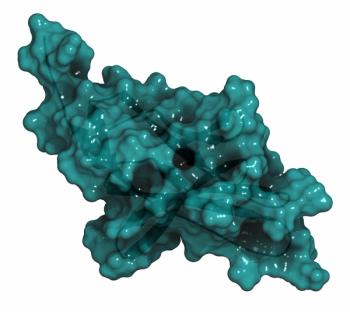
Researchers indicated that a lack of understanding of the mechanism and efficacy of PD-1/PD-L1 inhibitors is the major barrier for prescription of these inhibitors in Chinese tumor treatment-related departments.

In this study, researchers looked at the adoption and use of bevacizumab in order to identify opportunities to increase use of high-value therapies.

Though physical activity guidelines are largely based on chronic diseases like cardiovascular disease and diabetes, these data suggest they are important to cancer prevention as well.
The Food and Drug Administration approved the first generic for everolimus, which can provide a safe, effective, lower cost alternative to the brand-name drug it references.

The next gen innovator discusses the integration of fields at the International Kidney Cancer Symposium in Miami.

The medical oncologist discusses the different talks that were presented at the International Kidney Cancer Symposium in Miami.
Treatment with lenvatinib and pembrolizumab has shown promise in patients with metastatic clear cell renal cell carcinoma who have already received an immune checkpoint inhibitor.
Massachusetts General Hospital’s Severe Immunotherapy Complications Service focuses on the increasing number of “rare” cases of immunotherapy-related adverse events.
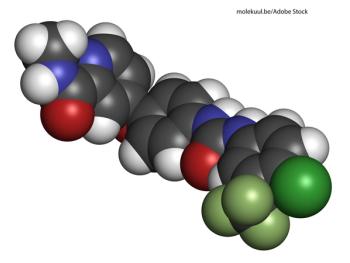
New trial results examine whether there's a drug superior to sorafenib when it comes to treating kidney cancer.
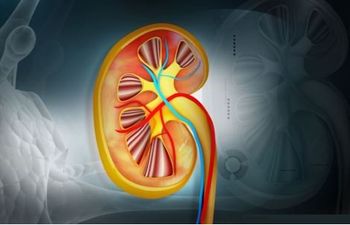
Laparoscopic treatment during pregnancy is becoming an option for more women.
A new study looked at targeted vs nontargeted therapy in real world patients with renal cell carcinoma.

Nivolumab had limited efficacy against previously untreated brain metastases in patients with metastatic renal cell carcinoma, according to recent trial results.

An interim analysis of the CheckMate 920 phase IIIb/IV trial evaluated nivolumab plus ipilimumab in advanced renal cell carcinoma patients with brain metastases.

Cancer Network spoke with Daniel George, MD, of Duke Health, about the treatment landscape and current trials for renal cell carcinoma.

The KEYNOTE-426 study evaluated pembrolizumab plus axitinib vs sunitinib in patients with metastatic RCC with intermediate/poor risk disease and those with sarcomatoid features.

In this randomized phase III trial, researchers compared cytoreductive nephrectomy vs sunitinib alone in patients with metastatic renal cell carcinoma.
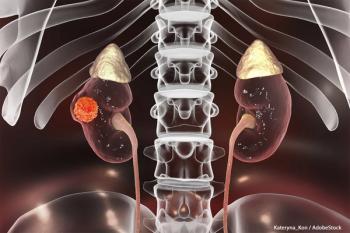
The phase II IMmotion150 study evaluated disease- and treatment-related symptoms in RCC patients receiving atezolizumab alone or in combination with bevacizumab vs sunitinib.
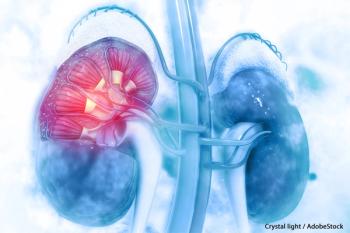
Findings from a planned subanalysis of IMmotion151 looked at combination atezolizumab and bevacizumab in patients with RCC and sarcomatoid histology.
The study of sequential treatment of pazopanib followed by nivolumab in advanced or metastatic renal cell carcinoma looked at benefit-risk profile and survival.
The study investigators evaluated the survival benefit of pazopanib in metastatic renal cell carcinoma patients with no evidence of disease after metastasectomy.
Progression-free survival was compared for the VEGF TKI tivozanib vs sorafenib across multiple subgroups of refractory advanced renal cell carcinoma.
The bar for the standard of care among patients with advanced renal cell carcinoma is set high as various promising combination therapies recently received FDA approval.
Advertisement
Advertisement
Trending on CancerNetwork
1
CELMoDs After T-Cell–Engaging Therapy in Multiple Myeloma
2
Key Takeaways for Multidisciplinary Lung Cancer Care From WCLC 2026
3
Neoantigen Vaccine Shows Encouraging Activity in Head and Neck Cancer
4
Pembrolizumab/Enfortumab Vedotin Earns Positive CHMP Opinion in MIBC
5