





Kidney Cancer
Latest News

Advertisement
Latest Videos




CME Content










































Advertisement
More News

The medical oncologist at Memorial Sloan Kettering Cancer Center discussed the significance of the phase 3 CheckMate 9ER study results.

An analysis revealed that as a third- or fourth-line treatment for RCC, tivozanib significantly increased Q-TWiST compared with sorafenib, primarily through an increase in TWiST.
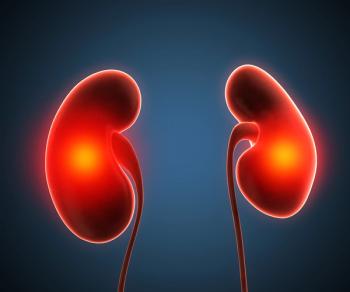
“These updated results from the phase 2 MERECA trial underscore the positive impact on overall survival that ilixadencel may achieve for [patients with kidney cancer],” said Sven Rohmann, MD, PhD.

In the phase 3 CheckMate 9ER trial, investigators found that nivolumab plus cabozantinib demonstrated improved efficacy and prolonged survival among patients with previously untreated advanced renal cell carcinoma.

In the CheckMate 9ER trial, investigators compared combination treatment with nivolumab and cabozantinib versus sunitinib in patients with previously treated advanced renal cell carcinoma.

Follow-up data published in the European Association of Urology did not find a significant improvement in overall survival for patients with locally advanced renal cell carcinoma undergoing adjuvant pazopanib treatment.

A Q-TWiST analysis evaluated the use of tivozanib versus sorafenib among patients with advanced renal cell carcinoma included in the phase 3 TIVO-3 study.

Investigators compared lenvatinib plus either pembrolizumab or everolimus versus sunitinib in patients with advanced renal cell carcinoma in the CLEAR trial.

An expert discusses how new data from the phase 3 CheckMate 9ER trial impact therapy choice in previously untreated advanced renal cell carcinoma.

The CLEAR trial compared treatment with lenvatinib plus either pembrolizumab or everolimus versus sunitinib in patients with advanced renal cell carcinoma.

In the CLEAR study, investigators compared lenvatinib plus either pembrolizumab or everolimus versus sunitinib in patients with advanced renal cell carcinoma.

Investigational agent belzutifan plus cabozantinib was able to control tumor growth in most patients with advanced clear cell renal cell carcinoma in a phase 2 trial.
A phase 2 SWOG trial comparing multiple therapies versus sunitinib for papillary renal cell carcinoma revealed superior activity of cabozantinib in this setting.
Better progression-free survival, as well as improved responses, were seen when lenvatinib was combined with either pembrolizumab or everolimus versus standard-of-care sunitinib in the treatment of patients with advanced renal cell carcinoma receiving therapy in the frontline setting.

Patients with metastatic renal cell carcinoma and brain metastases showed significant intracranial and extracranial responses with cabozantinib use.
Compared against sunitinib, nivolumab plus cabozantinib induced better outcomes in patients with advanced renal cell carcinoma and these results were seen in patients with and without sarcomatoid features.

Pal discussed findings from the SWOG 1500 trial investigating sunitinib versus either cabozantinib, crizotinib, or savolitinib to treat patients with metastatic papillary RCC.
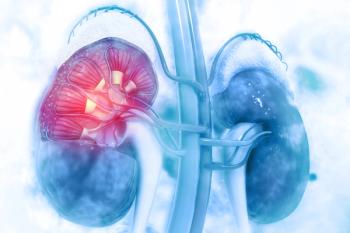
As third- or fourth-line therapy for patients with metastatic RCC, tivozanib hydrochloride demonstrated a statistically significant increased quality-adjusted time without symptoms of disease and toxicity compared with sorafenib.
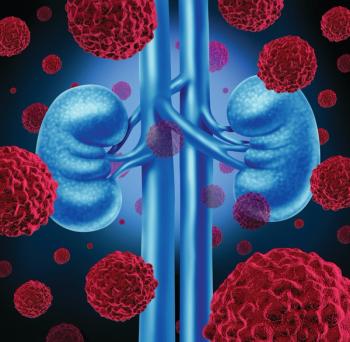
First-line treatment with nivolumab plus cabozantinib demonstrated health-related quality of life benefits in patients with advanced renal cell carcinoma.
“Based on these findings, patients who received lenvatinib 18 mg starting dose had better quality of life and less severe symptoms than those who received lenvatinib 14 mg starting dose,” said Cristiane Decat Bergerot, PhD, MS, BS.

Improvement in overall survival (OS) for patients with metastatic non–clear cell renal cell carcinoma (RCC) was linked with first-line treatment using immune checkpoint inhibitor–based regimens versus select targeted therapies
No significant activity or favorable toxicity profile was found with sapanisertib when treating patients with refractory mRCC regardless of mTOR or PTEN status.
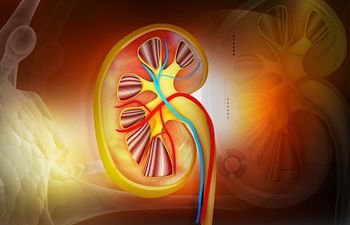
Based on an exploratory analysis of a phase 2 trial, lenvatinib plus everolimus appears to be an acceptable treatment option for patients receiving prior immunotherapy for clear cell renal cell carcinoma.
The FDA granted approval to the combination use of cabozantinib plus nivolumab ahead of its February PDUFA date as therapy for the first-line treatment of patients with advanced renal cell carcinoma.

“Our results suggest that low [intertumoral heterogeneity] is associated with increased response to anti–PD-1 immunotherapy in renal cell carcinoma through increased immune activity involving more neoantigens and less frequent immune evasion,” wrote the study authors, led by Xia Ran.
Advertisement
Advertisement
Trending on CancerNetwork
1
CELMoDs After T-Cell–Engaging Therapy in Multiple Myeloma
2
Key Takeaways for Multidisciplinary Lung Cancer Care From WCLC 2026
3
Neoantigen Vaccine Shows Encouraging Activity in Head and Neck Cancer
4
Pembrolizumab/Enfortumab Vedotin Earns Positive CHMP Opinion in MIBC
5