
Experts discussed the critical intersection of oncology and mental health, which included identifying and mitigating suicide risk factors.
Experts discussed the critical intersection of oncology and mental health, which included identifying and mitigating suicide risk factors.
Jesse Fann, MD, MPH, spoke about what he hopes to accomplish during the 2-year term of his APOS presidency.
Yesne Alici, MD, discussed cancer-related fatigue and cognitive impairment and addressed sleep disturbances and AEs such as anemia to improve outcomes.

Investigators highlighted that emotional and cognitive consequences of beliefs were primarily negative among caregivers of children with cancer.
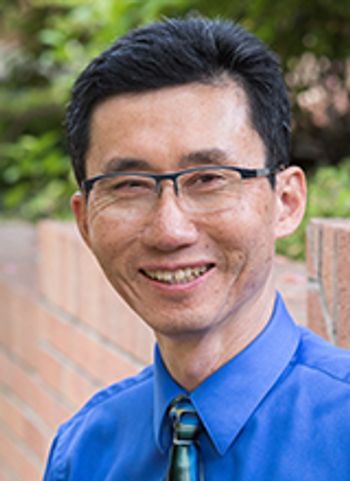
Jesse Fann, MD, MPH, provided insights on the SCOPE trial, which evaluated technology-enhanced collaborative care for depression in patients undergoing active cancer treatment.

ECG changes and cardiac biomarkers were evaluated in patients with breast cancer to identify early markers of chemotherapy-induced cardiotoxicity.
Venlafaxine was found to be an effective treatment for patients with breast cancer who are experiencing vasomotor symptoms.

In the first-cycle of chemotherapy, patients under 40 were more likely to have higher rates of nausea/vomiting.

Historically, 30% to 60% of AYA patients with cancer experience sexual dysfunction.

Erin Baurle, PsyD, discussed sleep-wake disturbances in patients with cancer and the efficacy of a CBT-I pilot program.
Ben Brewer, PsyD, discussed the 5 core components of cognitive behavioral therapy for insomnia.
Persistent training and workflow gaps were listed as potential barriers of AYA care among oncologists.

Quality of life improvements can be made if clinicians better understand auditory attention decay after cancer treatment in pediatric patients with cerebellar tumors.
Recipients of hematopoietic stem cell transplantation may benefit from psychosocial interventions and supportive care following their procedure.