



Head & Neck Cancer
Latest News
Advertisement
Latest Videos





Shorts

1:20
Streamlining Subcutaneous Amivantamab Administration in HNSCC Workflows
3 months ago
by
Barbara Burtness, MD

1:32
Targeting EGFR and MET Resistance Pathways in HPV-Independent HNSCC
3 months ago
by
Barbara Burtness, MD

0:54
AI-Based Contouring Could Optimize Treatment Planning in HNC Groups
7 months ago
by
Heath Skinner, MD, PhD

0:38
Defining a New Standard of Care in the OPSCC Treatment Paradigm
8 months ago
by
Jason K. Molitoris, MD, PhD
Podcasts


CME Content






























Advertisement
More News

An expert highlights OrigAMI-4, iza-bren plus pembrolizumab, GORTEC IDEAL, and HexAgon-HN ahead of the ESMO Congress 2026.
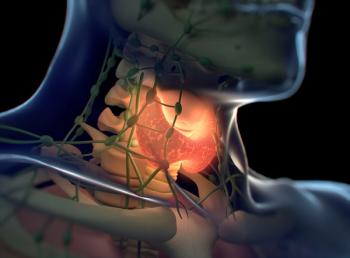
The phase 2/3 AHEAD-MERIT trial will continue to assess overall survival among patients who received BNT113 plus pembrolizumab for head and neck cancer.

PRV111 eliminated planned surgery in 100% of evaluable patients with non-invasive oral cancer or high-grade dysplasia.
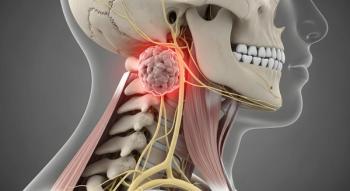
In 62 patients with ICI-naive HPV16-Positive HNSCC, 17.7% experienced grade 3 or 4 treatment-related adverse events.

In a phase 1 trial, the MVA-vectored neoantigen vaccine TG4050 produced no dose-limiting toxicities or relapses in those with resected, HPV-negative HNSCC.
Interim phase 2 data show INBRX-106 plus pembrolizumab nearly doubled response rates and extended survival vs pembrolizumab alone in head and neck cancer.
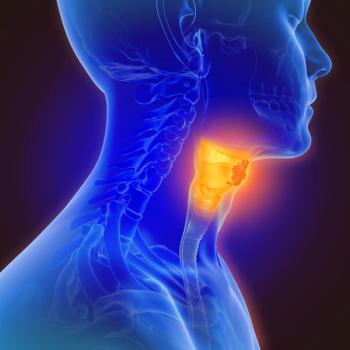
The regulatory decision for JBS-003 is intended to help guide personalized radiation de-escalation in patients with HPV-positive oropharyngeal cancer.

In a retrospective cohort study, neoadjuvant chemoimmunotherapy produced a deep pathologic response in 67.0% of patients with resectable HNSCC.

Barbara Burtness, MD, discussed the biological rationale for dual EGFR/MET targeting and how the OrigAMI-4 data may reshape treatment workflows for HNSCC.

The regulatory decision for subcutaneous amivantamab in recurrent/metastatic head and neck squamous cell carcinoma was based on phase 1b/2 OrigAMI-4 data.
Traditional acupuncture plus auricular acupressure improved overall quality of life among patients with HNSCC undergoing radiotherapy.
The trial will confirm findings from the phase 3 IT-MATTERS study subgroup with newly diagnosed head and neck cancer who received leukocyte interleukin.

The RASolute 302 study of daraxonrasib was “the single biggest study presentation” at ASCO 2026, according to Sivraj Muralikrishnan, MD.

Catch up on major clinical trials reshaping treatment for brain metastases, Merkel cell carcinoma, cervical cancer, and head and neck cancer, all from ASCO 2026.

Efficacy with carboplatin-based induction-concurrent chemotherapy was noninferior to cisplatin, representing a viable alternative for patients with LA-NPC.

Triple-oral metronomic chemotherapy plus nivolumab elicited a median OS of 10.32 months in this head and neck squamous cell carcinoma population.

Investigators are currently evaluating emiltatug ledadotin among patients with different solid tumors in a phase 1 trial.
According to the developers, the agency’s decision could accelerate and expand the registration pathway for JNJ-1900 in head and neck cancer.

Heath Skinner, MD, PhD, discussed current standards for radiotherapy in head and neck cancers and highlighted multidisciplinary collaboration within UPMC.

According to the phase 3 TORPEdO investigators, where IMPT is not used routinely for OPSCC, IMRT remains the standard of care.

Berzosertib plus cisplatin and radiotherapy did not meet the preliminary efficacy end point of complete response rate in this head and neck cancer group.

Jason Molitoris, MD, PhD, discussed 2025 data on proton therapy for oropharyngeal cancer, highlighting immune preservation and reduced long-term AEs.

Findings from the phase 1b/2 OrigAMI-4 trial support the regulatory decision for this regimen in this advanced head and neck cancer population.
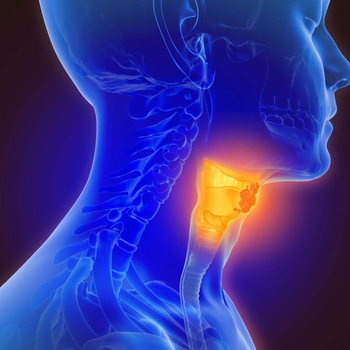
Although many clinical trials end due to strategic reasons, easing inclusion criteria and reducing potential operational failure may mitigate terminations.
The safety profile of amivantamab was consistent with previous reports in this HNSCC population, with no new signals reported.
Advertisement
Advertisement
Trending on CancerNetwork
1
What Separates a Next-Generation Liver Tumor Board From the Traditional Model?
2
Weighing Immunotherapy for Bridging and Downstaging Before HCC Transplant
3
MASLD Raises Liver and Other Cancer Risks, Supporting Selective HCC Surveillance
4
BOT+BAL Yields Long-Term Survival in Patients With Refractory MSS mCRC
5