

Candice Roth, MSN, RN, CENP, spoke about how the electronic treatment pathways have evolved over time.
Candice Roth, MSN, RN, CENP, spoke about how the electronic treatment pathways have evolved over time.
During the Association of Community Cancer Centers 48th Annual Meeting & Cancer Center Business Summit, Candice Roth, MSN, RN, CENP, spoke about electronic pathways embedded in electronic medical records.

Improving patient care may be possible for institutions achieving Disease-Specific Care certifications with certified nurse specialists at the helm.

One year after surgery, patients aged 70 years or older experienced moderate-to-severe tiredness, poor well-being, and lack of appetite.
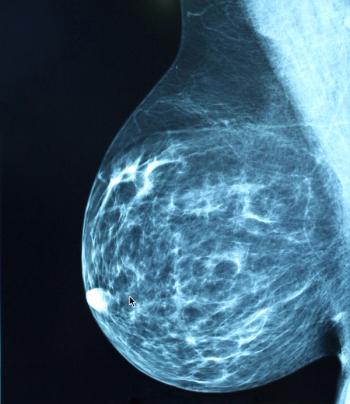
Given these study findings, investigators suggested that future efforts should address racial/ethnic, educational, financial, and geographic barriers to receiving digital breast tomosynthesis screening at the facility level.

The latest episode of the “Oncology Peer Review On-The-Go” podcast discusses a review article on patient-reported outcomes of cancer-related pain.

The guidance is intended to inform gastroenterologists of how to assess lesions for endoscopic features associated with cancer, discuss how these factors guide endoscopic management, and to outline the factors that frame whether to advise surgery after a malignant polyp has been endoscopically resected.

The final guidance provides the agency’s current thinking regarding steps to broaden eligibility criteria in clinical trials through inclusive trial practices, trial designs, and methodological approaches.
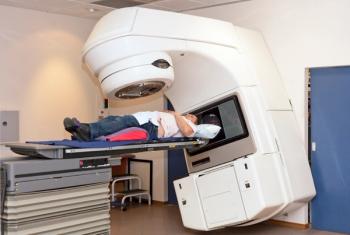
The updated guidelines outlined indications and best practices for pelvic radiation treatments, as well as the integration of radiation with chemotherapy and surgery for patients with stage II to III disease.

This study found that the impact of COVID-19 on cancer care in the US has led to decreases and delays in identifying new cancers, as well as the delivery of treatment.

For the first time, the draft recommendations from the US Preventive Services Task Force indicate that screening for colorectal cancer begin at age 45.
The newest episode of Oncology Peer Review On-The-Go speaks with 2 authors of an article from the October Issue of the journal ONCOLOGY focusing on effective cancer care management during the coronavirus pandemic.
The FoundationOne CDx is now approved by the FDA as a companion diagnostic for larotrectinib (Vitrakvi) to identify patients with NTRK fusions across all solid tumors.

Researchers indicated that these findings demonstrate a need for interventions to improve prognostic understanding between older patients with advanced cancer, caregivers, and health care professionals.

A study led by researchers from City of Hope found that there is not a significant enough effort being made to representing older adults with cancer in clinical trial populations for new cancer drugs.

An intervention that delivered machine learning mortality predictions with behavioral nudges to oncology clinicians significantly increased the rate of serious illness conversations among all patients included in this study.

This is the first study to demonstrate how a national insurer’s voluntary pay-for-performance program can successfully alter prescribing patterns among oncologists in order to provide higher-quality cancer care.

New research reported that guidelines to reduce the number of opioids prescribed to patients following surgery may be missing a small group of patients that need a greater level of pain control.

This study found that immune checkpoint inhibitor therapy in patients with cancer could aggravate cardiovascular inflammation and subsequent cardiovascular or cerebrovascular events.
The latest episode of Oncology Peer Review On-The-Go explores an article from the September issue of the journal ONCOLOGY regarding the psychological states of patients enrolling in phase 1 clinical trials.

Researchers suggested that the current situation be used as an opportunity to re-evaluate standard practices for clinical trials in order to make them more accessible and less stressful for potential patients and thus allow for broader participation.

The survey revealed that approximately two-thirds of Americans reported that their scheduled cancer screenings have been delayed or skipped due to the COVID-19 pandemic.
The FDA issued the final guidance in order to help improve the information available to patients and health care providers about the risks of breast implants.

In this study, geriatric co-management was associated with significantly lower 90-day postoperative mortality compared to patients who received care managed by surgery service only.

A systemic review of oncology clinical trials found a large difference between unadjusted and bias-adjusted hazard ratios when the number of events at interim analysis was small.

The authors suggested that the “results of the current study have provided valuable insight into chronic medication adherence and health care use in a low-income population of patients with and without cancer.”

The study findings suggested that lower quality-of-care scores could decrease hospital payments, which could possibly increase health disparities for at-risk patients with cancer.

Researchers found that little of the mechanistic understanding of CIPN is currently being translated into clinical trials for interventions.

The recommendations were developed on the basis of the ESMO Scale for Clinical Actionability of molecular Targets (ESCAT) ranking for genomic alterations occurring in the 8 cancers responsible for the most deaths worldwide.

Results from a survey of psychosocial oncology professionals suggested that “there are significant ongoing concerns about funding and how services and research activity will be maintained in coming months and years.”