

Muhammad Talha Waheed, MD, stated that a retrospective study found an OS benefit in CRC peritoneal metastasis with cytoreduction surgery without HIPEC vs with HIPEC.
Muhammad Talha Waheed, MD, stated that a retrospective study found an OS benefit in CRC peritoneal metastasis with cytoreduction surgery without HIPEC vs with HIPEC.

Laparoscopic, histologic, and biomarker responses occurred at all dose levels of mitomycin treatment in patients with peritoneal metastases.

A phase 2 trial presented at SSO met its primary end point by achieving negative margins in 79% of patients with node-negative rectal cancer.

Results from the phase 3 ECHO trial showed PFS and OS improvements with acalabrutinib in the first-line treatment of MCL compared with standard of care.

Sirexatamab plus bevacizumab/chemotherapy significantly improved overall response rate in patients with high DKK1 levels in the phase 2 DeFianCe study.

The “inescapability” of climate hazards may necessitate prioritization of research to improve outcomes among vulnerable populations who require treatment.

Adaptive radiation may help individualize therapy based on transient factors patients are faced with while receiving treatment for cancer.

Experts from Sibley Memorial Hospital highlight radiation oncology technologies that have played key roles in cancer care at their institution.

The safety profiles of osimertinib monotherapy and combination therapy were consistent with prior reports in EGFR-mutated non–small cell lung cancer.

Findings from the phase 3 CROWN trial evaluating lorlatinib in ALK-positive non–small cell lung cancer revealed a sustained PFS benefit with the agent.

Future work may focus on determining strategies for protecting the health of patients who undergo surgery during climate disasters.

“We see that those taking chemotherapy are going to be the ones that are going to require the most help,” Clara Bodelon, PhD, MS, said regarding breast cancer treatment.
“[There] is a need to make sure that everybody is coming in and bringing their expertise together,” Valerie Lee, MD, said.

Results from the phase 3 NIAGARA trial led to the approval of adjuvant durvalumab/chemotherapy for patients with muscle-invasive bladder cancer after radical cystectomy.
For Terri Lynn Shigle, PharmD, the field of hematology-oncology is deeply personal. Having lost loved ones to cancer, she was drawn to a career where she could make a meaningful difference in patient care.
In celebration of Women’s History Month, ASTCT is proud to highlight the inspiring journeys of women making a profound impact in transplantation and cellular therapy.

Leticia Nogueira, PhD, MPH, highlights how facilities exposed to wildfires tend to have longer lengths of stay for patients undergoing surgery for NSCLC.

At 5 years, 100% of patients with breast cancer who did not receive surgery had ipsilateral breast tumor relapse-free survival.
Results from PSMAfore show that lutetium Lu 177 vipivotide tetraxetan elicited a median rPFS of 9.3 months vs 5.6 months with ARPI in prostate cancer.

Tisotumab vedotin elicited a median OS of 11.5 months vs 9.5 months with chemotherapy in advanced cervical cancer in the phase 3 innovaTV 301 trial.
Collaboration among different medical and research institutions may help improve quality of care for patients with cancer exposed to climate disasters.
Patients with breast cancer who were treated with chemotherapy may have more pain, fatigue, and difficulty moving vs those who received endocrine therapy or did not have breast cancer.
Valerie Lee, MD, said that deciding where to implement immunotherapy into cancer treatment often depends on the type of disease.

A radiation oncologist discussed challenges related to the radiation oncology space as well as ongoing developments in the field highlighted at ACRO.

A stronger commitment to tobacco control at the local, state, and federal levels may further improve progress in preventing smoking-related mortality.

CAN-2409 plus valacyclovir or acyclovir elicited a median OS of 24.5 months in the overall population of patients who progressed after immune checkpoint inhibitor therapy.

Intravenous olvi-vec demonstrated a manageable safety and tolerability profile consistent with previous trials evaluating the investigational agent.
A radiation oncologist discussed the theranostics treatment landscape and career opportunities in the field at the 2025 ACRO Summit.

Findings from the OVARIO study show that patients with HRR–deficient and BRCA-mutated disease benefitted the most from niraparib/bevacizumab maintenance.
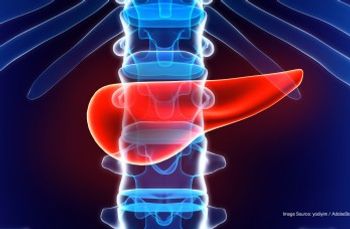
The blood test showed consistent, strong results in high-risk subgroups such as those with familial history, pancreatic cysts, or diabetes.