

Clinical researcher Lisa La discussed advancements in multiple myeloma research and where she hopes the field continues to expand.
Clinical researcher Lisa La discussed advancements in multiple myeloma research and where she hopes the field continues to expand.
The breast medical oncologist and researcher discussed how the addition of chemotherapy to endocrine therapy showed clinical benefit in premenopausal, lymph node-positive, HR-positive, HER2-negative breast cancer.

A new rituximab biosimilar from Amgen is now FDA approved, providing more treatment options to patients with certain hematologic cancers.

The hematology and oncology fellow at the Icahn School of Medicine at Mount Sinai discussed which patient groups he believes require more attention.

Investigators suggested that these study results reveal a need to protect and monitor patients with cancer as part of the strategy to control the COVID-19 pandemic.
The FDA granted priority review to a new supplemental biologics license application for pembrolizumab (Keytruda) in combination with chemotherapy for the first-line treatment of patients with locally advanced unresectable or metastatic esophageal and gastroesophageal junction cancer.
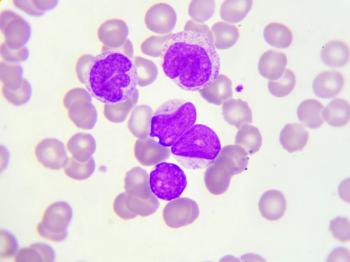
Pollyea discussed the rationale behind a study of venetoclax and azacitidine for patients with acute myeloid leukemia with IDH mutations
The FDA approved margetuximab-cmkb (Margenza) in combination with chemotherapy for the treatment of adult patients with metastatic HER2-positive breast cancer who have received 2 or more prior anti-HER2 regimens, at least 1 of which was for metastatic disease.
The ongoing GO29365 study of combination regimens containing polatuzumab vedotin (Polivy) for patients with relapsed or refractory diffuse large B-cell lymphoma added an additional 106 patients to confirm preliminary findings of safety and efficacy.
At the 2020 SUO Meeting, Vikram M. Narayan, MD, spoke about the preliminary finds of his work with nadofaragene firadenovec.

This study demonstrated that the concurrent use of this new artificial intelligence tool alongside mammography improved the diagnostic performance of radiologists in the detection of breast cancer without prolonging their workflow.
The clinical researcher discussed areas of multiple myeloma which she believes deserve further assessment.

The pivotal phase 3 KEYNOTE-775/Study 309 trial evaluating the investigational use of pembrolizumab (Keytruda) plus lenvatinib (Lenvima) met its dual primary end points of overall and progression-free survival in patients with advanced endometrial cancer.

Research presented at the 2020 SABCS found providers planned to use neoadjuvant endocrine therapy for as little as possible until surgery was available for patients with estrogen receptor positive breast cancer.

This study revealed that reliability, or patient interpretation of telemedicine as a substitute for in-person visits, of the platform was of the greatest concern to all patients.
The agent was designed as an orphan drug for the treatment of pancreatic cancer, acute myeloid leukemia, myelodysplastic syndrome, peripheral T-cell lymphoma, Burkitt’s lymphoma, and soft tissue sarcoma.

Payne and colleagues indicated that a significant number of adolescent and young adult women are still not being given the information they desire regarding fertility preservation and therefore are not making fully informed treatment decisions.
Declan Murphy discusses the motivation behind the proPSMA study and the emerging history of PSMA PET/CT to challenge conventional imaging at the 2020 SUO Meeting.
Patients with aggressive lymphomas had a sharp increase in quality of life from time of diagnosis until 1 year later.
Data presented at SUO indicated that MK-6482 demonstrated durable efficacy in patients with Von Hippel-Lindau disease-associated clear cell renal cell carcinoma, pancreatic lesions, and hemangioblastomas by targeting the underlying pathophysiology of the disease.
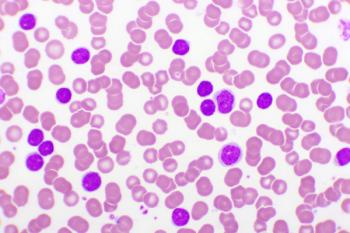
The allogeneic off-the-shelf CD22-directed T-cell product, UCART22, showed early signs of activity and no evidence of unexpected toxicities for adult patients with relapsed/refractory CD22-positive B-cell acute lymphoblastic leukemia.
A recent study found a difference in preference when it came to the administration of rituximab in patients with blood cancer.
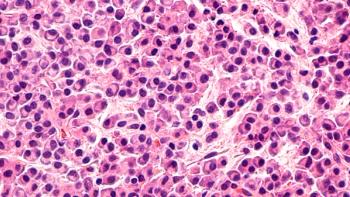
The hematology and oncology fellow at the Icahn School of Medicine at Mount Sinai highlighted multiple myeloma treatments that he believes have shown promise over the past year.
The GP2/GM-CSF combination demonstrated a 100% disease-free survival at 5 years for patients with HER2/neu 3–positive disease who received adjuvant trastuzumab.

For women with heavily pretreated, postmenopausal advanced or metastatic estrogen receptor (ER)–positive breast cancer, amcenestrant prompted antitumor activity.

The American Lung Association’s annual “State of Lung Cancer” (SOLC) report tracked the toll of lung cancer at national and state levels, identifying both promising improvements for the overall population and significant health disparities for racial and ethnic minorities.

The agency authorized use of the first coronavirus disease 2019 vaccine to prevent the disease caused by severe acute respiratory syndrome coronavirus 2 in individuals 16 years of age and older.
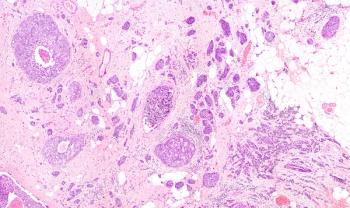
Neoadjuvant atezolizumab added to nab-paclitaxel followed by doxorubicin plus cyclophosphamide improved pathologic complete responses compared with placebo plus chemotherapy in patients with early triple-negative breast cancer without adding additional treatment burden.
Sacituzumab govitecan (Trodelvy) induced clinical benefit over physician’s choice of therapy in patients with metastatic triple-negative breast cancer, irrespective of Trop-2 expression, though greater efficacy was observed in those who had a medium or high Trop-2 score.

Frontline pembrolizumab (Keytruda) plus chemotherapy for patients with advanced triple-negative breast cancer showed efficacy across key subgroups, including patients with PD-L1 expression by combined positive score.