
A study of the combination of radiation therapy and immune checkpoint inhibitors for the treatment of advanced lung cancer found a modest risk of side effects.
A study of the combination of radiation therapy and immune checkpoint inhibitors for the treatment of advanced lung cancer found a modest risk of side effects.

This video highlights some of the latest developments guiding precision medicine for lung cancer in clinical practice.
No difference in time to recurrence, recurrence-free survival, or overall survival were noted for patients with rectal cancer who underwent one of three different preoperative radiotherapy regimens.
Elderly patients with glioblastoma had longer survival when temozolomide was added to short-course radiotherapy compared with undergoing short-course radiotherapy alone.

This video examines updated data from a phase II trial that compared a single dose of high-intensity SBRT with a standard three-dose schedule as treatment for patients with non-small-cell lung cancer.

This video covers the treatment approach for patients with androgen receptor–indifferent prostate cancer.
Thromboprophylaxis with oral apixaban was similar to subcutaneous enoxaparin with regard to safety outcomes in women undergoing surgery for suspected gynecologic malignancies.
Treating women with stage IVB cervical cancer with whole pelvic radiation along with standard chemotherapy improved survival over chemotherapy alone in a retrospective study.
Completing a course of preoperative radiotherapy prior to undergoing surgical resection for rectal cancer was associated with improved survival compared with patients who had an incomplete course of radiotherapy.
Breast surgeons can and should provide genetic counseling to their patients because the need outstrips the availability of genetic counselors.
What class of agents negatively affects responses in patients with metastatic renal cell carcinoma treated with immune checkpoint inhibitors? Which gender is significantly more likely to undergo radical cystectomy for bladder cancer? Test your knowledge on genitourinary cancers in our latest quiz.

In this interview we discuss the approach to treating cancer in lesbian, gay, bisexual, transgender, and queer (LGBTQ) patients.
A cost-effectiveness analysis found that 9 weeks of trastuzumab therapy is better than the more standard 12 months in patients with HER2-positive breast cancer, without loss of clinical efficacy.
Establishing a multidisciplinary oral chemotherapy clinic in a community hospital is feasible and could help reduce emergency department visits, recognize adverse events earlier, and improve staff and patient satisfaction.
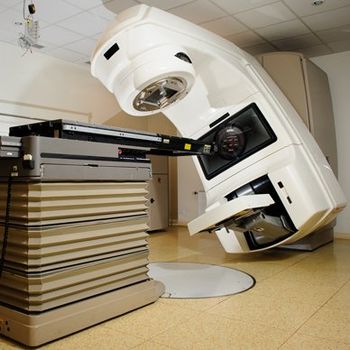
A study found that several disease- and treatment-specific factors are associated with an increased risk of near misses or safety incidents in patients undergoing radiation therapy.

A substantial portion of emergency department visits by patients undergoing cancer treatment may be preventable, and those potentially preventable visits account for a high percentage of the emergency department visit costs.
The use of a customized clinical pathways program that helps manage complexity and guide decisions resulted in a sharp decrease in costs per patient in an analysis of stage IV non–small-cell lung cancer.
In black patients with breast cancer, what type of treatment attenuated aggressive recurrent rates? What percentage of women with early-stage invasive breast cancer report at least one severe/very severe toxicity? Test your knowledge in our latest quiz.

The FDA has approved telotristat ethyl (Xermelo) tablets for the treatment of patients with carcinoid syndrome diarrhea that has not responded to somatostatin analogs alone.

This video examines a phase II study that compared atezolizumab with or without bevacizumab vs sunitinib in untreated patients with metastatic renal cell carcinoma.

A review of the rules of the road for doctors, because everyone remembers their first license.

This video examines the idea of using clinical features (age, tumor size) to reduce treatment burden in patients with HER2-positive breast cancer.

This video examines chemotherapy options for HER2-positive breast cancer in the adjuvant setting, and what evidence there is for alternatives to an anthracycline backbone.
Do you know which sarcoma subtypes benefit from trabectedin? How many estimated cases of soft-tissue sarcoma are expected to occur this year? Test your knowledge on sarcoma in our latest quiz.
Long-term data from the phase III BC2001 trial confirmed that adding chemotherapy to radiation therapy improves locoregional control and reduces the rate of salvage cystectomy in patients with muscle-invasive bladder cancer.
Men with painful bone metastases from prostate cancer may be able to achieve clinically meaningful improvements in pain and quality of life as early as 10 days after undergoing radiotherapy.
Patients participating in cancer clinical trials were willing and able to report symptomatic adverse events and reported more events than investigators did.
Many non-elderly cancer survivors may change their use of prescription drugs, such as skipping doses or requesting cheaper medications, for financial reasons.