
The clinical researcher spoke about what she hopes will occur in multiple myeloma research over the next 5 years.

Your AI-Trained Oncology Knowledge Connection!
The clinical researcher spoke about what she hopes will occur in multiple myeloma research over the next 5 years.

The study found that favorable outcomes after treatment with lapatinib (Tykerb) were demonstrated by early declines in circulating tumor cell counts (CTCs) in patients with metastatic breast cancer who initially had HER2-negative primary tumors but positive HER2 CTCs.
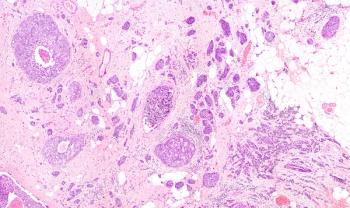
Fewer deaths and improved cumulative incidence of central nervous system recurrences were shown at 8 years of follow-up with adjuvant neratinib (Nerlynx) compared with placebo in patients with early-stage HER2-positive breast cancer following trastuzumab (Herceptin)-based therapy.

Combination treatment with alpelisib (Piqray) and letrozole (Femara) sustained efficacy and did not result in any new safety signals in patients with PIK3CA-mutant HR-positive, HER2-negative advanced breast cancer who received prior treatment with the combination of a CDK4/6 inhibitor and fulvestrant (Faslodex).

Wolf discusses the potential for emerging next-generation CAR T-cell treatment and the future of treating patients with multiple myeloma.

Women who survive breast cancer may have more difficulty in becoming pregnant when compared to the general population, and have a risk of preterm labor, but most deliver healthy babies and experience no detrimental effects on their long-term survival.

The combination of oral paclitaxel and encequidar has the potential to be an effective treatment for patients with radiation-associated breast angiosarcoma.

Adhering to a diabetes risk reduction diet improved survival for women with stage 1 to 3 breast cancer compared to women who did not follow this specific diet.
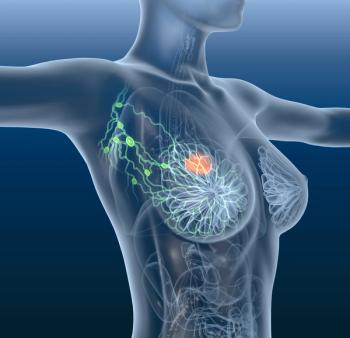
Final data from a phase 2 trial suggested that the administration of trilaciclib before chemotherapy comprised of gemcitabine and carboplatin resulted in a significant improvement in overall survival in previously treated patients with metastatic triple-negative breast cancer.
Data from the APHINITY trial suggested that patients with early breast cancer with a HER2 single-activated pathway determined by molecular subtyping using BluePrint assay demonstrated a trend for greater benefit with adjuvant pertuzumab (Perjeta) therapy.
Treatment with the combination of oral paclitaxel and encequidar was found to be associated with greater efficacy in patients with metastatic breast cancer, as well as lower rates of chemotherapy-induced peripheral neuropathy, compared to intravenous paclitaxel.

Declan Murphy talked about the future of PSMA theranostics to target metastatic castration-resistant prostate cancer.

The hematology and oncology fellow at the Icahn School of Medicine at Mount Sinai discussed exciting treatment options for patients with multiple myeloma that are being presented at ASH this year.

Behavioral interventions were found to help young breast cancer survivors in reducing their depressive symptoms.

Impressive signals of efficacy, durable responses, overall survival rates, and a tolerable safety profile were all found for fam-trastuzumab deruxtecan-nxki to treat patients with HER2-positive metastatic breast cancer.
Narayan discusses what he thinks the future of nadofaragene firadenovec and bladder cancer are at this year’s SUO Meeting.
Ribociclib plus endocrine therapy continued to show a significant overall survival improvement, while delaying subsequent chemotherapy for patients with HR+/HER2-negative breast cancer.
An analysis of tamoxifen versus anastrozole showed no significant difference in terms of disease recurrence in postmenopausal women with locally excised ductal carcinoma in situ; however, the findings may highlight the understanding of associated toxicities.

The expert from Cedars-Sinai Cancer spoke about the continued integration of immunotherapy-based combination regimens, and the importance of utilizing the multidisciplinary care team to mitigate any possible toxicities that may arise.

PreciseDx, an artificial intelligence–digital breast cancer risk discrimination platform, was able to classify patients with Oncotype Dx low-risk recurrence scores with high accuracy using only hematoxylin and eosin stain images and limited clinical data.
The clinical researcher spoke about the research that she is most excited to review at ASH this year.

After breast-conserving surgery and adjuvant endocrine therapy, whole breast irradiation can be omitted from the treatment journey of low-risk, older patients with pT1-2 tumors (≥3 cm) who are on local control at 10 years.
Research from a pilot trial presented at the 2020 American Society of Hematology (ASH) Annual Meeting found above average complete response and disease-free survival rates for patients with DLBCL.

A retrospective exploratory analysis found that intrinsic tumor subtype was associated with prognosis in patients with hormone receptor–positive, HER2-negative advanced breast cancer who received the CDK4/6 inhibitor ribociclib.
Treatment with oral paclitaxel, compared with the intravenous formulation, in combination with encequidar led to an estimated 26.5% reduction in the risk of death in patients with metastatic breast cancer, according to updated phase 3 findings of the KX-ORAX-001 trial.
A poster presented at the 2020 San Antonio Breast Cancer Symposium found a trend towards less frequent care refusal when a safety net hospital introduced nurse breast navigators.

Study results suggested that while chemotherapy-induced nausea/vomiting (CINV) can be treated, there is potential for it to return, especially for patients for whom CINV treatment did not work the first time around.
Research presented at the 2020 San Antonio Breast Cancer Symposium highlighted the need for reliable information to address the educational and psychosocial needs of patients with newly diagnosed metastatic breast cancer.

The study assessed the impact of a rurally focused telemedicine program on patient outcomes in the urologic oncology outpatient clinic at the University of Washington Medical Center.
Chemotherapy plus endocrine therapy improved 5-year invasive disease-free and overall survival in premenopausal women with HR–positive, HER2-negative, lymph node–positive breast cancer and a recurrence score between 0 and 25.