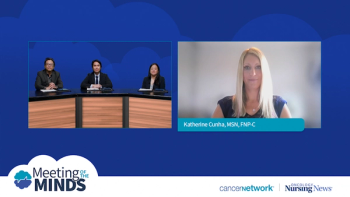
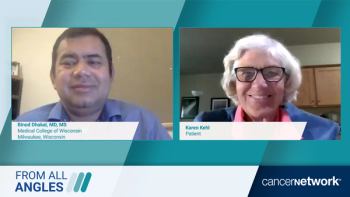
Panelists discuss how comprehensive supportive care strategies for GPRC5D bispecifics like talquetamab involve managing unique toxicities including taste and smell changes, skin and nail effects, and gastrointestinal issues, with one patient emphasizing her philosophy of addressing adverse effects as they arise rather than anticipating them, while highlighting the importance of continued research funding for innovative treatments that have extended her survival beyond initial prognosis.

![A third of patients had a response [to lifileucel], and of the patients who have a response, half of them were alive at the 4-year follow-up.](https://cdn.sanity.io/images/0vv8moc6/cancernetwork/6b7c9a3270c71a70749ba86000cfc78a29d74309-2988x1702.png?w=350&fit=crop&auto=format)


![We have the current CAR [T-cell therapies], which target CD19; however, we need others.](https://cdn.sanity.io/images/0vv8moc6/cancernetwork/6d5ddb2c2098f525a65b378ece6ca55a114f95fc-2974x1660.png?w=350&fit=crop&auto=format)
![“Every patient [with multiple myeloma] should be offered CAR T before they’re offered a bispecific, with some rare exceptions,” said Barry Paul, MD.](https://cdn.sanity.io/images/0vv8moc6/cancernetwork/70a5f0fed7009863fe30cf0740cf32014ebaf5be-2974x1660.png?w=350&fit=crop&auto=format)