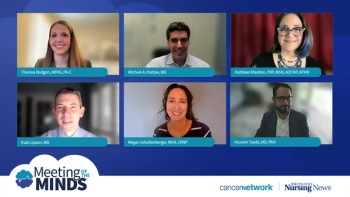
Panelists discuss how patients typically respond well to chimeric antigen receptor (CAR) T-cell therapy with manageable adverse effects (AEs), including expected cytokine release syndrome (CRS) presenting as fever, whereas rare neurotoxicity is closely monitored through frequent cognitive testing and treated with steroids and late immune system effects like urinary tract infections (UTIs), respiratory infections, and shingles occur in the first 6 months post treatment but resolve with appropriate medications and prophylactic treatments, with outcomes improving significantly when CAR T is used earlier in treatment lines rather than after patients have exhausted all other options.
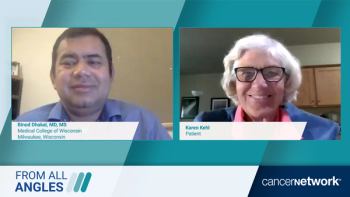





![A third of patients had a response [to lifileucel], and of the patients who have a response, half of them were alive at the 4-year follow-up.](https://cdn.sanity.io/images/0vv8moc6/cancernetwork/6b7c9a3270c71a70749ba86000cfc78a29d74309-2988x1702.png?w=350&fit=crop&auto=format)
![We have the current CAR [T-cell therapies], which target CD19; however, we need others.](https://cdn.sanity.io/images/0vv8moc6/cancernetwork/6d5ddb2c2098f525a65b378ece6ca55a114f95fc-2974x1660.png?w=350&fit=crop&auto=format)
![“Every patient [with multiple myeloma] should be offered CAR T before they’re offered a bispecific, with some rare exceptions,” said Barry Paul, MD.](https://cdn.sanity.io/images/0vv8moc6/cancernetwork/70a5f0fed7009863fe30cf0740cf32014ebaf5be-2974x1660.png?w=350&fit=crop&auto=format)