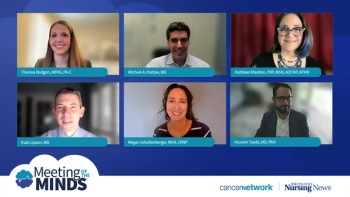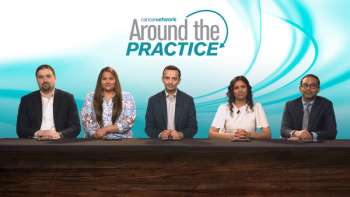
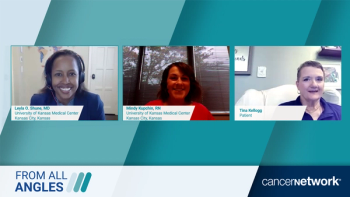
Panelists discuss how shared clinical decision-making in chimeric antigen receptor (CAR) T-cell therapy involves seamless coordination between physicians and nurse coordinators who streamline the referral process for patients after first-line therapy failure, with coordinators managing logistics like condensing multiple appointments, arranging travel and lodging benefits through CAR T companies for out-of-state patients, providing clear communication in “nurse talk” rather than medical jargon, and emphasizing that the referral process is straightforward—encouraging oncologists not to wait but to send patients immediately after 1 line of therapy so the team can handle insurance approval and T-cell collection while patients return home during the 4- to 8-week manufacturing period.
![A third of patients had a response [to lifileucel], and of the patients who have a response, half of them were alive at the 4-year follow-up.](https://cdn.sanity.io/images/0vv8moc6/cancernetwork/6b7c9a3270c71a70749ba86000cfc78a29d74309-2988x1702.png?w=350&fit=crop&auto=format)
![We have the current CAR [T-cell therapies], which target CD19; however, we need others.](https://cdn.sanity.io/images/0vv8moc6/cancernetwork/6d5ddb2c2098f525a65b378ece6ca55a114f95fc-2974x1660.png?w=350&fit=crop&auto=format)
![“Every patient [with multiple myeloma] should be offered CAR T before they’re offered a bispecific, with some rare exceptions,” said Barry Paul, MD.](https://cdn.sanity.io/images/0vv8moc6/cancernetwork/70a5f0fed7009863fe30cf0740cf32014ebaf5be-2974x1660.png?w=350&fit=crop&auto=format)