
Opinion|Videos|November 19, 2026
Clinical Scenario: CELMoD Selection After CAR T-Cell and Bispecific Antibody Therapy in Multiple Myeloma
Author(s)Joseph Mikhael, MD, Scott Goldsmith, MD
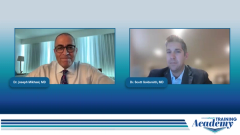
In this segment, Dr. Joseph Mikhael and Dr. Scott Goldsmith discuss a clinical scenario involving a 68-year-old patient with multiple myeloma who has received all three major drug classes, CAR T-cell therapy with a response lasting approximately one year, and subsequent BCMA-targeted bispecific antibody therapy, followed by disease progression.
Advertisement
Episodes in this series
In this segment, Dr. Joseph Mikhael and Dr. Scott Goldsmith discuss a clinical scenario involving a 68-year-old patient with multiple myeloma who has received all three major drug classes, CAR T-cell therapy with a response lasting approximately one year, and subsequent BCMA-targeted bispecific antibody therapy, followed by disease progression. Dr. Goldsmith considers whether T-cell dysfunction or exhaustion may have contributed to resistance to both T-cell-redirecting therapies, while acknowledging that this mechanism has not been clinically established. He discusses the rationale for considering treatments with direct antimyeloma activity that may also support T-cell fitness, potentially preserving options for future immune-based therapies. Potential approaches include mezigdomide-containing regimens, such as combinations with carfilzomib and dexamethasone, and investigational CELMoD strategies being evaluated in patients previously treated with CAR T-cell and bispecific antibody therapies. The discussion highlights the importance of sequencing treatments strategically in multiple myeloma and the need for continued clinical evidence to clarify how CELMoDs may influence T-cell function and subsequent treatment options.
Advertisement
Related to this article
Amir T. Fathi, MD, outlines what menin inhibitors must show for frontline approval and how to manage differentiation syndrome.

Safusidenib showed durable responses in IDH1-mutant glioma, and ongoing trials will test the agent in oligodendroglioma, after vorasidenib, and as maintenance.
Ajai Chari, MD, discussed sequencing CAR T and bispecifics, fixed-duration therapy, emerging targets, and academic partnership in multiple myeloma.
At the 2026 Chemotherapy Foundation Symposium, Ajai Chari, MD, explained how disease pace and BCMA sequencing guide choosing CAR T or bispecifics.

In the phase 1/2 TRANSCEND CLL 004 trial, liso-cel plus ibrutinib produced a 45% CR/CRi rate in a heavily pretreated relapsed/refractory CLL/SLL population.

The FDA has assigned a target action date of June 28, 2027, for selinexor plus ruxolitinib as a therapeutic regimen for patients with myelofibrosis.

In the phase 2 TRAP trial, the median PFS after SBRT was 3.0 months with detectable ctDNA vs 7.8 months without it in oligoprogressive CRPC.
In the pivotal phase 3 REGAL trial, galinpepimut-S was generally well tolerated among patients with acute myeloid leukemia.
Advertisement
Advertisement
Trending on CancerNetwork
1
Why CAR T May Belong Before Bispecifics in Multiple Myeloma
2
How Should CAR T and Bispecifics Be Sequenced in Multiple Myeloma?
3
CELMoDs vs T-Cell-Redirecting Therapies at First Relapse in Relapsed/Refractory Multiple Myeloma
4
SNO 2026 Shows Lasting Responses, Ongoing Research for Safusidenib
5